
Last updated: 22 November 2026. By the GTI Group editorial team, Genex Tech Industries LLP (Food Tech Projects), Kolkata, India.
Direct answer: Egg white powder turns yellow or brown mainly because the small amount of free glucose in liquid egg white reacts with egg proteins in the Maillard reaction during drying and storage. Removing that glucose before spray drying, by yeast or bacterial fermentation or by a glucose oxidase–catalase enzyme system, keeps the powder lighter and more functional.
Key takeaways
- Desugaring (glucose removal) is a standard pre-drying step for egg white powder; whole egg and yolk powders are handled differently.
- A classic review concluded that desugared egg powders show better functional properties than untreated powders.
- Enzyme treatment needs oxygen and catalase; fermentation needs strict time, temperature and hygiene control.
- Desugaring must be integrated with pasteurisation and spray drying, not added as an afterthought.
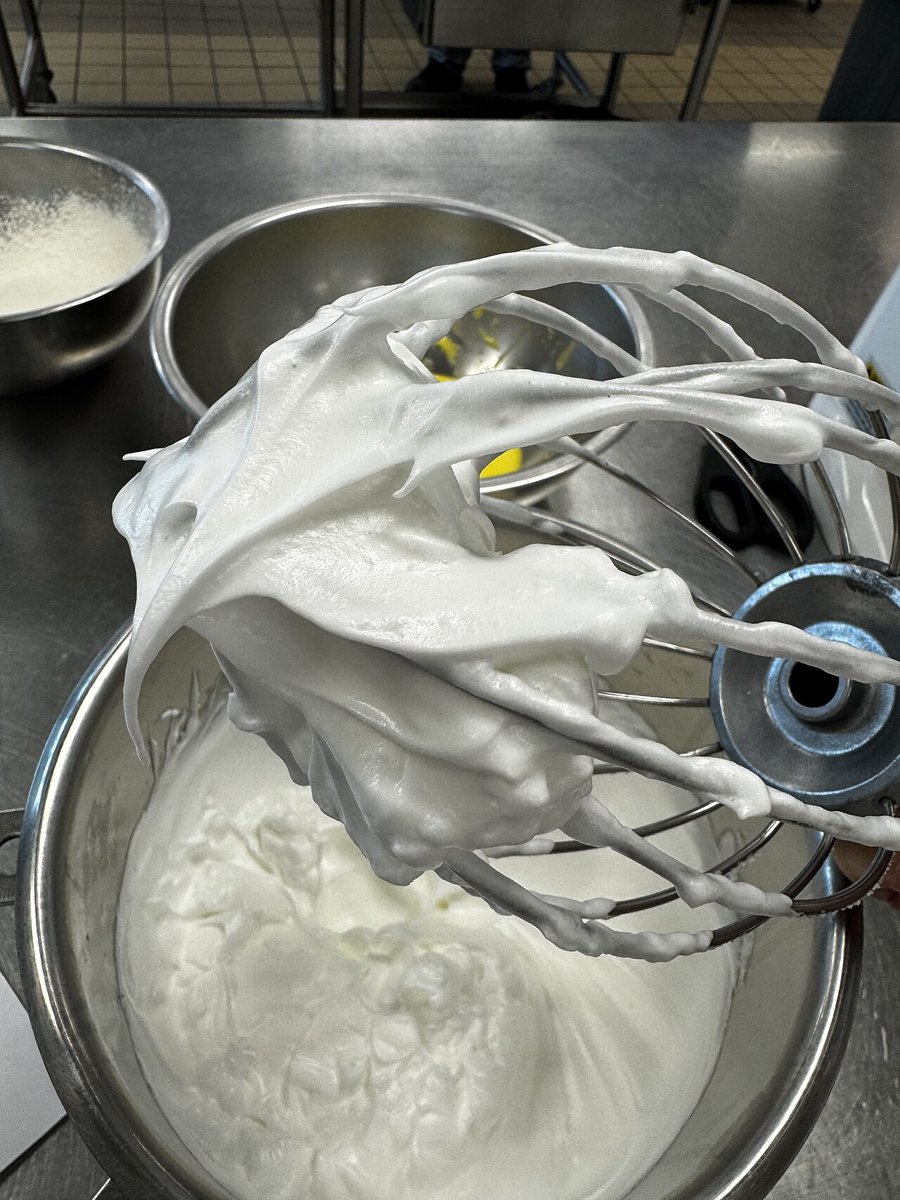
Why does undesugared egg white powder brown?
Liquid egg white contains a little free glucose. Glucose is a reducing sugar, and when water is removed and the powder is warmed, it reacts with amino groups on proteins. This Maillard reaction causes yellow-brown colour, off-flavours and loss of solubility and whipping performance.
Spray drying concentrates the reactants and exposes them to heat. Browning then continues slowly during storage, especially in warm warehouses. A review of glucose removal from eggs (Kilara and Shahani, 1973) concluded that glucose harms the storage stability of dried eggs and changes their physicochemical and functional properties. That is why desugaring is normally done before drying.
What are the main desugaring methods?
There are two families: microbial fermentation and enzymatic oxidation. Both convert glucose into something that no longer takes part in browning.
| Method | How it works | Strengths | Watch-outs |
|---|---|---|---|
| Yeast fermentation | Food-grade yeast consumes glucose | Simple, low ingredient cost | Time and temperature control; flavour; hygiene |
| Bacterial fermentation | Selected bacteria consume glucose | Traditional route for albumen | Needs tight control to avoid unwanted growth; must be followed by pasteurisation |
| Glucose oxidase–catalase | Enzyme oxidises glucose to gluconic acid; catalase breaks down hydrogen peroxide | Controlled, does not depend on live cultures | Needs oxygen supply; enzyme cost; residual peroxide control |
| pH reduction (not true desugaring) | Lower pH slows the Maillard reaction | Simple acid addition | Glucose remains; changes functionality; check product specification |
A laboratory study on white and whole egg powders compared glucose oxidase–catalase treatment (30 °C for 6 hours) with citric acid pH adjustment. Both lightened powder colour compared with untreated controls, but they affected foaming capacity differently. That is a reminder to test functional properties, not colour alone.
Where does desugaring sit in an egg powder line?
Desugaring sits between egg breaking and pasteurisation of the liquid white, before spray drying. The exact order of filtration, desugaring, pasteurisation and holding depends on the chosen method and on local regulations.
- Egg receiving, washing and breaking: separate whites and yolks hygienically.
- Filtration and chilling: remove shell fragments and chalazae; hold cold.
- Desugaring: fermentation or enzyme treatment in temperature-controlled tanks.
- Pasteurisation: to the validated time-temperature for egg white.
- Spray drying: atomising the liquid into hot air and collecting the powder.
- Optional fluid bed finishing: for final moisture control and cooling.
- Sieving and packing: in moisture-barrier packaging.
GTI’s egg processing plant page lists desugaring (glucose removal) before spray drying, alongside blending, pH adjustment and enzyme treatment. The egg powder dehydration machine page lists breaking and separation, filtration and pasteurisation units, homogenisation, spray drying, powder collection, packaging and CIP. It gives spray dryer inlet temperatures of 150–220 °C, outlet temperatures of 70–90 °C and a final powder moisture of 2–4%, all customisable.
How do you know desugaring is complete?
Measure residual glucose in the treated liquid before it goes to pasteurisation and drying. Set an internal target with your buyer, then confirm it with storage tests on the finished powder.
- In-process: glucose test strips or enzymatic glucose assays on samples from the desugaring tank.
- Finished powder: colour measurement (for example, L* lightness) at release.
- Accelerated storage: hold samples warm and track colour and solubility over weeks.
- Functional tests: whipping volume, foam stability and gel strength, as specified by the buyer.
- Microbiology: because fermentation adds microorganisms, confirm the pasteurisation step and finished-product counts.
What does desugaring change in plant design?
It adds tank time, temperature control and cleaning load. A plant that ignores this at design stage often ends up with a bottleneck between breaking and drying.
| Design item | Why it matters |
|---|---|
| Tank volume | Treatment takes hours, so holding volume must cover the batch time at full egg throughput |
| Temperature control | Jacketed tanks with heating and chilling keep the reaction on target and limit unwanted growth |
| Air or oxygen supply | Needed for the glucose oxidase reaction |
| CIP coverage | Egg proteins foul surfaces; tanks and lines must be in the cleaning circuit |
| Utilities | Extra chilled water, hot water and compressed air. See our guide to egg powder plant utilities |
| Dryer settings | Gentle drying limits protein damage. See preventing protein denaturation in egg drying |
Why does egg white powder still brown after desugaring?
Usually because glucose removal was incomplete, the powder was dried or stored too warm, or the moisture is too high. Work through the causes in order.
| Symptom | Likely cause | What to check |
|---|---|---|
| Powder yellow at release | Residual glucose; desugaring stopped early | Glucose test at end of treatment; tank temperature and time records |
| Colour fine at release, browns in storage | High powder moisture or warm storage | Final moisture, packaging barrier, warehouse temperature |
| Slow enzyme reaction | Too little oxygen; enzyme dose or temperature off target | Aeration, dissolved oxygen, dosing and temperature control |
| Off-odour after fermentation | Fermentation ran too long or unwanted organisms grew | Starter culture, hygiene, time and temperature limits |
| Poor whipping despite good colour | Protein damage in pasteurisation or drying; pH effects | Pasteurisation profile, dryer outlet temperature, pH |
| Scorched particles | Deposits in the dryer chamber or high inlet temperature | Chamber cleaning, atomiser condition, inlet setting |
How should you choose between enzyme and fermentation desugaring?
Choose on product specification, labour skills and hygiene capability rather than ingredient cost alone. Run a pilot on your own egg white before fixing the plant design.
- List the buyer requirements: colour, whipping, gel strength, microbiology and any label restrictions.
- Check the team: fermentation needs tighter microbiological discipline; enzymes need dosing and oxygen control.
- Size the tanks: hold time at full throughput decides tank volume for either route.
- Pilot both routes if possible and compare finished-powder colour, function and storage stability.
- Confirm regulations: enzyme preparations and processing aids must be permitted in the destination market.
Frequently asked questions
Do whole egg and yolk powders need desugaring?
Desugaring is most associated with egg white powder, where colour and whipping matter most. Whole egg and yolk powders may also be desugared for some applications. Confirm with your product specification and customer.
Is enzyme desugaring better than fermentation?
Neither is universally better. Enzymes give tighter control and avoid live cultures, but add cost and need oxygen and catalase. Fermentation is cheaper but needs strict hygiene and timing. Many buyers choose after pilot trials.
Can I fix browning by drying at a lower temperature?
Lower drying temperature helps protect proteins, but glucose remains and browning can continue in storage. Desugaring addresses the cause.
What should I send GTI for a proposal?
Eggs per hour or litres of liquid egg, product mix (white, yolk, whole), desugaring preference, target powder moisture and functionality, utilities, location and timeline.
Talk to GTI about your project
Planning an egg white or whole egg powder line? Contact Genex Tech Industries LLP (GTI Group) to discuss your material, production capacity, product specifications and utility requirements. To help us respond usefully, please share your product or raw material, required capacity, feed and final moisture (state wet or dry basis), finished-product specification, available utilities, installation location and project timeline.
Email: mktg@foodtechprojects.com
Call or WhatsApp: +91-93300-77417 | +91-87774-75596 (WhatsApp)
Website: https://foodtechprojects.com/
For Industrial Dryers: https://gtidryers.com
This article gives general technical guidance. Figures marked as illustrative are examples, not plant guarantees. Equipment selection and performance for your material should be confirmed through trials and engineering assessment.
References
- Kilara A., Shahani K.M. (1973). Removal of glucose from eggs: a review. J Milk Food Technol 36(10):509-514. doi.org
- Farmani J., Mohammadkhani A. Inhibition of non-enzymatic browning of white and whole egg powder by enzymatic treatment and pH change: effect on physicochemical and sensory properties. Journal of Food Research (University of Tabriz). foodresearch.tabrizu.ac.ir