When the term “food compactor” is mentioned, the image that often comes to mind is a sleek, under-the-counter kitchen appliance designed to reduce household trash. However, in the world of industrial food processing, this term represents a powerful and entirely different class of machinery. This guide will help you understand the critical difference between residential trash compactors and the high-performance industrial food compactors used to optimize efficiency, reduce costs, and create value in modern food production.
The Food Compactor: Debunking a Common Misconception
The primary source of confusion surrounding food compactors stems from the vast difference between consumer appliances and industrial equipment. While they share a name, their purpose, design, and application are worlds apart. It is essential for plant managers, engineers, and business owners to distinguish between the two to make informed decisions for their processing lines.
Myth: A Food Compactor is Just for Household Trash
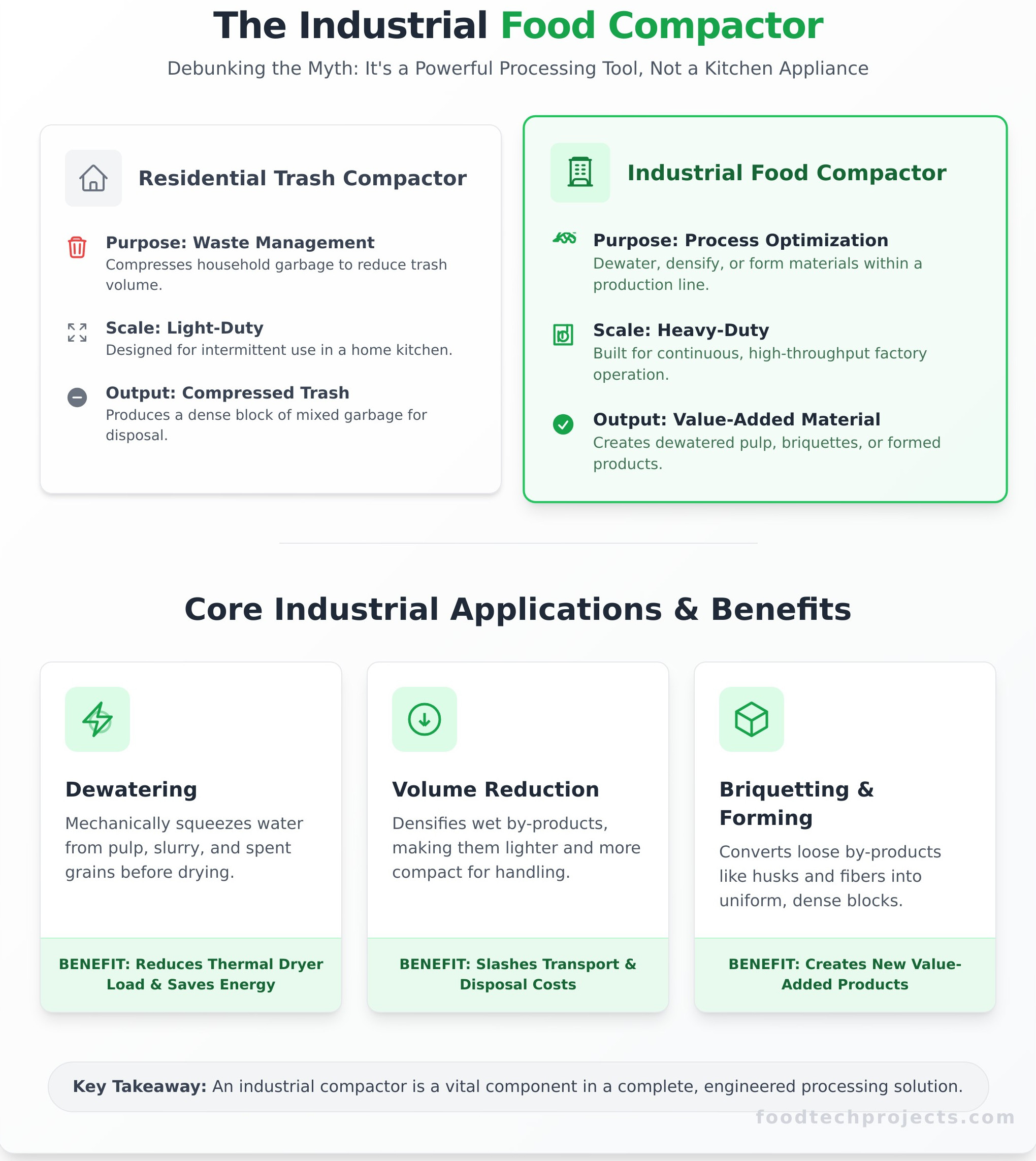
Residential trash compactors, like those made by common appliance brands such as KitchenAid, are designed for a single purpose: to compress household waste, including food scraps, packaging, and other garbage, into a smaller volume. This reduces the frequency of taking out the trash. These units are built for light-duty, intermittent use within a home kitchen environment and are not engineered for the rigors or specific requirements of commercial food manufacturing.
Reality: Industrial Compactors as a Processing Tool
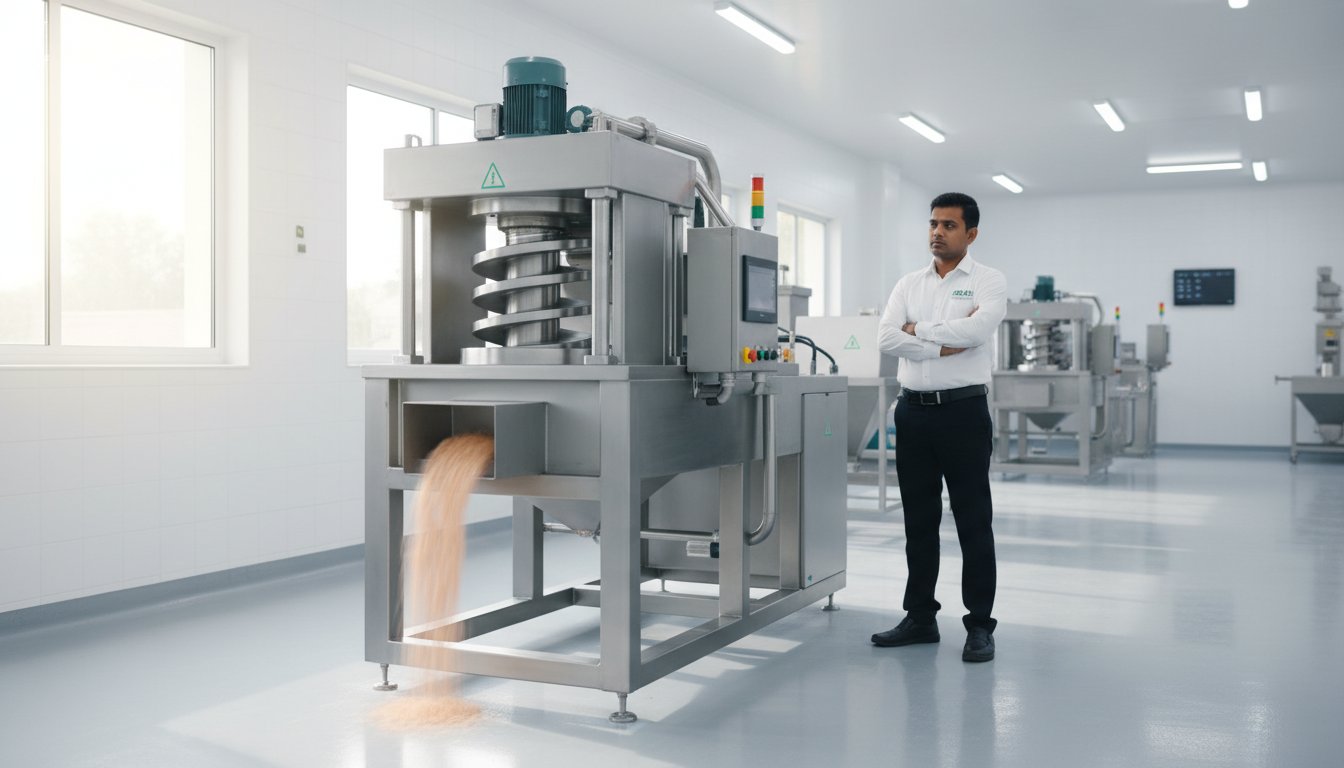
In contrast, an industrial food compactor is a piece of heavy-duty processing machinery, such as a screw press or a hydraulic press. Its primary goals are not waste management but process optimization. These machines are integrated directly into production lines to dewater materials, reduce the volume of by-products for efficient handling, or form materials into specific shapes. They are built from robust, food-grade materials like stainless steel to withstand continuous operation and ensure product safety.
Core Applications of Industrial Food Compaction Technology
Industrial compactors serve several critical functions within a factory setting, each contributing to greater efficiency and profitability. By mechanically pressing food materials, these machines can fundamentally improve downstream processes and turn low-value by-products into manageable or even valuable assets.
Dewatering of Pulp, Slurry, and Spent Grains
One of the most valuable applications of industrial compactors is dewatering. By applying immense mechanical pressure, a screw press can effectively squeeze a significant percentage of water content from wet materials like fruit pulp, vegetable slurry, or spent grains from a brewing process. The primary benefit is a drastic reduction in the thermal load on industrial dryers. A pre-compacted material requires far less time and energy to dehydrate, leading to substantial energy savings and increased throughput for the entire drying line.
Volume Reduction of By-Products for Efficient Handling
Food processing plants generate large volumes of wet by-products, such as vegetable peels, filter cakes, and processing residues. Transporting and disposing of this heavy, wet material is expensive and logistically challenging. An industrial compactor can reduce the volume and weight of these streams by removing excess water, creating a drier, denser, and more manageable material that significantly lowers transportation and disposal costs.
Briquetting and Forming for Value-Added Products
Beyond dewatering and volume reduction, compaction technology is used to form materials into dense blocks, cakes, or briquettes. This application is particularly useful for converting agricultural by-products, such as seed husks or fiber, into uniform animal feed blocks. This process effectively turns a potential waste stream into a consistent, saleable, and value-added product, opening up new revenue opportunities for the processing facility.
Selecting Industrial Compaction Equipment for Your Plant
Choosing the right industrial compactor requires a technical understanding of your material and processing goals. For procurement managers and engineers, it is crucial to look beyond the machine itself and consider how it integrates into the complete production system to ensure optimal performance.
Key Technical Parameters: Pressure, Throughput, and Construction
When specifying an industrial compactor, several parameters are critical. The pressure rating, often measured in tonnage or PSI, determines the machine’s ability to dewater or form the material effectively. Throughput, measured in kilograms per hour, must align with the capacity of your entire processing line to avoid bottlenecks. Finally, construction must be of food-grade stainless steel to meet hygiene standards and resist corrosion from acidic or saline products.
Screw Press vs. Hydraulic Press Technology
The two dominant technologies are screw presses and hydraulic presses. A screw press utilizes a continuously rotating auger to press material, making it ideal for continuous-flow operations where consistent throughput is key. A hydraulic press, by contrast, operates in batches, applying pressure with a ram. It is often better suited for materials that require extremely high pressure or specific forming in a mold.
Integration within a Turnkey Food Processing Solution
An industrial compactor is rarely a standalone machine; it is a vital component within a larger, engineered system. Its performance is directly linked to the equipment that feeds it, such as grinders and conveyors, and the machinery that follows it, like industrial dryers and packaging lines. Achieving maximum efficiency requires a holistic design approach where every component works in harmony. To ensure seamless operation and optimal results, it is best to work with experts who can design an entire system tailored to your specific product and goals. Consult our engineers to design your complete processing line.
Frequently Asked Questions
Is an industrial food compactor the same as a garbage compactor?
No. An industrial food compactor is a piece of heavy-duty processing equipment used for dewatering and forming materials within a production line. A garbage compactor is a light-duty home appliance for reducing the volume of household trash.
What types of food by-products can be processed with a compactor?
A wide range of materials can be processed, including fruit and vegetable pulp, spent grains, seed husks, fish meal, and other organic slurries and by-products generated during food manufacturing.
How does food compaction improve the efficiency of industrial dryers?
By mechanically removing a large portion of the water content before the drying stage, a compactor significantly reduces the amount of energy and time required for thermal dehydration. This boosts the overall capacity and lowers the operational cost of the drying line.
What is the difference between a compactor and a pellet mill?
While both use pressure, a compactor (like a screw press) is primarily used for dewatering or creating large, dense blocks (briquettes). A pellet mill is specifically designed to extrude material through a die to create small, uniform pellets.
Can a food compactor handle very wet or oily materials?
Yes, industrial compactors, particularly screw presses, are specifically designed to separate liquids from solids. They are highly effective at handling materials with high moisture or oil content, efficiently pressing out the liquid fraction.
Understanding the true role of industrial food compactors is the first step toward optimizing your processing facility. By moving beyond the kitchen appliance myth and embracing this technology as a powerful tool for dewatering, volume reduction, and value creation, you can unlock significant improvements in efficiency and profitability. If you are ready to explore how a fully integrated system can transform your operations, we invite you to leverage our expertise. Request a consultation for your turnkey food processing project.