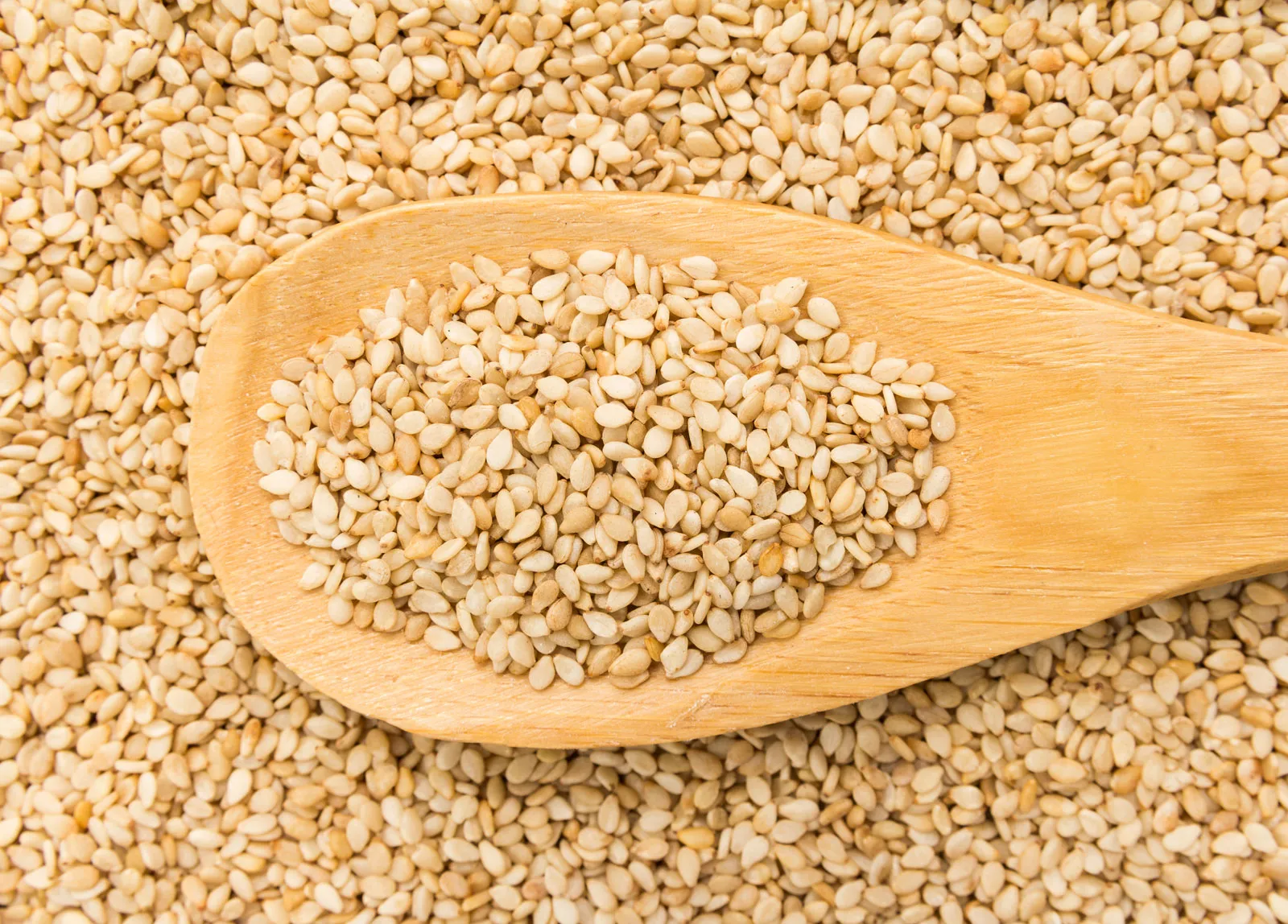
The global demand for sesame products is currently experiencing unprecedented growth. Consequently, whether manufacturing premium hulled sesame for the bakery sector, nutrient-dense sesame flour for health supplements, or rich cold-pressed oil for culinary markets, processors find that the margin between a standard product and an export-grade asset ultimately comes down to post-harvest engineering.
To achieve a 99%+ hulling efficiency, optimize oil extraction yields, and prolong shelf-life, factory operators rely heavily on integrated processing solutions. Fortunately, a collaborative engineering ecosystem like Food Tech Projects (by Genex Tech Industries LLP) and specialized drying manufacturers like GTI Dryers represents this gold standard perfectly.
The unified mechanics of a comprehensive sesame oil processing plant, paired with a technical analysis of industrial drying configurations—including continuous band dryers, combination hybrid systems, and mesh belt technologies—reveals exactly how these systems maximize yield and efficiency.
Part 1: The Anatomy of a Turnkey Sesame Oil & Product Processing Plant


Transforming raw, field-harvested sesame seeds into clear oil or stable commercial seeds requires a highly calculated sequence of mechanical steps. Therefore, each individual stage is carefully structured to eliminate waste, safeguard food hygiene, and preserve volatile oils. For a complete look at these setups, explore the Sesame Processing Plant & Machinery portal.
1. Intake, Cleaning, and Destoning
Initially, raw sesame arrives with field contaminants, dust, organic debris, and stones. For this reason, the intake line immediately routes the raw materials through heavy-duty vibratory screeners and high-efficiency destoners. Because sesame seeds are small and lightweight, air-aspirated separation systems lift away light husks while allowing stones to fall, thereby successfully isolating the true seed weight.
2. Multi-Stage Magnetic Separation
Subsequently, to ensure strict regulatory compliance and safeguard downstream pulverizers and expellers, high-intensity inline magnetic separators catch any ferritic and non-ferritic microscopic metal fragments from harvesting or transport.
3. Grading & Size Classification
Next, uniformity drives automated processing. Specifically, multi-deck gyratory sifters sort sesame seeds by dimensions. This step guarantees that downstream peeling machines apply uniform pressure and friction across the batch, thus eliminating seed breakage.
4. Soaking, Conditioning, and Advanced Hulling
Meanwhile, the outer skin (hull) contains oxalic acid and bitter compounds, which operators must remove for premium tahini or clear oils. First, workers condition seeds with water to soften the hull.
[Image: Industrial Sesame Peeling & Hulling Machinery Line Layout]
Afterward, the seeds enter the automated Sesame Peeling & Hulling Machine. Remarkably, advanced systems from Genex achieve a 99%+ peeling rate by maximizing friction without breaking the core kernel. In addition, this mechanical step utilizes minimal water and low-energy mechanics to lower operational costs.
5. Industrial Washing & Dehydration
Once the machinery successfully hulls the seeds, a washing system immediately rinses away the separated skins. However, the wet, pure kernels still carry critical surface and absorbed moisture that thermal equipment must systematically extract. This brings us to the core thermal stage, namely industrial drying.
6. Oil Extraction (Mechanical & Cold Pressing)
Following dehydration, the plant directs dried, pristine sesame kernels to the oil mill division. Depending on the target market, engineers apply two distinct methods:
-
Cold Press Expellers: Mechanical pressing systems maintain low temperatures in order to secure premium, nutrient-dense, export-grade oil with full antioxidant properties intact.
-
Roasting + Mechanical Pressing: Alternatively, optional thermal roasting units enhance the traditional, deep nutty aroma required for specific Asian and Middle Eastern culinary oils before the product passes through the expeller.
7. Filtration, Clarification, and Storage
Then, crude oil from the expellers travels through high-efficiency filter presses or sparkler filters to remove micro-solid particulates. This refinement ultimately achieves a brilliant, clear, golden-hued oil ready for automated bottling.
8. Defatted Meal Processing (Sesame Flour)
Finally, the compressed structural byproduct left after oil extraction—the oil cake—retains highly valued proteins. Therefore, the production line routes this byproduct through cake-breaking pulverizers and controlled fine grinders, producing uniform, sieved sesame flour for the nutraceutical and food ingredient sectors.
Part 2: Technical Deep-Dive: Industrial Sesame Drying Systems
Moisture control acts as the critical pivot point in sesame processing. For instance, wet seeds (above 12% moisture) breed mold and rancidity, which quickly destroys oil quality. Conversely, over-drying seeds or exposing them to uncontrolled high temperatures oxidizes the volatile oils, thereby creating a scorched flavor profile.
As a result, industrial configurations depend on three foundational drying technologies to achieve uniform moisture reduction.
I. Continuous Industrial Band Dryers
An industrial band dryer (or conveyor belt dryer) handles high-throughput, continuous 24/7 manufacturing operations. Thus, it remains the premier choice for large-scale dehydration. Full specifications are available on the Industrial Band Dryer equipment page.
[Wet Infeed] --> [Zone 1: Gentle Heat] --> [Zone 2: Evaporation] --> [Zone 3: Cooling] --> [Dry Output]
-
Working Principle: Distributing wet sesame seeds evenly across a moving conveyor belt or metal apron serves as the initial step in this system. Operating inside an insulated tunnel, the conveyor continuously moves the product layer forward. Heated air generated via steam, thermic fluids, or electricity then forces its way vertically through the seed bed to evaporate surface moisture.
-
Thermal Zones: Furthermore, multi-zone engineering allows independent adjustment of temperature and air velocity in each chamber stage. For example, initial zones apply gentle heat to remove superficial water without causing thermal shock. Secondary zones then drive out internal seed moisture.
-
Key Benefits: * Above all, the process delivers exceptionally uniform product quality with no localized overheating.
-
In addition, continuous processing layouts completely eliminate batch bottlenecks.
-
Consequently, automated PLC/SCADA configurations significantly reduce manual labor requirements.
-
II. Combination Dryers (Tray + Fluidized Bed Hybrids)
For highly precise operations where color retention, oil preservation, and absolute final moisture equalization matter most, hybrid systems offer distinct advantages. For schematic breakdowns, visit the Combination Fluid Bed Dryer engineering brief.
[Image: Multi-Stage Hybrid Combination Fluid Bed Dryer System Diagram]
-
Working Principle: In essence, the combination fluid bed dryer bridges two distinct processing physics within a single machine. Mechanical stages first guide the wet sesame through a closed tray circuit to extract surface moisture. Once the seeds become semi-dry and free-flowing, gravity drops them into a secondary fluidized bed. Air forced at high velocity upward through specialized steel grids then suspends the kernels, causing them to dry mid-air.
-
Process Advantages: * No Surface Hardening: Because of the initial gentle stage, the system prevents the seed’s outer layer from scorching or trapping moisture inside.
-
Fluidized Finishing: By suspending the seeds, the structural design ensures that 100% of each kernel’s surface area meets the airflow simultaneously. This complete air-to-seed contact results in highly uniform, predictable final moisture levels.
-
Surely, adjusting to this hybrid flow shortens processing times compared to old-school batch tray units.
-
III. Mesh Belt Dryers
Similarly, as a variation of conveyor drying, the specialized mesh belt dryer balances performance for delicate agricultural materials and fine seeds like sesame. Technical layouts are accessible via the dedicated Mesh Belt Dryer page.
-
Working Principle: Woven stainless steel mesh screens carry the sesame seeds through the length of this system. While moving, hot filtered air cycles continuously up and down through the tiny perforations in the belt to target every seed.
-
Process Advantages:
-
Maximum Heat and Mass Transfer: Specifically, the high open-area ratio of the mesh maximizes air penetration, keeping thermal efficiency high and fuel consumption low.
-
Gentle Handling: At the same time, the seeds remain completely static relative to the belt surface as they move through the drying zones, eliminating friction damage and kernel breakage.
-
Therefore, investing in these mesh configurations guarantees highly sanitary, food-grade construction with easy-to-clean chambers that meet FDA and CE compliance standards.
-
Part 3: Engineering Standards & Modern Automation
Modern industrial sesame production requires reliable equipment and precision controls. For this reason, quality systems balance structural integrity with digital operational oversight.
Material Selection & Sanitary Design
Because sesame seeds produce oils that can turn rancid on reactive metals, manufacturers build high-tier processing lines entirely from Food-Grade SS304 or SS316 Stainless Steel. Furthermore, all structural components feature sanitary, smooth geometries that allow for easy washdowns, preventing microbial accumulation and dust hazards.
Smart Automation (PLC/SCADA Integration)
Modern processing plants function as interconnected, smart ecosystems. For example, integrated control platforms monitor the entire line in real time:
[Sensor Array] ---> [PLC / SCADA Interface] ---> [Automated Adjustments]
- Moisture Level    - Real-time Monitoring        - Adjust Belt Speed
- Temperature       - Performance Tracking        - Regulate Airflow
- Flow Rates        - Predictive Diagnostics      - Modulate Heat Input
Through a central HMI touch panel, operators can modulate parameters instantly. For instance, if the incoming seed batch displays higher initial moisture, the system automatically lowers the conveyor belt speed. Next, the automated program ramps up the airflow volume to maintain an export-ready, uniform output. Ultimately, absolute process stability is achieved through these smart cycles, lowering energy usage, preventing human error, and ensuring high yields.
Conclusion
In conclusion, setting up an industrial sesame extraction and drying plant is a long-term infrastructure investment. Maximizing value requires looking past standalone components toward completely integrated process lines. By choosing a turnkey plant layout—where raw cleaning, precision peeling, advanced multi-zone drying technology, and optimized cold pressing work together seamlessly—processors protect their margins, eliminate downtime, and consistently deliver world-class sesame products to the global market.
🌐 Connect with Our Engineering Division
For custom design blueprints, flow dynamic processing parameters, or comprehensive project estimation requests, reach out directly via our official corporate communication channels:
-
📧 Technical Inquiries: mktg@foodtechprojects.com
-
📞 Phone / WhatsApp Support: +91 93300 77417
-
🌐 Engineering Portals: www.foodtechprojects.com | www.gtidryers.com