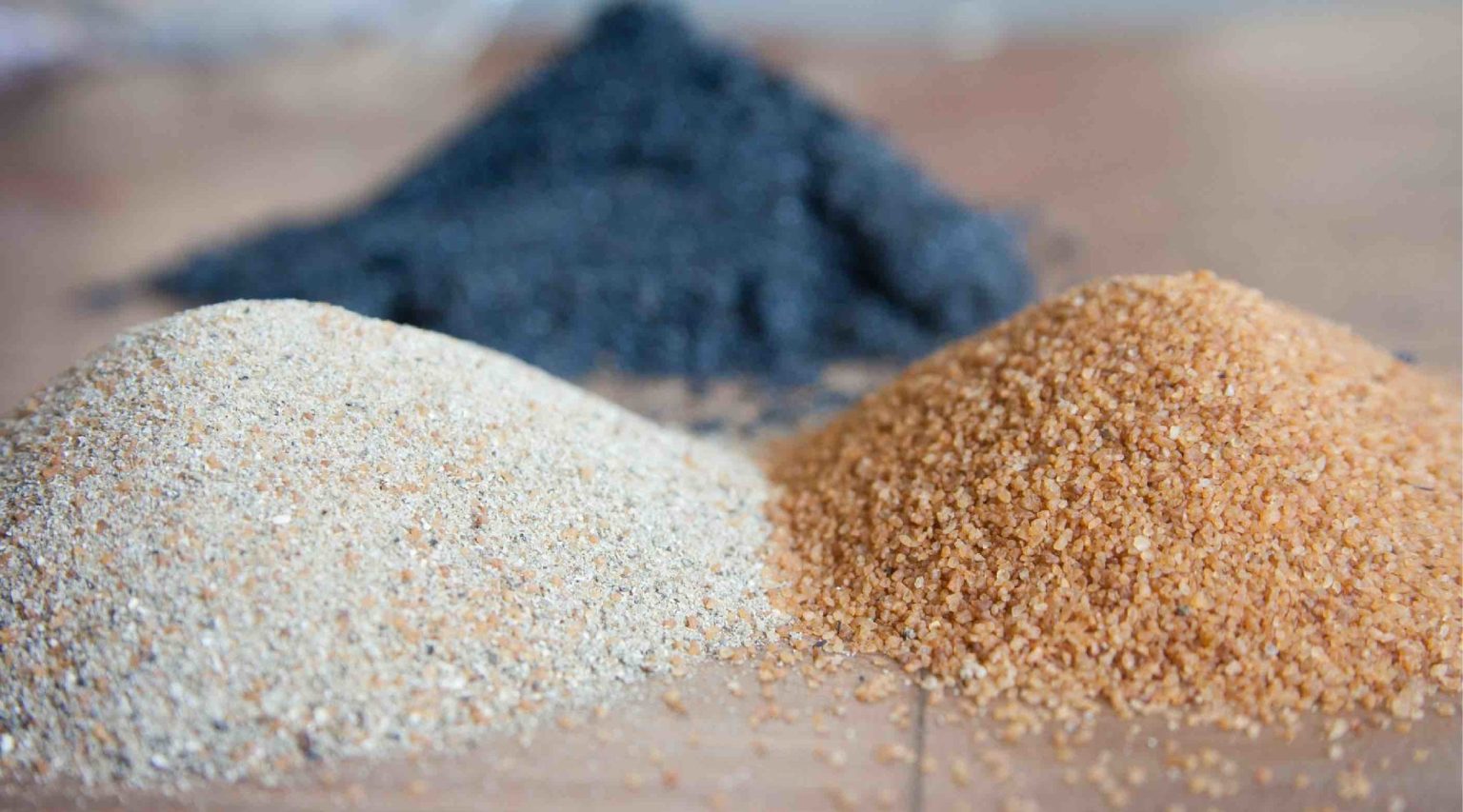
In modern industrial mineral processing, thermal dehydration is undeniably the most critical step for ensuring top-tier product quality, lowering operational costs, and maximizing throughput. Therefore, whether you handle wet gypsum filter cakes from flue-gas desulfurization (FGD), high-purity silica sand for glassmaking, or ground calcium carbonate (GCC) for fine industrial coatings, managing uncontained surface moisture is essential. Consequently, uncontrolled water levels lead to severe material caking, clog fine milling circuits, increase freight costs, and ultimately ruin downstream chemical consistency.
As a direct result, leading mineral processors around the world partner with Genex Tech Industries LLP (GTI Dryers) to implement custom-engineered, heavy-duty drying solutions. Moreover, by utilizing advanced thermal engineering, GTI Dryers designs and manufactures robust dehydration plants specifically optimized for bulk minerals. In addition, these systems deliver optimal fuel efficiency while maintaining maximum material recovery.
1. Material-Specific Thermal Processing Challenges
First of all, no two minerals behave identically inside a thermal chamber. Therefore, choosing the correct drying technology requires matching the mechanical system with the thermodynamic characteristics of each mineral. Furthermore, evaluating these physical properties upfront guarantees long-term processing efficiency. In contrast, ignoring material nuances can lead to severe operational bottlenecks later on.
Natural & Synthetic Gypsum Processing
Raw natural gypsum and synthetic FGD gypsum usually enter processing lines holding 10% to 25% free surface moisture. Because this material is inherently cohesive, it clings stubbornly to conveyor systems and processing walls. Meanwhile, the primary engineering objective is to drive off surface water rapidly without triggering unintended calcination. Consequently, precise thermal control prevents raw dihydrate gypsum from prematurely converting into plaster of paris before it reaches the calcining phase. Additionally, maintaining stable inlet temperatures ensures smooth material passage throughout the operation. As a consequence, plant managers achieve consistent quality output without unexpected thermal breakdown.
Silica Sand Drying (Glass, Foundry & M-Sand)
Mined, washed, and classified silica sand typically arrives with 3% to 12% moisture. However, to meet strict industrial specifications for glass manufacturing, foundry casting, and dry-mix mortars, final moisture levels must consistently drop below 0.5% to 1.0%. In addition, because silica sand is highly abrasive, the drying system must process massive hourly tonnages continuously without damaging internal components or altering the natural grain size structure. Furthermore, optimized air velocity within the drum prevents unnecessary particle degradation while maximizing thermal transfer. Thus, operational wear is significantly reduced over time.
Calcium Carbonate Processing (GCC & Fine Slurries)
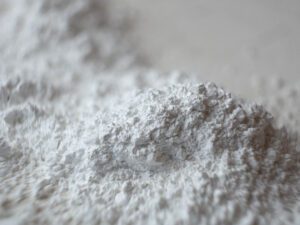
Ground Calcium Carbonate (GCC) is widely processed into ultra-fine powders for paints, plastics, paper, and specialty fillers. However, wet milling creates dense slurries and cakes that retain water tenaciously. For this reason, the drying system must deliver extremely fast evaporation while maintaining particle fineness and bright material whiteness. Likewise, accurate moisture management preserves the chemical purity required for premium industrial grades, thereby ensuring consistent quality across every batch. On top of that, controlled thermal treatment eliminates particle agglomeration.
2. Advanced Mineral Drying Technologies by GTI
To handle varying moisture ranges, particle sizes, and production capacities, GTI offers several specialized drying technologies designed for industrial performance. Subsequently, selecting the appropriate setup ensures minimal downtime, enhanced system longevity, and maximum energy savings. On the whole, matching the machine to the material yields long-term economic gains.
+---------------------+-------------------------------------------------------+---------------------------------------+
| Dryer Type          | Best Suited Material & Form                           | Operational Highlights                |
+---------------------+-------------------------------------------------------+---------------------------------------+
| Rotary Drum Dryer   | Bulk Silica Sand, Natural Gypsum, Aggregates          | Heavy-duty, continuous 24/7 TPD output|
| Combination Dryer   | Fine Minerals, Granular Mixtures, Hybrid Applications | Staged moisture control & finishing   |
| Flash Dryer         | Fine Mineral Powders, Gypsum Cake, Calcium Carbonate   | Rapid 1–3 second instant drying       |
+---------------------+-------------------------------------------------------+---------------------------------------+
High-Capacity Rotary Drum Dryers
For continuous, large-scale processing of bulk aggregates and coarse minerals, a heavy-duty Rotary Drum Dryer remains the ideal industry standard. Wet material enters the rotating cylindrical drum, where internal lifting flights continuously shower the product through a hot airflow stream. As a result, heat transfer remains exceptionally uniform throughout the cycle. Moreover, because these systems handle varying bulk densities seamlessly, they are perfect for high-capacity silica sand and natural gypsum operations. Indeed, their rugged mechanical design supports continuous industrial usage under demanding conditions; thus, operational reliability is maintained year after year. For instance, plants operating around the clock benefit from reduced mechanical stress.
Multi-Stage Combination Drying Systems
When processing sensitive mineral fractions or complex compounds that demand multi-zone thermal treatment, integrating a custom Combination Dryer provides maximum operational flexibility. Because this system combines staged thermal drying with specialized airflow finishes, operators gain complete control over internal moisture gradient, bulk density, and product texture. Thus, it offers a highly efficient bridge between bulk drying and precision finishing. Additionally, custom thermal profiling prevents structural hardening of sensitive particles during processing; hence, downstream yields remain consistently high. In comparison to single-pass units, this setup offers unmatched versatility.
Rapid Pneumatic Flash Drying Systems
For fine powders, slurries, and cake bypass materials, utilizing an ultra-fast Flash Dryer guarantees instantaneous moisture removal. In fact, wet feed is dispersed into a high-velocity hot air stream where surface water evaporates in just 1 to 3 seconds. Consequently, because retention time is brief, sensitive minerals are protected against thermal degradation while achieving a fine, free-flowing powder output. Furthermore, the compact footprint makes it an excellent choice for modern processing facilities, while simultaneously reducing building footprint requirements. Above all, it maximizes energy utilization per square meter.
3. Integrated Turnkey Mineral Plant Engineering
Furthermore, GTI Dryers provides complete, fully integrated mineral processing plants rather than isolated equipment components. Therefore, clients benefit from seamless integration across all stages of production, which ultimately streamlines plant installation and commissioning. In short, a holistic engineering approach eliminates installation conflicts.
-
Material Feeding & Handling: First, heavy-duty hoppers, apron feeders, and reinforced belt conveyors are engineered specifically for highly abrasive materials.
-
Crushing & Milling Circuits: Next, integrated jaw crushers, hammer mills, and pulverizers ensure exact size reduction prior to thermal treatment.
-
Thermal Drying Systems: Following this, tailored rotary drum, flash, or combination drying chambers feature automated burner management to optimize fuel consumption.
-
Dust Collection & Pollution Control: In the meantime, cyclone separators, pulse-jet baghouses, and wet scrubbers work together to meet global environmental compliance standards without compromising airflow efficiency.
-
PLC & SCADA Automation: Finally, centralized command consoles enable real-time tracking of moisture levels, exhaust temperatures, fuel consumption, and throughput, thereby empowering operators with total process oversight.
Conclusion
In conclusion, optimizing your mineral drying line directly reduces operating expenses, prevents downstream equipment wear, and guarantees reliable product quality. Because each mineral presents unique thermal and mechanical demands, selecting an experienced engineering partner is essential for long-term operational success. Furthermore, with flexible configurations ranging from high-capacity rotary drums to high-speed pneumatic flash dryers, Genex Tech Industries LLP delivers complete turnkey systems tailored precisely to your production goals. Ultimately, investing in engineered dehydration technology safeguards your operational bottom line while accelerating overall payback.
Get Technical Consultation & Pricing
Are you planning to install a new mineral drying line or upgrade your existing gypsum, silica sand, or calcium carbonate facility? Contact our process engineering team today to request a customized plant design, capacity calculation, and formal technical quotation:
-
📧 Technical Inquiries: mktg@foodtechprojects.com
-
📞 Phone / WhatsApp Support: +91 93300 77417
-
🌐 Engineering Portals: Food Tech Projects | GTI Dryers