In modern chemical manufacturing, the transition from a wet cake, slurry, or paste to a perfectly dry, free-flowing solid is undeniably the most critical step in the entire production chain. Indeed, for high-value materials like active catalysts, pure fine chemicals, industrial pigments, polymers, and synthetic resins, thermal dehydration is never a simple utility operation. Instead, it is a highly sensitive process that completely determines the physical, optical, structural, and chemical properties of the final product.
Because an off-the-shelf system can easily ruin sensitive batches, working with specialized industrial drying machinery manufacturers is absolutely essential. Consequently, this guide explores how advanced thermal engineering successfully addresses the unique vulnerabilities of these five high-stakes product sectors.
1. Why Specialized Thermal Engineering Matters
To begin with, every chemical class exhibits a unique set of physical boundaries and thermodynamic sensitivities. Therefore, when evaluating custom system designs, manufacturers focus heavily on these material vulnerabilities:
Catalysts: Preserving Surface Area

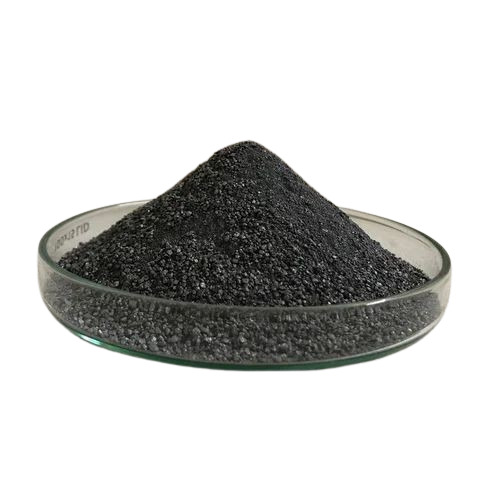
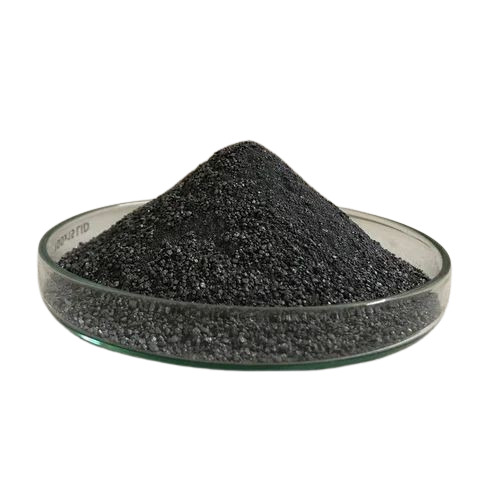
Industrial catalysts rely entirely on active site density and complex internal pore structures. However, standard continuous drying processes often expose materials to high physical impacts or sudden thermal shocks. Consequently, these forces break down fragile extrudates or collapse internal pore networks. To prevent this, advanced manufacturers design custom systems to provide ultra-low mechanical stress and uniform heat distribution, thereby keeping the active framework completely intact.
-
For instance, for more information on catalyst-specific engineering, check out the GTI Catalyst Drying Systems Guide.*
Fine Chemicals: Isolation and Trace Moisture
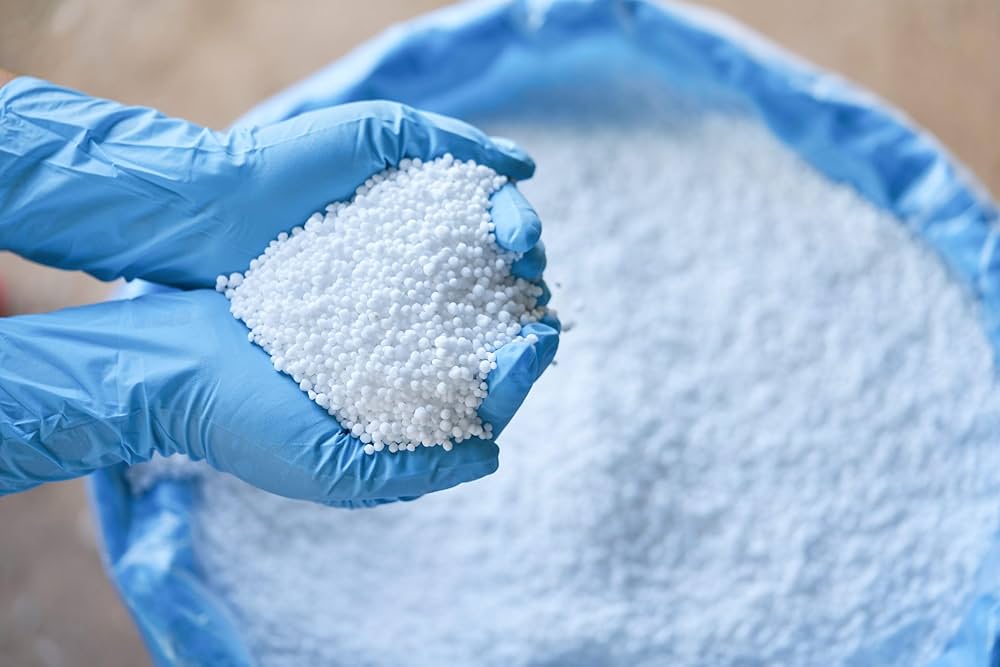
Similarly, fine chemical manufacturing requires absolute purity, minimal cross-contamination, and strict solvent recovery. Furthermore, many fine chemical intermediates are highly heat-sensitive or reactive when exposed to atmospheric oxygen. For this reason, manufacturers implement specialized layouts that lower boiling points to dry materials gently while isolating pure compounds from environmental contamination.
-
Accordingly, discover high-purity systems by visiting the GTI Fine Chemical Drying Technical Page.*
Pigments: Agglomeration and Optical Strength

On the other hand, post-filtration pigments often contain 20% to 60% moisture in the form of a sticky filter cake. If dried incorrectly, individual particles fuse into dense, hard agglomerates. As a result, this clustering permanently reduces the material’s color strength and downstream dispersibility. To solve this, specialized manufacturers deploy systems that rapidly atomize or mechanically break apart cakes, creating a uniform, fine powder structure.
-
Subsequently, review pigment processing profiles on the GTI Pigment Dryers Operational Page.*
Polymers & Resins: Volatiles and Heat Sensitivity
In contrast, raw polymers and synthetic resins frequently arrive at the drying stage containing residual surface moisture along with flammable volatile organic compounds (VOCs). If exposed to excessive temperatures, these resins can melt, discolor, or degrade structurally. Furthermore, the presence of vaporized solvents creates an intense explosion hazard. Machinery manufacturers successfully prevent these risks by building heavy-duty, ATEX-compliant continuous systems. Specifically, they utilize low-temperature profiles and sealed, closed-loop gas recirculation loops.
-
Therefore, learn about resin and polymer stability parameters at the GTI Polymer Drying Systems Hub and the GTI Resin Drying Systems Directory.*
2. Core Machinery Layouts Deployed by Manufacturers
To reliably handle these delicate chemical profiles, industrial drying machinery manufacturers design and build five core equipment layouts:
Combination Fluid Bed Dryers
-
Primary Action: Direct convective heat transfer with auxiliary agitation or vibration.
-
Best Suited For: Free-flowing granular catalysts, polymer pellets, and crystalline intermediates.
-
The Engineering Advantage: Forcing hot gas through a perforated distributor plate lifts and suspends the material. Additionally, adding physical vibration or agitation ensures sticky or uneven particles fluidize smoothly. Ultimately, this layout eliminates localized hot spots and achieves exceptional energy efficiency.
-
Thus, review design layouts at the Combination Fluid Bed Dryer Specification Page.*
Industrial Paddle Dryers
-
Primary Action: Indirect conduction via a heated jacket and intermeshing hollow wedge paddles.
-
Best Suited For: Viscous pigment filter cakes, wet resin pastes, and chemical sludges.
-
The Engineering Advantage: The heating medium (steam or thermal oil) stays sealed inside the paddles and jacket shell, never contacting the product directly. Meanwhile, mechanical rotation continuously scrapes and renews the boundary layer, while low sweep-gas velocities eliminate dust carryover.
-
For a closer look, see full equipment mechanical details on the Industrial Paddle Dryer Engineering Overview.*
Industrial Spray Dryers
-
Primary Action: Instantaneous convective flash drying via high-speed atomization.
-
Best Suited For: Liquid catalyst slurries, polymer emulsions, and bulk pigment suspensions (like $TiO_2$).
-
The Engineering Advantage: Liquid feeds are fed through a centrifugal disk or nozzle into a large vertical tower. Subsequently, the liquid flashes into a fine mist of droplets, maximizing surface area. Evaporation happens instantly, keeping the product’s core temperature low and producing perfectly spherical particles.
-
For this reason, analyze thermal calculations via the Industrial Spray Dryer Atomization Guide.*
Rotary Drum Dryers
-
Primary Action: Direct or indirect cascading thermal processing inside a rotating shell.
-
Best Suited For: Bulk, rugged polymer compounds, minerals, and heavy chemical intermediates.
-
The Engineering Advantage: Internal lifting flights scoop and shower material through a continuous stream of hot process air. This robust, simple mechanical setup handles large capacities easily, absorbing heavy feed variations with minimal downtime.
-
In conclusion, evaluate high-volume capacity metrics on the Rotary Drum Dryer Configuration Directory.*
Vacuum Tray Dryers
-
Primary Action: Static, low-temperature indirect drying under deep vacuum conditions.
-
Best Suited For: High-value fine chemicals, heat-sensitive pharmaceutical actives, and fragile catalyst powders.
-
The Engineering Advantage: Raw materials sit undisturbed on heated shelf plates inside a heavily reinforced, air-tight chamber. Evacuating the air drops the solvent’s boiling point, allowing fast evaporation at gentle temperatures without any mechanical friction.
Technical Selection Guidelines
In short, when selecting your processing equipment, use this framework to match your raw material state to the ideal system design:
| Target Material | Physical Feed State | Critical Processing Risk | Recommended Dryer Configuration |
| Catalysts | Slurry or Extrudate | Pore collapse, structural breaking | Spray Dryer / Fluid Bed / Vacuum Tray |
| Fine Chemicals | Wet crystals, fine powder | Thermal breakdown, oxidation | Vacuum Tray / Closed-Loop Fluid Bed |
| Pigments | Wet press-cake, sticky paste | Agglomeration, loss of color depth | Indirect Paddle Dryer / Spray Dryer |
| Polymers | Damp pellets, granular flake | Melting, surface bubbling, degradation | Continuous Fluid Bed / Rotary Dryer |
| Resins | Viscous phase, solvent mass | Vapor explosions, clumping | ATEX Paddle Dryer / Sealed Vacuum |
Conclusion: Securing Quality Through Engineered Systems
In final analysis, within high-capacity chemical processing, a drying system does far more than remove liquid. Indeed, it completely preserves the exact chemical reactivity, color expression, and structural purity of your product. Therefore, investing in purpose-built machinery ensures your processing line runs efficiently, protects operators from hazardous volatile environments, and maintains strict quality standards batch after batch. Ultimately, working with an experienced machinery manufacturer helps you transform complex material bottlenecks into automated, reliable, and high-yield production lines.
Contact Us: Partner with Industrial Design Experts
Are you ready to optimize your facility’s thermal efficiency, increase processing capacity, or upgrade your safety systems for hazardous compounds? Our engineering and technical sales teams specialize in custom-engineered industrial drying machinery. Specifically, we design every layout around your exact material specifications, utility goals, and floor plan limits.
From initial material characterization and pilot testing to turnkey fabrication, automated PLC integration, and onsite field installation, we build rugged, high-uptime equipment engineered to minimize your operational overhead.
Please contact our application specialists today to review your project requirements, request a detailed quote, or set up a technical consultation:
-
📧 Technical Inquiries: mktg@foodtechprojects.com
-
📞 Phone / WhatsApp Support: +91 93300 77417
-
🌐 Engineering Portals: www.foodtechprojects.com | www.gtidryers.com