
Last updated: 23 November 2026. By the GTI Group editorial team, Genex Tech Industries LLP (Food Tech Projects), Kolkata, India.
Direct answer: Citric acid monohydrate is stable only below 36.6 °C. Above that temperature crystals lose their water of crystallisation and turn into anhydrous powder, which spoils appearance and promotes caking. So a monohydrate dryer must work with cool, dry air, typically a fluid bed dryer and cooler, and be designed around temperature and humidity, not just moisture.
Request a Quotation: Planning a citric acid or organic-acid crystal drying and cooling system? Email mktg@foodtechprojects.com or call/WhatsApp +91-93300-77417 | +91-87774-75596. Include the form (monohydrate or anhydrous), kg/h, free moisture in and out, crystal size, grade (food, pharma or technical) and location.
Key takeaways
- Monohydrate crystallises below 36.6 °C and anhydrous above it, as stated in published reviews of citric acid technology.
- Pure monohydrate contains about 8.6% water of crystallisation (18.02 ÷ 210.14), so “moisture” tests must separate free water from bound water.
- One patent specification dries and cools wet monohydrate crystals at 15-36.6 °C and below 65% relative humidity, preferring 25-35 °C and below 50%.
- Fluidised-bed dryers are described in the literature as the usual choice for the crystal drying stage.
Why does 36.6 °C matter for citric acid drying?
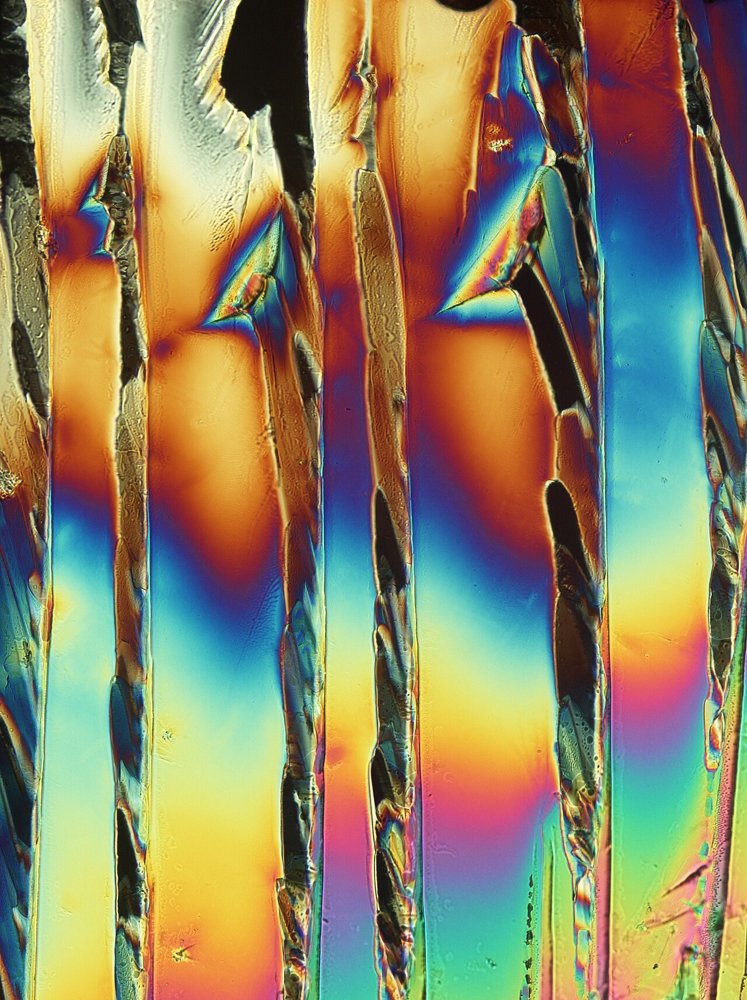
Citric acid has two crystal forms. Reviews report that the monohydrate (C6H8O7·H2O) crystallises from cold solution below 36.6 °C, and the anhydrous form from hot concentrated solution above it. The monohydrate also melts at about 70-75 °C in its own crystal water, according to a review table.
If hot air pushes the crystal surface above the transition point, the surface dehydrates and a crust of anhydrous powder forms. This causes dull crystals, uneven product and caking in storage.
What is free moisture and what is crystal water?
Free (surface) moisture sits on the outside of crystals after the centrifuge. Crystal water is part of the monohydrate structure. For pure monohydrate, crystal water is 18.02 ÷ 210.14 = 8.57% of the mass.
A simple oven loss-on-drying test at high temperature drives off both and can mislead. Agree the test method and limit with your buyer or pharmacopoeia, and use it to tell if the dryer is removing only free water.
What air conditions should a monohydrate dryer use?
A Chinese patent specification (CN102260166A) describes drying and cooling wet monohydrate crystals at 15-36.6 °C and relative humidity below 65%, with 25-35 °C and below 50% preferred. It reports brighter crystals and better anti-caking ability than hot drying. Treat this as published guidance, not a guarantee for your crystals.
Because air at 25-35 °C holds little extra water, the dryer needs more air for the same evaporation than a hot dryer. Dehumidified or conditioned air is often needed in humid climates.
How much air do I need? A worked example
Illustrative assumptions only. Check psychrometrics for your site.
- Feed: 1,000 kg/h of centrifuged wet crystals at 3% free moisture (assumed).
- Target free moisture: 0.3%. Product = 970 ÷ 0.997 = about 973 kg/h.
- Water evaporated = 1,000 − 973 = about 27 kg/h.
- Air in at 30 °C with humidity ratio 0.004 kg/kg (dehumidified); air out at 0.010 kg/kg (about 37% relative humidity at 30 °C). Moisture pick-up = 0.006 kg/kg.
- Dry air needed = 27 ÷ 0.006 = about 4,500 kg/h, roughly 3,900 m³/h.
The evaporation duty is small, but the cooling duty and airflow are not. Equipment is sized on airflow, bed area and residence time as much as on evaporation.
Which GTI dryer fits crystal drying and cooling?
GTI’s Vibratory Fluid Bed Dryer page describes batch or continuous drying of powders, granules, crystals and pellets, with PLC/SCADA control and SS304 or SS316 construction options. GTI’s organic acid, anhydride and chemical intermediate dryer page lists citric acid crystals among the materials it discusses. See also GTI’s chemical drying systems overview.
A vibratory bed is often considered where crystals are fragile. Whether a dry-and-cool configuration meets your temperature, humidity, hygiene and material-of-construction needs, and any food or pharma grade requirements, must be confirmed with GTI engineering. We do not claim certification for any industry unless GTI confirms it in writing. For caking after drying see our guides on salt caking and sugar drying and cooling in a vibratory fluid bed dryer.
What safety and quality points need confirmation?
- Citric acid is a dust: ask for a dust hazard review and dust collection design.
- Acid crystals and humid air can corrode some metals; confirm materials of construction.
- Check crystal breakage and fines at the vibration and air settings you plan.
- Define grade, pack type and storage humidity with your buyer; conditioning after drying matters for caking.
- If you make anhydrous acid instead, the drying temperature limits and humidity rules are different. State the form you make.
See the machine type in operation
GTI Group video on its channel, for the dryer type discussed above (general machine overview, not a trial on this material):
FAQ
At what temperature does citric acid monohydrate convert to anhydrous?
The transition temperature is about 36.6 °C. Below it the monohydrate is stable; above it the anhydrous form is stable.
Can I dry citric acid monohydrate in hot air?
Hot air above the transition point dehydrates the crystal surface and can cause dull, caking product. Published guidance uses cool, dry air.
What dryer is used for citric acid crystals?
Reviews and industry descriptions mention fluidised-bed dryers for crystal drying. GTI offers vibratory fluid bed dryers; suitability is confirmed per project.
How much water does monohydrate contain?
About 8.6% of its mass is water of crystallisation in the pure monohydrate.
Request a Quotation from GTI
Planning a citric acid or organic-acid crystal drying and cooling system? Contact Genex Tech Industries LLP (GTI Group) to discuss your material, production capacity, product specifications and utility requirements. To help us respond usefully, please share your product or raw material, required capacity in kg/h, feed and final moisture (state wet or dry basis), finished-product specification, available utilities, installation location and project timeline.
Email: mktg@foodtechprojects.com
Call or WhatsApp: +91-93300-77417 | +91-87774-75596 (WhatsApp)
Website: https://foodtechprojects.com/
For Industrial Dryers: https://gtidryers.com
This article gives general technical guidance. Figures marked as illustrative are examples, not plant guarantees. Equipment selection and performance for your material should be confirmed through trials and engineering assessment.
References
- Citric Acid: Properties, Microbial Production, and Applications in Industries. Molecules 29(1):22 (2023). pmc.ncbi.nlm.nih.gov
- Igliński B., Kiełkowska U., Piechota G. (2022). Proecological aspects of citric acid technology. Clean Technologies and Environmental Policy. doi.org
- CN102260166A. Method for drying citrate monohydrate crystals and obtained citrate monohydrate crystals (patent publication). patents.google.com