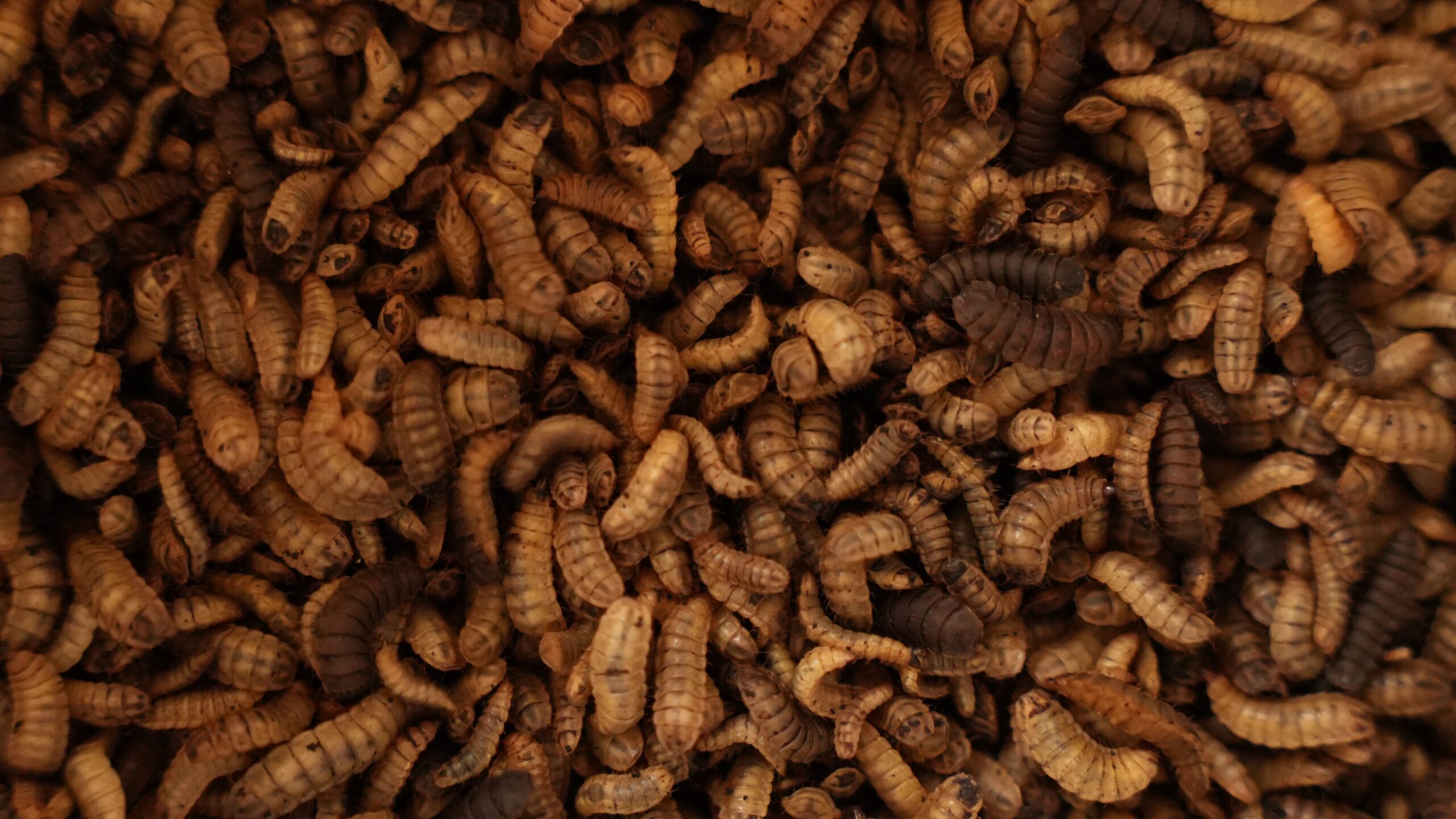
The global insect protein market is expanding rapidly. Black Soldier Fly Larvae (BSFL) lead this charge as a sustainable, high-protein alternative for animal feed, pet food, and aquaculture. Furthermore, according to data from the International Platform of Insects for Food and Feed (IPIFF), commercial insect processing is moving fast. Rearing setups are transitioning from small localized units to automated, high-capacity factories. Consequently, making this leap successfully requires a deep understanding of industrial thermal engineering.
Fresh BSFL contain approximately 60% to 70% moisture. Therefore, plant operators must reduce this moisture to stabilize the product and prevent biological spoilage. In particular, uniform dehydration to under 10% locks in crucial nutritional values and ensures an extended shelf life.
Choosing the right dehydration technology directly impacts your plant’s operational expenditures (OPEX). In addition, it dictates your throughput capacity and final product quality. For this reason, we analyze the four premier industrial drying technologies engineered for modern BSFL processing lines in this comprehensive guide.
1. Mesh Belt Dryers (Industrial Band Registry)
Continuous, High-Capacity Uniform Drying
For large-scale, continuous industrial operations, international producers consider the Mesh Belt Dryer the industry standard. This system handles massive, uninterrupted volumes of larvae. Specifically, a heavy-duty mechanical drive moves them through a series of temperature-controlled processing zones.
How It Works
First, an automated spreading system distributes fresh larvae evenly onto a moving, porous stainless steel mesh conveyor belt. Next, the belt carries the larvae through a long, insulated drying tunnel. Inside this tunnel, fans precisely circulate heated air vertically—either upward or downward—directly through the product bed.
Key Engineering Features
-
Multi-Zone Temperature Control: Modern mesh belt systems utilize independent heating zones. For example, the initial zone applies higher temperatures to quickly drive off surface moisture. Meanwhile, subsequent zones lower the heat to gently finish drying the core. This dual approach protects proteins and prevents natural lipid degradation.
-
Adjustable Bed Depth & Belt Speed: Variable frequency drives (VFDs) allow plant operators to precisely control processing variables. As a result, you can easily adjust the residence time and the thickness of the larvae layer to match incoming batches.
-
Continuous Integration: Moreover, the system aligns perfectly with automated upstream washing or blanching lines. It also connects smoothly with downstream defatting or packaging systems.
Best Used For: Large-scale commercial BSFL factories requiring continuous, automated 24/7 processing with high-tonnage daily throughputs.
2. Vibratory Fluidised Bed Dryers (VFBD)
Rapid Thermal Transfer via Product Suspension
Processing efficiency, uniform moisture distribution, and gentle handling are top priorities for premium larvae. Therefore, when these factors matter most, the Vibratory Fluidised Bed Dryer (VFBD) offers exceptional thermal dynamics.
How It Works
The VFBD operates on the principle of fluidization. Initially, an operator feeds larvae onto a perforated distribution plate. High-pressure blowers force hot air upward through the perforations from a plenum below at a specific velocity. Simultaneously, motors apply mechanical tracking vibrations to the bed structure. This combination lifts and suspends the larvae in the air stream. Thus, the solid bed of insects behaves like a boiling liquid.
Key Engineering Features
-
Maximum Surface Area Exposure: Hot air completely surrounds and suspends every individual larva. Consequently, thermal transfer occurs instantaneously and achieves high uniformity. This design eliminates the risk of localized hot spots or unevenly dried clumps.
-
Vibration-Assisted Conveying: In addition, gentle mechanical vibration helps transport the fluidized larvae smoothly along the dryer. It ensures a consistent first-in, first-out (FIFO) material flow while keeping fragile dried larvae whole.
-
Enhanced Heat Efficiency: The intimate contact between the drying gas and the larvae results in exceptionally high thermal efficiency. Accordingly, this optimizes energy use and shortens overall retention times.
Best Used For: Medium to large-scale plants seeking rapid processing times, absolute moisture uniformity, and excellent preservation of whole-larvae appearance.
3. Industrial Heat Pump Dryers
Closed-Loop, Ultra-Energy-Efficient Low-Temperature Drying
Global energy costs fluctuate and sustainability mandates continue to tighten. As a result, the Industrial Heat Pump Dryer has emerged as a groundbreaking solution. Indeed, it is ideal for eco-conscious producers looking to slash utility overheads.
How It Works
Conventional open-cycle dryers vent moisture-laden hot air into the atmosphere, which wastes significant thermal energy. In contrast, a heat pump dryer operates on a sophisticated closed-loop dehumidification cycle. It utilizes a refrigeration system to condense and strip moisture out of the air. Then, the internal system recycles the latent heat back into the drying chamber.
Key Engineering Features
-
Unmatched Energy Efficiency: The system recovers both sensible and latent heat from the exhaust air. Because of this mechanism, heat pump systems can reduce energy consumption by up to 40% to 60% compared to traditional hot air dryers.
-
Low-Temperature Dehydration: These systems excel at drying at lower, controlled temperatures, typically between 40°C and 70°C. Furthermore, as documented in recent literature on thermal insect processing dynamics, gentle heat prevents nutrient degradation. Thus, it fully preserves high-value amino acid profiles and natural color.
-
Zero Environmental Emissions: Because the air loop is fully closed, the machinery generates zero exhaust emissions. This setup makes it simple to integrate advanced carbon-filtration and odor-control systems within the factory footprint.
Best Used For: Specialized or premium-tier BSFL facilities where maximizing energy savings and preserving the absolute highest nutritional quality are primary corporate objectives.
4. Industrial Vacuum Dryers
Low-Temperature, Oxygen-Free Nutrient Preservation
Some premium, specialized product lines must prevent fat oxidation. If preserving the absolute highest concentration of sensitive nutrients is vital, the Industrial Vacuum Dryer offers unparalleled control.
How It Works
Vacuum drying encloses the BSFL inside a sealed, heavy-duty pressure chamber. Next, an industrial vacuum pump system lowers the internal atmospheric pressure. This pressure drop significantly decreases the boiling point of water, often down to 35°C or 50°C. Ultimately, this mechanism allows moisture inside the larvae to rapidly evaporate at ultra-low temperatures without exposing them to oxygen.
Key Engineering Features
-
Prevention of Lipid Oxidation: Black Soldier Fly Larvae are rich in valuable fats and fatty acids like lauric acid. Fortunately, vacuum drying removes oxygen from the chamber. This eliminates the risk of lipid oxidation and rancidity, ensuring a premium, stable oil profile.
-
Pristine Visual Appearance: Similarly, dehydrating under a vacuum prevents thermal browning and charring. The finished whole larvae maintain a beautiful, light-natural coloration. They also retain a slightly puffed, uncollapsed structure that premium pet food brands highly desire.
-
Accelerated Mass Transfer: An intense pressure differential exists between the moisture inside the larvae and the surrounding vacuum. Therefore, this forces deep-core water to migrate out rapidly. The system maintains high processing speeds despite the low-temperature profile.
Best Used For: Premium-tier producers who manufacture whole dried insects or high-grade insect meal where nutrient integrity, oil stability, and perfect color retention are vital.
Comprehensive Technical Engineering Matrix
| Performance Metric | Mesh Belt Dryer | Vibratory Fluidised Bed Dryer | Heat Pump Dryer | Vacuum Dryer |
| Operation Mode | Continuous System | Continuous / Semi-Batch | Batch Chamber / Conveyor | Batch Chamber / Dynamic |
| Throughput Scale | Very High (Multi-Ton/Day) | High to Medium Scales | Medium to Low-Medium | Low-Medium to Specialized |
| Thermal Operating Zone | High-Temp Zoned Convective | High-Velocity Fluidized | Low-Temp Dehumidifying | Ultra-Low Temp Sub-Atmospheric |
| Primary Application Profile | Mass-volume industrial lines | High-speed uniform whole insects | Energy-efficient low-carbon footprint | Ultra-premium non-oxidized high-lipid grades |
| Odor Management | External Scrubbing Required | External Scrubbing Required | Inherent (Closed Air Loop) | Inherent (Condenser Contained) |
Engineering & Compliance: The Genex Tech Standards
Genex Tech Industries LLP (GTI Dryers) builds industrial-grade processing lines for demanding conditions. Specifically, our engineers manufacture every unit under strict ISO 9001:2015 quality frameworks to meet stringent global standards:
-
Hygienic Material Architecture: We use heavy-duty Stainless Steel (SS304/SS316) construction on all product-contact surfaces. Consequently, this prevents organic acid corrosion and allows aggressive washdown cycles.
-
Global Regulatory Alignment: We engineer our machinery to fully comply with CE Standards and US FDA Equipment Design Principles. Moreover, it fits seamlessly into HACCP-compatible workflows required for animal feed production.
Conclusion: Which System is Right For You?
-
Select a Mesh Belt Dryer if your primary objective is scaling up a continuous, high-volume industrial line with heavy hourly tonnage targets.
-
Alternatively, choose a Vibratory Fluidised Bed Dryer if you require ultra-fast processing speeds, flawless moisture consistency, and want to retain the pristine physical form of the larvae.
-
On the other hand, opt for a Heat Pump Dryer if your plant layout prioritizes minimal energy overheads, green-energy compliance, and premium, low-temperature nutrient preservation.
-
Finally, opt for a Vacuum Dryer if you are targeting ultra-premium market tiers demanding absolute zero lipid oxidation, high structural retention, and flawless organic color profiles.
Get In Touch For Custom Plant Engineering
Our global engineering group can help design your setup. Therefore, contact us for detailed equipment technical parameters, custom multi-stage layouts, or to discuss integrating a comprehensive turnkey BSFL processing line for your enterprise:
-
📧 Technical Inquiries: mktg@foodtechprojects.com
-
📞 Phone / WhatsApp Support: +91 93300 77417
-
🌐 Engineering Portals: www.foodtechprojects.com | www.gtidryers.com