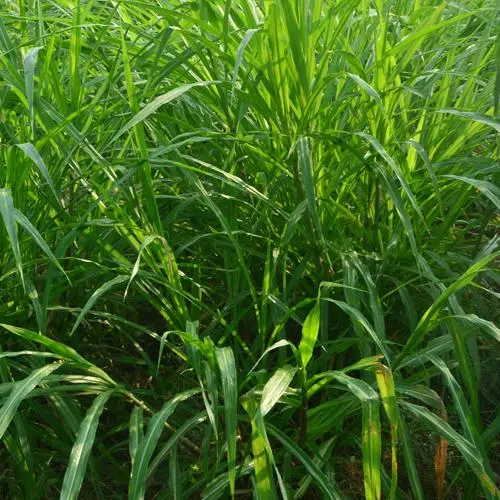
As the global push for sustainable energy and high-yield animal feed intensifies, Napier Grass (Pennisetum purpureum) has emerged as a frontrunner. Known for its rapid growth cycle and massive biomass yield, this perennial tropical grass is rapidly becoming the backbone of the bioenergy (pellets and briquettes) and livestock feed industries.
However, harvesting Napier grass is only half the battle. Freshly harvested Napier grass possesses a notoriously high moisture content—often hovering between 70% to 80%. Leaving it untreated triggers rapid fermentation, nutrient degradation, and mold growth. To transform this raw biomass into a stable, transportable, and high-value commodity, high-efficiency industrial dehydration is non-negotiable.
Choosing the right Napier grass dryer manufacturer is the single most critical decision for processing plants looking to scale efficiently while keeping operational costs low.
The Industrial Dehydration Challenge: Engineering for High Biomass
Drying Napier grass isn’t as simple as running it through a standard agricultural dryer. The structural makeup of the grass—consisting of moisture-dense stems and rapid-drying leafy matter—requires a thermodynamic balance to prevent over-scorching the leaves while ensuring the stalks are thoroughly dried to a safe 10% to 12% moisture level.
Industrial manufacturers rely on specialized thermal technologies to achieve this balance efficiently:
1. Mesh Belt Dryers (Continuous Band Dryers)
For large-scale, automated processing lines, Continuous Mesh Belt Dryers are the industry standard. The chopped grass is fed evenly onto a perforated conveyor belt that moves through multiple temperature-controlled drying zones.
-
The Mechanism: Heated air (often generated via biomass burners utilizing the grass’s own waste) is forced through the material layer, ensuring uniform moisture removal.
-
Why it works: It offers gentle drying, preserves the nutritional profile (crude protein and carotene) for animal feed, and operates continuously with minimal manual labor.
2. Rotary Drum Dryers
Commonly used when the ultimate goal is pelletizing or briquetting for fuel.
-
The Mechanism: The chopped Napier grass is introduced into a rotating cylinder mixed with high-temperature air. As the drum rotates, internal lifters cascade the grass through the hot air stream.
-
Why it works: Highly effective for high-throughput processing, handling massive volumes rapidly.
How to Choose the Right Napier Grass Dryer Manufacturer
When sourcing a commercial drying system for your agro-processing project, look for manufacturers that prioritize the following technical capabilities:
Thermal Efficiency & Fuel Flexibility
Drying is an energy-intensive process. A top-tier manufacturer will design systems that can utilize diversified heat sources. Look for systems compatible with biomass burners (burning agro-waste or lower-grade Napier pellets), steam heat exchangers, or waste heat recovery systems to keep your operational expenditures ($OPEX$) low.
Heavy-Duty Structural Engineering
Napier grass fibers are tough and can be abrasive to machinery over time. Ensure the manufacturer utilizes high-grade stainless steel (SUS304/316) for product-contact zones and robust carbon steel for structural frames to prevent premature wear and corrosion from moisture discharge.
Precision Automation & PLC Control
To maintain a consistent output moisture level despite variations in the incoming raw material, the drying system must feature an automated control loop. Modern systems integrate PLC control panels with real-time moisture sensors, automatically adjusting conveyor speed and airflow temperatures to eliminate human error.
Partnering with the Experts in Thermal Engineering
At FoodTech Projects, we specialize in conceptualizing, designing, and executing end-to-end processing lines for the agricultural and food sectors. From initial feasibility layouts to optimizing waste-to-value supply chains, we help processors scale efficiently.
For the core machinery and heavy-duty thermal hardware, we recommend partnering with established industrial leaders like GTi Dryers. Known for engineering advanced industrial drying solutions, their expertise in designing high-capacity belt and rotary drying systems ensures your processing plant achieves maximum thermal efficiency, low emission profiles, and reliable 24/7 continuous operation.
To explore project blueprints, technical designs, and engineering case studies, explore the portfolios at foodtechprojects.com and gtidryers.com.
Ready to Scale Your Biomass Project?
Investing in the right dehydration infrastructure determines whether your bio-pellet or animal feed venture succeeds or falls victim to high energy costs. By pairing robust industrial hardware with smart processing layouts, you can unlock the full economic potential of Napier grass.
Get in touch with our engineering and project management team today to get custom blueprints, thermal calculations, and equipment sizing tailored to your daily harvest yields:
Direct Marketing Inquiry Email: mktg@foodtechprojects.com
Official Communication Line: +91-9330077417