Unlock Hidden Revenue in Your CBG Plant with GTI’s Energy-Efficient Digestate Drying and Fertilizer Processing Systems
India’s Compressed Biogas (CBG) sector is expanding rapidly under the SATAT initiative. Hundreds of new anaerobic digestion projects are currently planned across agricultural, municipal, industrial, dairy, poultry, and food processing sectors. While most project developers focus heavily on biomethane production, many unfortunately overlook the enormous revenue potential hidden within digestate.
For many plant operators, raw organic residue is traditionally viewed as a waste disposal challenge. Forward-thinking CBG developers, however, are actively transforming this material into premium organic fertilizers, soil conditioners, biofertilizers, granules, pellets, and value-added agricultural products.
Consequently, the key to unlocking this profit lies in efficient digestate drying and fertilizer processing technology.
At Genex Tech Industries (GTI), we help CBG plant operators convert digestate from a disposal cost into a sustainable profit center. By utilizing advanced belt drying, fertilizer processing, granulation, and packaging solutions, we ensure maximum returns. Feel free to explore our complete setup options at GTI Dryers.
What is Digestate?
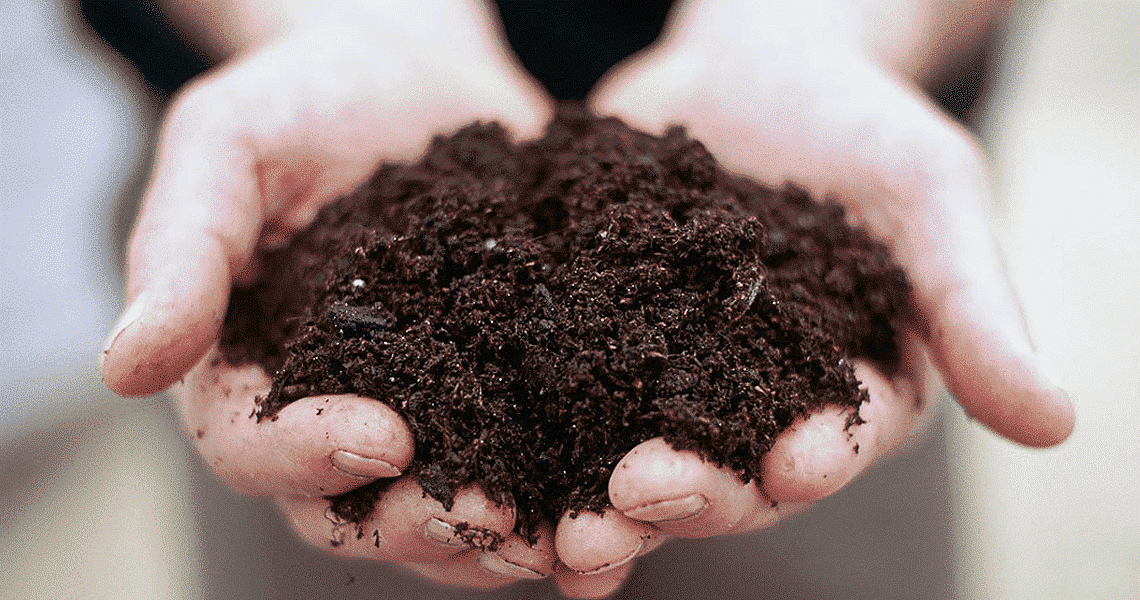
Digestate is the nutrient-rich residual material generated after anaerobic digestion of organic feedstocks. Typically, this includes raw materials such as:
-
Agricultural residues: Paddy straw, corn stover, sugarcane trash, and wheat straw
-
Agro-industrial wastes: Press mud and distillery waste
-
Animal manure: Dairy manure and poultry litter
-
Organic materials: Food waste, vegetable waste, fruit processing waste, and slaughterhouse waste
-
Municipal & Industrial streams: Municipal organic waste and industrial organic effluents
During the anaerobic digestion process, microorganisms successfully convert biodegradable organic matter into biogas consisting primarily of methane and carbon dioxide. After gas extraction is completed, the remaining material is officially called digestate.
Furthermore, this processed digestate contains highly valuable nutrients including:
-
Nitrogen (N)
-
Phosphorus (P)
-
Potassium (K)
-
Sulfur, Calcium, and Magnesium
-
Organic carbon
-
Beneficial microorganisms
The Digestate Disposal Challenge
Fresh digestate typically contains 75% to 95% moisture. This high liquid volume quickly creates a cascade of operational bottlenecks for plant operators:
-
High Transportation Costs: Moving untreated water is incredibly expensive. For example, a digestate containing 80% moisture means every 10 tons transported contains only 2 tons of actual solids.
-
Storage Constraints: Massive lagoons, storage tanks, and outdoor yards occupy valuable plant space that could be used for expansion.
-
Limited Marketability: Modern farmers heavily prefer dry, easy-to-handle granular fertilizers or pellets instead of handling wet slurry.
-
Environmental Compliance: Faulty digestate management can easily trigger odor complaints, runoff issues, nutrient leaching, and severe environmental penalties.
The Opportunity: Transform Digestate into a Commercial Fertilizer Product
Modern digestate processing allows plant operators to tap directly into high-margin agricultural markets. Specifically, facilities can produce:
-
Organic Fertilizer: Rich, balanced nutrients suitable for field crops, vegetables, orchards, and plantations.
-
Granular Organic Fertilizer: Offers effortless handling, mechanized field application compatibility, and higher commercial value.
-
Organic Pellets: Provides excellent durability for storage, long-distance transportation, export, and retail packaging.
-
Biofertilizer Products: Upgraded microbial formulations containing highly beneficial bacteria and fungi.
-
Soil Conditioners: Improving soil structure, moisture retention, and organic matter levels to support regenerative agriculture. Learn more about executing these commercial setups at Food Tech Projects.
Digestate Processing Flow for Maximum Revenue
Step 1: Digestate Separation
First, raw digestate is mechanically separated into two distinct fractions using heavy-duty equipment like a Screw Press, Decanter Centrifuge, or Belt Filter Press:
-
Liquid Fraction: This liquid is used directly for fertigation, nutrient recovery systems, or liquid fertilizer products.
-
Solid Fraction: Alternatively, the solid portion is diverted straight to the drying and value-addition line.
Step 2: Continuous Digestate Drying
Next comes the most critical value-addition stage in the loop. Thermal digestate drying efficiently reduces the moisture content of the solid fraction from an initial 60–80% down to a shelf-stable 10–15%.
As a result, operators experience major benefits:
-
Significant bulk volume and weight reduction.
-
Drastically reduced transportation and logistics costs.
-
Long shelf life along with superior storage stability.
-
Enhanced fertilizer quality that is ideal for downstream granulation and pelletization.
Why Belt Dryers are Ideal for Digestate Drying
GTI Belt Dryer Technology
GTI’s low-temperature belt dryers are engineered specifically to handle the unique physical and chemical characteristics of organic matter. Custom industrial options can be reviewed anytime at gtidryers.com.
-
Energy Efficient Operation: Our systems utilize low-grade thermal energy including hot water, steam, thermal oil, and CHP engine exhaust heat, reducing operational costs significantly.
-
Nutrient Preservation: Low drying temperatures deliberately prevent the volatilization of valuable Nitrogen while preserving biological activity.
-
Continuous Industrial Operation: The machinery is ruggedly built for automated, 24/7 continuous operation in large-scale CBG facilities.
-
Odor & Dust Management: Because the drying system is fully enclosed, it minimizes odor emissions and dust formation to ensure environmental compliance.
-
Modular & Scalable Design: Equipment is available across multiple industrial evaporation capacities:
-
500 kg/hr evaporation
-
1 TPH (Tons Per Hour) evaporation
-
2 TPH evaporation
-
5 TPH evaporation
-
10+ TPH evaporation
-
Utilizing Waste Heat for Near-Free Drying
One of the biggest financial advantages for CBG projects is the direct integration of low-cost thermal energy into the drying loop. For instance, recoverable heat sources include:
-
CHP Engine Waste Heat: Electricity generation engines produce large quantities of high-grade exhaust and jacket heat.
-
Boiler Waste Heat: This energy is readily available from plant steam utility lines.
-
Biogas Combustion Systems: Offers direct thermal integration pathways.
-
Industrial Waste Heat Recovery: Highly viable in integrated industrial anaerobic digestion facilities.
Therefore, using available waste heat to drive your digestate drying process completely redefines your plant economics, turning an energy liability into a virtually free operational asset.
Digestate Granulation: Creating Premium Fertilizer Products
Once the material is dried down to 10-15% moisture, it is completely primed for physical transformation into high-value commercial products:
-
Organic Fertilizer Granules: This step yields uniform particle sizes that fit perfectly into mechanized field seed drills, driving immediate farmer acceptance.
-
Organic Pellets: Pelletizing provides higher bulk density, thereby reducing required storage space and maximizing transport logistics for long-distance domestic shipping.
-
Enriched & Fortified Fertilizers: Additionally, the dry substrate can be fortified with rock phosphate, potassium minerals, humic substances, and specialty biofertilizer cultures to command premium retail pricing.
Complete GTI Digestate Fertilizer Processing Line
GTI offers complete turnkey engineering, procurement, and construction (EPC) for integrated digestate lines:
| Processing Stage | Turnkey Equipment Offered by GTI |
| 1. Digestate Separation Systems | High-efficiency Screw Presses, Decanter Centrifuges, Belt Filter Presses, Dewatering Equipment |
| 2. High-Efficiency Drying Systems | Low-Temperature Belt Dryers, Multi-Pass Belt Dryers, Hybrid Integrated Drying Systems |
| 3. Fertilizer Manufacturing Line | Industrial Mixers, Granulators, Pellet Mills, Product Coolers, Screening Systems |
| 4. Bulk Material Handling | Heavy-duty Conveyors, Bucket Elevators, Automated Storage Systems & Silos |
| 5. End-of-Line Packaging | Automatic Bagging Systems (25-50kg bags), Bulk Jumbo Bag Packaging Systems, Palletizing Solutions |
Digestate Drying Applications Across Different CBG Feedstocks
Agricultural Residue CBG Plants
-
Feedstocks: Paddy straw, wheat straw, corn residues, cotton stalks, sugarcane trash.
-
Output Product: This process yields excellent, carbon-rich agricultural organic fertilizers that return vital organic mass back to depleted soils.
Press Mud Based CBG Plants
-
Sugar industry press mud digestate is inherently rich in organic matter and crucial macronutrients. Consequently, processing this digestate allows you to tap directly into high-demand, pre-existing sugar cane farmer retail networks. For consulting on complete bio-processing plant layouts, visit foodtechprojects.com.
Dairy Waste Biogas Plants
-
This specific feedstock produces clean, structural fertilizers perfectly tailored for organic farming, specialty horticulture, greenhouse crops, and regional soil improvement programs.
Poultry Litter Biogas Plants
-
This setup produces highly concentrated organic fertilizer products with exceptional natural NPK values. Fortunately, advanced digestate drying completely neutralizes pathogens, suppresses raw odors, and guarantees high commercial marketability.
Food Waste & Municipal Organic Digesters
-
Lastly, this method transforms segregated food waste and municipal organic matter into highly stable commercial compost products, premium landscape fertilizers, or land restoration amendments.
Revenue Streams Created Through Digestate Processing
Integrating a downstream fertilizer manufacturing line transforms a CBG project from a single-revenue asset into a highly resilient bio-refinery:
                  ┌──► Biomethane Sales (Primary Grid Income)
                  ├──► Carbon Credits (Environmental Offsets)
                  ├──► Electricity Generation (CHP Grid Injection)
CBG Plant Revenue ┼──► Branded Organic Fertilizer Sales
                  ├──► Premium Fortified Granular Fertilizer Products
                  ├──► Carbon-Rich Soil Conditioners
                  └──► Biofertilizer Microbial Products
Circular Economy & Sustainability Benefits
Digestate valorization does more than stabilize balance sheets—it fundamentally anchors the local agricultural ecosystem:
-
Sustainable Agriculture: It safely cycles valuable NPK and trace minerals straight back to localized food systems.
-
Reduced Chemical Dependency: It offers an affordable, high-performance alternative to synthetic chemical fertilizers, mitigating chemical soil degradation.
-
Improved Soil Health: It increases soil organic carbon (SOC) contents, supporting diverse microbial activity and boosting water retention capacities.
-
Lowered Carbon Footprint: Finally, it completely eradicates the methane emissions associated with open manure lagoons or untreated agricultural waste dumps.
Why Leading CBG Developers Choose Genex Tech Industries (GTI)
With over 40 years of engineering legacy and pioneering innovations in industrial drying, dehydration, and large-scale process equipment, GTI delivers field-proven performance under rigorous industrial conditions. Detailed technical documentation is always available via gtidryers.com.
-
✔ Advanced Low-Temperature Belt Dryers: Maximizes nutrient protection and thermal efficiency during digestate drying.
-
✔ Waste Heat Integration Expertise: Custom engineering to adapt seamlessly to your specific boiler or CHP configuration.
-
✔ Turnkey Engineering Support: End-to-end capabilities spanning from raw design and layout optimization to precision manufacturing, installation, and final commissioning handled expertly by foodtechprojects.com.
-
✔ Heavy Industrial Construction: Built with premium materials designed to handle demanding, highly corrosive agro-industrial materials.
Convert Waste into Wealth with GTI
The long-term profitability of Compressed Biogas projects lies in maximizing the commercial return of every single processing stream. Therefore, stop treating digestate as an expensive disposal liability. Monetize it.
Transform your plant logistics and capture a high-margin secondary revenue stream with GTI’s energy-efficient digestate drying and fertilizer processing solutions.