
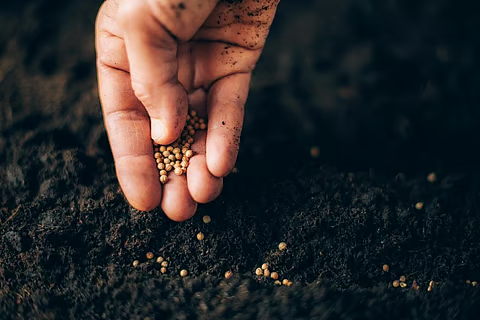
Modern farming now needs us to turn waste into good soil. For this reason, the bio fertiliser drying machine is a key tool for any plant. Raw waste is easy to find, but it typically contains too much water to use immediately. Therefore, a professional drying system is the best way to turn wet waste into a valuable product.
Why Every Waste Plant Needs a Bio Fertiliser Drying Machine
Waste from biogas plants or animals often has 60% to 80% moisture. If you do not dry this waste fast, it starts to rot. Consequently, this process destroys the good nutrients that plants need to grow.
However, a specialized bio fertiliser drying machine gives you full control. This machine keeps the nutrients safe. Furthermore, making the waste lighter saves you money on shipping. You can learn more about this in our CBG bio-digestate drying system guide.
How the Drying Process Works
To see why a bio fertiliser drying machine is effective, we must look at how it uses heat. In a simple setup, heat turns the water into vapor. This process needs three things: a heat source, air to move the vapor, and a way to tumble the material.
The Three Basic Steps
-
Heating: First, the wet waste enters the machine and warms up.
-
Drying: Next, water moves to the surface and turns into vapor.
-
Cooling: Finally, the machine cools the dry product so you can bag it.
Choosing the Best Bio Fertiliser Drying Machine
Different waste types need different machines. Because of this, picking the right one is very important. We recommend these two main types:
Industrial Rotary Drums
Most plants use these for large jobs. A big drum spins the waste through hot air. If you need a strong machine for long hours, GTI Industrial Dryers offers great rotary solutions.
Gentle Belt Systems
For sticky waste, a belt-style bio fertiliser drying machine is better. A belt moves the waste slowly while warm air blows through it. This method is very gentle. Additionally, it keeps the helpful microbes in the fertiliser alive.
Using Heat from Biogas Plants
In a green business, the bio fertiliser drying machine is the last step. Biogas plants produce wet solids after they make gas. This material is great for soil, but you must dry it first.
Instead of buying fuel, smart plants use the heat from their own engines to run the dryer. Consequently, this makes the drying process almost free. It turns a waste problem into a new way to make money. You can find more details on our food tech projects homepage.
Making Better Pellets
Once the bio fertiliser drying machine is done, you can make pellets. Farmers like pellets because they are easy to spread. Moreover, pellets last a long time in storage.
To make sure your pellets stay hard and dry, use a pellet drying system. This final step stops mold from growing. As a result, it ensures your product is the best quality for your customers.
Conclusion: Grow Your Business with Genex Tech Industries
Healthy soil is a global need. Instead of throwing waste away, you can treat it as a resource. By using a high-quality bio fertiliser drying machine, you help the earth and your business.
Read our Food Tech Projects blog for more tips. If you have other needs, like ore and slurry drying systems, GTI Dryers has the tools to help you succeed.