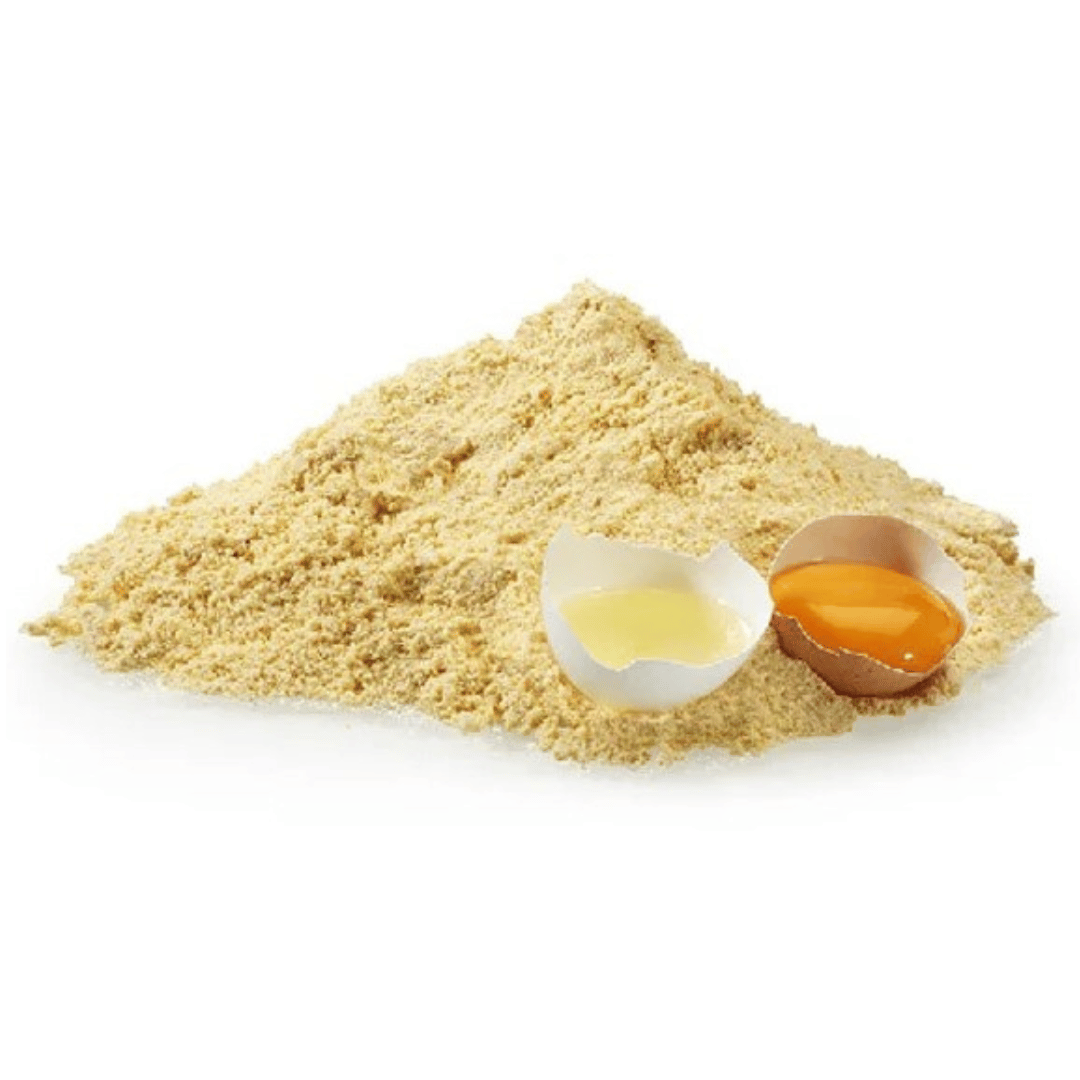
The global food industry is shifting rapidly toward shelf-ready, high-quality ingredients. Consequently, industrial bakeries, confectionery giants, nutraceutical brands, and ready-to-eat meal suppliers all depend heavily on processed egg ingredients. These products range from pasteurized liquid mixtures to high-stability powders.
For poultry integrators and food processors looking to expand, investing in a complete turnkey egg processing line is an excellent strategy to maximize profitability. To achieve this, Genex Tech Industries LLP (Food Tech Projects) builds export-grade, end-to-end processing lines. These setups help facilities successfully tap into this high-demand market.
Let’s dive into the core engineering steps, processing stages, and machinery required to transform raw shell eggs into highly valuable commodities.
1. The Core Architecture of an Egg Processing Plant
Processing raw eggs into stable ingredients requires an unbroken chain of hygienic, automated steps. Because raw eggs are highly sensitive to bacterial contamination and structural damage, the plant blueprint demands careful design. It requires precise food-grade stainless steel (SS304/SS316) construction and intelligent automation.
To maintain high standards, the production journey moves sequentially through four main technological phases.
-
Phase 1: Automated Breaking and Separation
First, operators feed raw shell eggs into an Automatic Egg Breaking & Separation Machine. This automated system cracks the shells cleanly to eliminate fragment contamination. Simultaneously, specialized, hygienic separation cups isolate the egg whites (albumen) from the yolk streams.
-
Phase 2: Filtration and Standardization
Next, fine-mesh filtration systems catch microscopic shell pieces in the liquid egg streams. The liquid then flows into Storage & Blending Tanks to standardize the moisture levels. At this point, operators can add ingredients like salt, stabilizers, or sugars depending on client specs.
-
Phase 3: Pasteurization and Homogenization
Subsequently, the system runs the standardized liquid through a precise pasteurization thermal cycle to ensure food safety. Immediately after, an Industrial Homogenizer stabilizes the fat distribution. This is crucial for lipid-rich yolk blends because it ensures a consistent viscosity across batches.
-
Phase 4: Spray Drying (For Powder Plants)
Finally, for factories manufacturing dry ingredients, the system pumps the pasteurized liquid into a Spray Dryer System. The nozzle atomizes the liquid into a fine mist inside a heated chamber. Thereby, it instantly evaporates moisture and yields a highly soluble, nutrient-rich powder.
2. Optimizing Efficiency & Functionality
Inside a modern processing plant, generic handling won’t yield competitive products. Therefore, advanced plants utilize two specialized biochemical and physical steps to boost functional properties and keep yield high:
-
Biochemical Desugaring (Glucose Removal): Before sending egg white powder to thermal drying, enzymes biochemically remove glucose from the liquid albumen. This crucial process prevents the Maillard browning reaction (unwanted discoloration) during drying, thus guaranteeing a clean white powder with an extended shelf life.
-
Product Recuperating Systems: Furthermore, advanced lines use membrane ultrafiltration technology to recover the egg-water mixture that clean-downs or product changeovers generate. As a result, this dramatically cuts down on wastewater load while reclaiming valuable product solids.
3. High-Performance Thermal Dehydration
The crown jewel of an export-oriented egg plant is the drying technology. Undoubtedly, transforming heat-sensitive liquid eggs into premium powder demands sophisticated air-flow dynamics.
Liquid egg proteins denature easily if they overheat. For this reason, industrial egg powder dehydration machines use precise inlet and outlet temperature profiles.
Key Advantages of Spray Drying Technology
-
Protein Protection: Rapid, co-current evaporation removes moisture instantly before the delicate proteins absorb destructive thermal energy.
-
Functional Integrity: Moreover, it preserves the original whipping capacity, binding strength, emulsion stability, and nutritional properties of the powders.
-
Instant Solubility: In addition, it creates uniform, targeted particle sizes that reconstitute flawlessly when industrial bakeries add water at the end stage.
4. Closing the Loop: The Circular Egg Shell Economy
A truly sustainable, zero-waste processing plant does not throw away eggshells. Instead, modern processing setups integrate an Egg Shell Processing System to turn a former disposal liability into an additional revenue stream.
| Processing Step | Equipment Used | Output / Benefit |
| Liquid Recovery | Industrial Centrifuge | Reclaims residual liquid egg material from spent shells. |
| Size Reduction | Industrial Crusher / Hammer Mill | Breaks down coarse shells into uniform fragments. |
| Biosecurity | Thermal Sterilization | Eliminates all potential biological hazards and pathogens. |
| Fine Pulverization | High-Power Pulverizer | Yields high-purity, bio-calcium mineral powder. |
Commercial Applications: Ultimately, the final sterilized eggshell powder serves as a premium ingredient for animal feed enrichment, organic calcium fertilizers, and specialized pharmaceutical applications.
Turnkey Engineering Solutions
Setting up a high-yield egg processing facility requires an experienced engineering partner. With this in mind, Genex Tech Industries LLP brings over 40 years of industrial expertise to guide your project from concept to commissioning.
Our complete turnkey solutions manage initial factory layout planning, utility estimations, PLC-SCADA automated control programming, line installation, and validation. In short, every line features custom engineering to fully comply with rigorous food safety frameworks, including CE and US FDA certification standards.
Ready to Optimize Your Production Value Chain?
Get a detailed technical proposal, layout consultation, and tailored equipment quotes from our expert engineering team:
-
Email Support: mktg@foodtechprojects.com / sales@foodtechprojects.com
-
Phone / WhatsApp: +91 93300 77417
-
Websites: www.foodtechprojects.com / www.gtidryers.com