Introduction to Industrial Botanical Processing
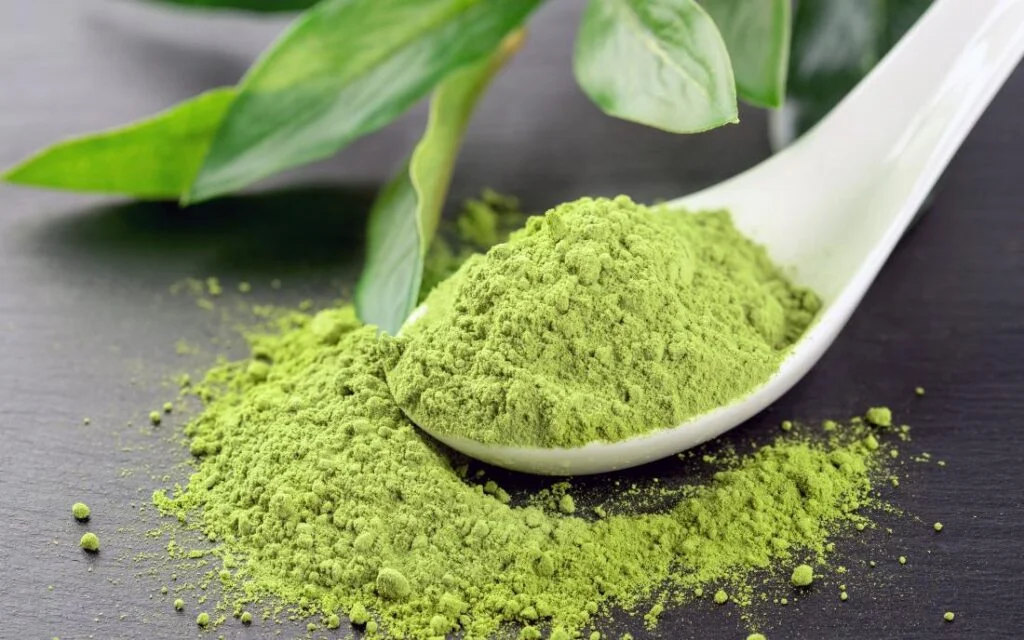
Industrial processing of bioactive botanical extracts represents a critical sector within modern food technology and pharmaceutical processing. Furthermore, green tea leaves contain high concentrations of natural antioxidants, specifically catechins, flavonoids, and polyphenols. Consequently, converting liquid tea extracts into free-flowing and shelf-stable powders requires precise thermal processing and dehydration engineering.
In addition, thermal degradation, oxidation, and loss of bioactivity occur quickly if processing parameters are not controlled. Therefore, selecting the correct industrial drying technology ensures high extraction efficiency and optimal active compound retention. Moreover, proper machinery selection guarantees exact moisture control and superior powder solubility. As a result, manufacturers must evaluate thermal dynamics carefully to prevent product damage while maximizing production output.


1. Raw Material Preparation and Enzyme Inactivation
Freshly harvested green tea leaves contain active polyphenol oxidase and peroxidase enzymes. If these enzymes remain active, they oxidize native catechins into larger polyphenolic compounds. Consequently, this oxidation alters the natural antioxidant profile and reduces overall extract quality.
-
Thermal Inactivation: Leaves undergo steam treatment at temperatures between 85°C and 100°C for 60 to 180 seconds. As a result, endogenous enzymes are completely inactivated.
-
Rapid Cooling Protocols: Following steam exposure, the treated leaves cool rapidly below 30°C. Therefore, thermal degradation stops immediately.
-
Mechanical Milling: Shredding machinery crushes the cooled leaves to increase surface contact area. Thus, solvent penetration improves significantly during extraction.
2. Extraction and Liquid Stream Concentration
Before entering the drying stage, raw leaves undergo multi-stage liquid extraction followed by mechanical clarification and vacuum concentration.
Industrial Extraction Equipment
Counter-current extraction batteries maintain a high solvent-to-solid ratio between 1:8 and 1:12. Additionally, water or food-grade aqueous ethanol blends at 50% to 70% concentration extract active compounds efficiently. As a result, target polyphenols are isolated at operating temperatures between 70°C and 90°C.
Furthermore, high-speed disc-stack centrifuges operating between 4,000 and 8,000 RPM isolate suspended solid particles. Afterwards, membrane filtration units, including microfiltration and ultrafiltration systems, remove insoluble waxes and pectin fractions effectively.
Evaporation and Vacuum Concentration Techniques
Raw liquid extract contains only 3% to 6% total soluble solids. Consequently, drying liquid at this low concentration requires excessive thermal energy. Therefore, modern processing facilities utilize multi-effect falling film vacuum evaporators or mechanical vapor recompression systems.
Moreover, operating under vacuum pressures between 0.07 MPa and 0.09 MPa lowers the boiling point to between 45°C and 65°C. Consequently, the liquid extract concentrates safely without thermal damage. As a result, the feed reaches 30% to 50% total soluble solids prior to drying.
3. Industrial Drying Technologies for Tea Extracts
Selecting appropriate industrial drying machinery depends on targeted production scale, bioactive retention, and physical powder specifications. Therefore, manufacturers must evaluate whether spray drying systems or low-temperature vacuum drying systems best meet their production requirements.
Industrial Spray Drying Systems: Best for Standard Green Tea Powder
Industrial spray drying is the primary method for producing high volumes of standard green tea extract powders. Furthermore, concentrated liquid extract atomizes into a fine mist inside a drying chamber where it contacts high-velocity hot air.
-
Atomization Systems: Rotary atomizers operating at 12,000 to 25,000 RPM create uniform droplets between 20 and 80 µm. Alternatively, high-pressure nozzles operating up to 25 MPa produce dense spherical granules.
-
Thermal Parameters: Inlet air temperatures range from 160°C to 210°C, while outlet temperatures remain between 75°C and 95°C. Because moisture evaporates within seconds, rapid cooling protects active compounds from heat damage.
-
Product Suitability: Spray drying is best suited for standard green tea powders requiring high solubility and continuous large-scale production.
Low-Temperature Vacuum Belt Dryers: Best for High-Purity Polyphenol Extract
Vacuum belt dryers are engineered specifically for heat-sensitive botanical extracts where active compound degradation must be minimized.
-
Operating Mechanism: Concentrated liquid extract spreads continuously onto moving stainless steel mesh belts inside a cylindrical vacuum chamber.
-
Thermal Parameters: Operating under vacuum pressures between 0.08 MPa and 0.098 MPa, multi-stage heating plates maintain product temperatures between 40°C and 65°C.
-
Product Suitability: This technology is best for high-purity tea polyphenol extracts requiring maximum antioxidant retention and customizable granule sizes.
4. Comprehensive Dryer Selection Matrix
| Operating Criteria | Industrial Spray Drying System | Low-Temperature Vacuum Belt Dryer |
| Best Suited Product | Standard Green Tea Extract Powder, Instant Tea Powders | High-Purity Tea Polyphenol Extracts |
| Production Scale | High volume continuous production | High-value specialty processing |
| Thermal Operating Temp | Inlet: 160°C – 210°C, Product: 70°C – 85°C | Product Temp: 40°C – 65°C |
| Active Bioactive Retention | High (85% to 92% active retention) | Very High (95% to 99% active retention) |
| Powder Morphology | Fine spherical hollow particles | Granular porous flakes |
| Final Moisture Content | 3.0% to 4.5% | 1.5% to 3.0% |
| Energy Consumption | Optimized with heat recovery systems | Reduced thermal loss under vacuum |
| Capital Investment | Moderate initial capital cost | Higher initial equipment investment |
5. Powder Handling, Sieving, and Packaging
Botanical extract powders absorb atmospheric moisture rapidly when exposed to humidity above 40%. Consequently, downstream handling requires strictly controlled environmental parameters.
-
Pneumatic Conveying: Cooled dehumidified air conveys dried powder from cyclone outlets to storage hoppers. As a result, powder temperatures drop below 28°C safely.
-
Ultrasonic Sieving: Ultrasonic screening machinery eliminates agglomerates efficiently. Afterwards, sieves separate powder into standardized particle sizes between 60 mesh and 120 mesh.
-
Cleanroom Packaging: Packaging suites operate under ISO 8 cleanroom standards with relative humidity below 35%. Furthermore, automated packaging stations load powder into multi-layer aluminum-foil barrier bags. Finally, nitrogen gas flushing reduces oxygen levels below 1.0%, extending product shelf life.
6. Comprehensive Processing Specifications
-
Extraction Solvent Blend: Deionized Water or 50% to 70% Food-Grade Aqueous Ethanol.
-
Solvent-to-Leaf Ratio: 8:1 to 12:1 by weight.
-
Extraction Temperature Range: 70°C to 90°C.
-
Extraction Yield Efficiency: 88% to 95% total available polyphenols extracted.
-
Centrifugal Clarification Speed: 4,000 to 8,000 RPM.
-
Filtration Rating: Ultrafiltration membranes rated from 10 kDa to 50 kDa.
-
Evaporator Operating Vacuum: 0.07 MPa to 0.09 MPa.
-
Concentrate Solids Concentration: 30% to 50% Total Soluble Solids (TSS).
-
Spray Dryer Inlet Air Temperature: 160°C to 210°C.
-
Spray Dryer Outlet Air Temperature: 75°C to 95°C.
-
Rotary Atomizer Speed: 12,000 to 25,000 RPM.
-
Vacuum Belt Dryer Temperature: 40°C to 65°C.
-
Vacuum Belt Dryer Pressure: 0.08 MPa to 0.098 MPa.
-
Finished Product Moisture Content: 2.0% to 4.0%.
-
Powder Water Solubility: Greater than 99.5% complete dissolution.
-
Packaging Cleanroom Standard: ISO 8 (Class 100,000), Relative Humidity under 35%.
Conclusion
Industrial processing of green tea extract and tea polyphenol powders requires specialized extraction, clarification, vacuum concentration, and thermal drying systems. Modern spray dryers and low-temperature vacuum belt dryers allow processors to protect heat-sensitive active compounds effectively. Furthermore, these processing systems control particle size distributions precisely, achieve uniform moisture levels below 4%, and deliver high powder solubility. As a result, selecting appropriate machinery ensures energy-efficient plant operations, consistent product quality, and maximum production yields across industrial processing operations.
Contact Information and Technical Consultation
For customized turnkey botanical extraction plants, industrial spray drying units, low-temperature vacuum belt dryers, and complete food processing machinery engineering, contact GENEX Tech Industries LLP:
-
Head Office Address:
GENEX Tech Industries LLP
10C, Sir William Jones Sarani (Middleton Row), Park Street,
Kolkata – 700071, West Bengal, India
-
Direct Phone / WhatsApp Contact:
+91-97489 06968 | +91-93300 77417
-
Official Business Email:
mktg@foodtechprojects.com | sales@foodtechprojects.com
-
Official Company Websites: