
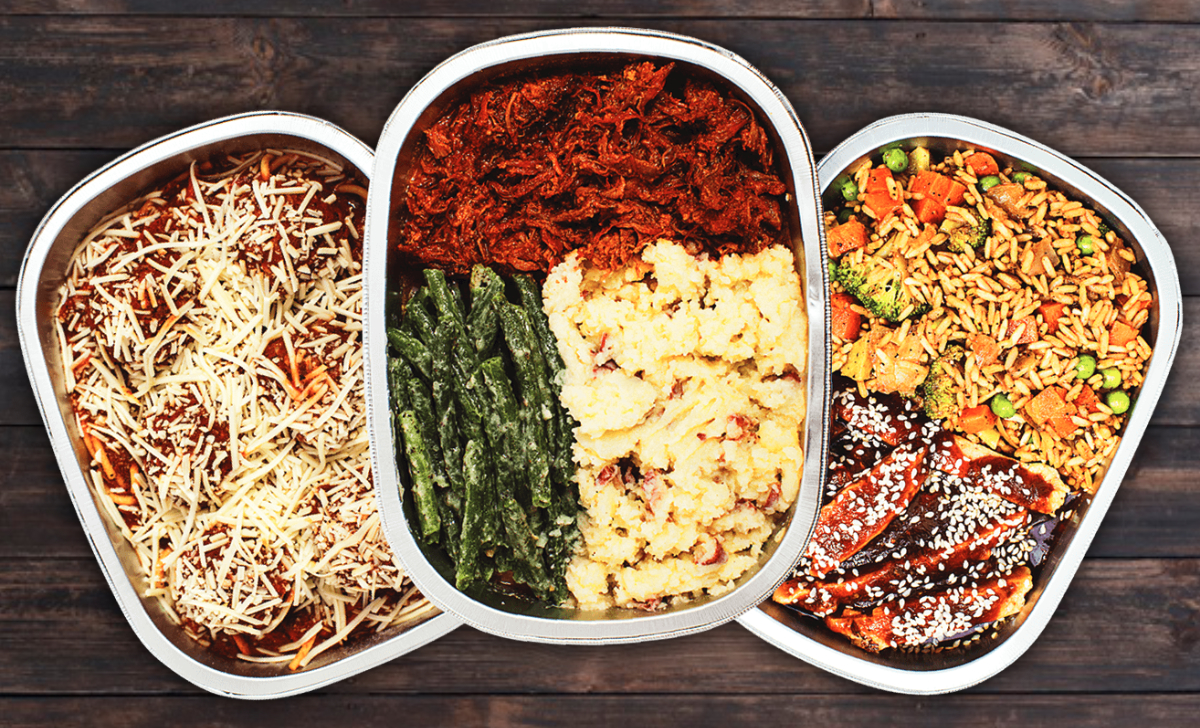
Furthermore, moreover, additionally, and therefore, welcome indeed to this technical and commercial guide by GENEX Tech Industries LLP on designing, equipping, and operating a modern ready to eat food processing plant and ready to cook food machinery line. Consequently, thus, hence, accordingly, and meanwhile, food manufacturing additionally requires precise engineering, advanced automation, strict food safety protocols, and optimized thermal processing units. Furthermore, moreover, additionally, consequently, thus, and therefore, whether you launch an RTE food manufacturing plant or an advanced RTC food processing line, understanding ingredient preparation, mixing, cooking, forming, filling, thermal processing, cooling, drying, and packaging drives commercial success. Moreover, additionally, therefore, and consequently, industry stakeholders must evaluate capital expenditures, operational efficiency, and hygienic compliance carefully.
1. Executive Overview and Market Landscape
Furthermore, moreover, additionally, and therefore, the global demand for convenience foods has skyrocketed over the past decade. Consequently, thus, hence, accordingly, and meanwhile, consumers across urban and rural markets seek nutritious, safe, and flavorful meal solutions requiring minimal preparation time. Therefore, subsequently, instead, and rather, this market shift consequently accelerates investments in automated ready to eat food processing plant infrastructure.
Defining RTE versus RTC
-
Ready-to-Eat (RTE) Foods: Furthermore, moreover, additionally, and consequently, these food products require no further cooking, heating, or preparation prior to consumption. Examples consequently include ready-to-eat curries, canned gravies, extruded snack mixes, roasted millet namkeens, retort-pouched biryanis, and instant porridges.
-
Ready-to-Cook (RTC) Foods: Additionally, moreover, therefore, and thus, these products require minimal preparation—such as boiling, steaming, pan-frying, or microwave heating—before consumption. Examples therefore include frozen parathas, ready-to-cook soup mixes, freeze-dried instant noodle blocks, marinated ready-fry chicken nuggets, and extruded pasta pellets.
Government Incentives and Subsidies
Furthermore, moreover, additionally, and consequently, RTE and RTC food processing sectors benefit tremendously from government support frameworks. For instance, schemes like India’s Pradhan Mantri Kisan Sampada Yojana (PMKSY), Production Linked Incentive (PLI) schemes for food processing, and state-level capital subsidies moreover provide substantial financial backing. Consequently, thus, hence, and therefore, these initiatives offer credit-linked capital grants, infrastructure subsidies, and tax incentives for establishing modern processing plants, upgrading machinery, and building cold-chain networks.
2. Core Unit Operations in an RTE & RTC Processing Line
Furthermore, moreover, additionally, and consequently, every commercial food plant follows a systematic flow of operations. Let us consequently examine each stage in detail.
A. Ingredient Preparation and Sorting
Before processing begins, operators must subject raw materials—ranging from grains, pulses, and millets to vegetables, meats, and spices—to rigorous preparation.
-
Cleaning and Destoning: Furthermore, air-aspirated destoners and gravity separators remove stones, dust, metal fragments, and foreign debris efficiently.
-
Peeling, Coring, and Slicing: Additionally, mechanical abrasive peelers, knife cutters, and dicers ensure uniform particle sizing for consistent cooking.
-
Washing and Sanitization: Moreover, automated immersion and spray washers utilizing ozone or sanitized water eliminate microbial loads completely.
B. Precision Mixing and Blending
Homogeneity remains vital for taste, texture, and nutritional consistency.
-
Ribbon Blenders: Furthermore, ribbon blenders suit dry spice mixes, instant soup powders, and millet flour blends.
-
High-Shear Vacuum Mixers: Additionally, operators use high-shear vacuum mixers for emulsifying sauces, gravies, and wet marinades without incorporating unwanted air bubbles.
-
Paddle Mixers: Moreover, paddle mixers provide gentle mixing action for delicate ingredients like grains and snack components.
C. Thermal Cooking and Extrusion
Cooking transforms raw textures into palatable, shelf-stable, or chilled meals.
-
Continuous Cookers and Steam Jacketed Kettles: Furthermore, processors use continuous cookers and steam jacketed kettles for bulk gravies, curries, and sauces featuring scraper agitators to prevent burning.
-
Twin-Screw Extruders: Additionally, twin-screw extruders excel for snack mixes, textured vegetable protein (TVP), and millet-based puffed snacks by cooking, shaping, and expanding products under high temperature and pressure.
D. Forming, Shaping, and Filling
Once workers cook or prepare products, machines shape and dispense them into containers.
-
Piston and Rotary Fillers: Furthermore, piston and rotary fillers dispense liquid and semi-liquid components like gravies, dal makkhani, and curries into cans, trays, or pouches precisely.
-
Forming Machines: Additionally, rotary molders and wire-cut machines shape cookie doughs, snack pellets, and patty mixtures.
E. Advanced Thermal Processing (Retorting, Pasteurization, and Sterilization)
To achieve commercial sterility and extend shelf-life without chemical preservatives, plants require thermal processing.
-
Retort Autoclaves: Furthermore, overpressure water-immersion or steam-air retorts sterilize hermetically sealed pouches and cans at temperatures exceeding 121°C to destroy spores of Clostridium botulinum and other pathogens.
-
Continuous Pasteurizers: Additionally, processors use continuous pasteurizers for low-acid or high-acid liquid components prior to aseptic filling.
F. Cooling and Chilling Systems
Rapid cooling prevents microbial germination and preserves color, texture, and nutritional value.
-
Spiral Chillers and Blast Chillers: Furthermore, spiral chillers and blast chillers drop cooked meal temperatures from 90°C down to 4°C within minutes.
-
Vacuum Coolers: Additionally, vacuum coolers evaporate moisture rapidly from freshly baked or cooked items to achieve instant internal cooling.
3. Comprehensive Industrial Dryer Selection Guide
Drying represents a critical unit operation in manufacturing dried instant meal components, dehydrated vegetable flakes, snack mixes, and processed millet flours. Selecting the correct industrial dryer dictates product quality, energy efficiency, operating costs, and final rehydration behavior. Below is a detailed breakdown of industrial dryers used in modern food processing plants along with their optimal product applications.
1. Fluidized Bed Dryers (FBD)
-
Working Principle: Furthermore, heated air forces upward through a perforated distribution grid supporting a bed of solid particulate food material.
-
Operating Temperatures: Typically 60°C to 140°C, depending on product heat sensitivity.
-
Best Suited For: Granular products, free-flowing powders, instant soup granules, cereal flakes, and pre-cooked millet grains.
2. Tray Dryers (Cabinet Dryers)
-
Working Principle: Additionally, operators spread food materials in thin layers on shallow perforated trays stacked inside an insulated cabinet.
-
Operating Temperatures: 50°C to 90°C.
-
Best Suited For: Small-to-medium scale batch processing of sliced vegetables, dried herbs, spices, fruit leathers, and specialized local snack components.
3. Rotary Dryers
-
Working Principle: Moreover, a slightly inclined rotating cylindrical shell allows food materials to travel while cascading through a stream of hot air.
-
Operating Temperatures: 100°C to 250°C.
-
Best Suited For: High-capacity drying of whole grains, pulses, coarse millet groats, and animal feed ingredients.
4. Spray Dryers
-
Working Principle: Furthermore, atomizers convert liquid slurries, concentrated gravies, or liquid extracts into a fine mist inside a large drying chamber contacting hot air.
-
Operating Temperatures: Inlet air 150°C to 250°C; outlet air 70°C to 90°C.
-
Best Suited For: Instant beverage powders, dairy whitener, powdered cheese sauces, instant gravy powders, and soluble soup bases.
5. Freeze Dryers (Lyophilizers)
-
Working Principle: Additionally, refrigeration systems freeze food products to temperatures between -40°C and -50°C before vacuum pumps reduce chamber pressure into a deep vacuum.
-
Operating Temperatures: Sublimation plate temperatures range from -20°C to +50°C under ultra-low vacuum.
-
Best Suited For: Premium ready-to-eat backpacking meals, freeze-dried meal components, whole fruit slices, high-value vegetable pieces, and instant coffee cubes.
6. Vacuum Dryers
-
Working Principle: Moreover, vacuum vessels dry food items under reduced atmospheric pressure to lower water boiling points.
-
Operating Temperatures: 40°C to 70°C.
-
Best Suited For: Heat-sensitive food products, sugar-rich ingredients, concentrated fruit pastes, and delicate extracts.
7. Drum Dryers (Roller Dryers)
-
Working Principle: Furthermore, applicators coat liquid or slurry food onto the exterior of heated rotating metal drums for rapid thin-film drying.
-
Operating Temperatures: 120°C to 180°C.
-
Best Suited For: Instant infant cereals, mashed potato flakes, pre-gelatinized starches, and cereal-millet porridge flakes.
4. Practical Product Line Comparisons: How Processes Differ
To understand how machinery layout varies, let us examine three distinct food product examples:
Product Example A: Retort-Pouched Ready Meals (e.g., Dal Makhani & Jeera Rice)
-
Preparation: Furthermore, operators sort, soak dal and rice, and wash vegetables initially.
-
Cooking: Additionally, steam-jacketed kettles cook dal with spices and butter while workers parboil rice.
-
Filling & Sealing: Moreover, automated multi-head piston fillers dispense measured portions into laminated four-layer retort pouches.
-
Thermal Processing: Therefore, operators load pouches into a water-immersion retort autoclave operating at 121°C for 25 minutes.
-
Cooling & Packaging: Consequently, spray systems cool pouches to 35°C before workers dry, inspect via metal detectors, label, and carton them.
Product Example B: Extruded Millet-Based Snack Mixes (e.g., Spicy Crunchy Millet Puffs)
-
Preparation: Furthermore, ribbon blenders combine pearl millet flour, rice flour, chickpea flour, and seasonings.
-
Mixing & Conditioning: Additionally, pre-conditioners inject steam and water to adjust moisture content to 18%.
-
Extrusion: Moreover, twin-screw extruders cook, shape, and puff the millet mixture under high pressure.
-
Drying: Therefore, continuous Fluidized Bed Dryers reduce product moisture down to 2%.
-
Flavoring & Packaging: Consequently, flavor drums apply seasoning before Vertical Form Fill Seal (VFFS) machines pack the snack.
Product Example C: Freeze-Dried Instant Camping Meal Components (e.g., Instant Vegetable Biryani)
-
Preparation: Furthermore, workers slice vegetables, cook basmati rice, and prepare gravy bases separately.
-
Assembly: Additionally, automated lines mix cooked rice, vegetables, and gravy components into a unified meal dish.
-
Freezing: Moreover, blast freezers cool cooked meals down to -45°C.
-
Freeze Drying: Therefore, industrial lyophilizers sublimate ice crystals under high vacuum over 24 hours.
-
Packaging: Consequently, nitrogen flushing and sealing units complete the packaging inside moisture-barrier aluminum foil zip-pouches.
5. Automation, Food Safety, and Quality Control
Modern food manufacturing demands rigorous standards of hygiene, traceability, and process automation.
Automation Levels in Food Plants
-
SCADA and PLC Systems: Furthermore, centralized supervisory control and data acquisition systems monitor temperatures, pressures, conveyor speeds, and valve positions in real time.
-
Robotic Pick-and-Place: Additionally, automated robotic arms handle delicate pouch loading, carton packing, and palletizing seamlessly.
-
In-Line Sensors: Moreover, weight checkers, metal detectors, X-ray inspection systems, and vision cameras reject defective packages automatically.
Food Safety Management Systems (FSMS)
-
HACCP (Hazard Analysis Critical Control Point): Furthermore, operators identify biological, chemical, and physical hazards at critical control points.
-
GMP and GHP: Additionally, Good Manufacturing Practices and Good Hygiene Practices govern facility design and sanitary pipework.
6. Shelf-Life Requirements and Packaging Options
Packaging serves as the final barrier protecting processed food from moisture, oxygen, light, and microbial reinfection.
-
Retort Pouches: Furthermore, multi-layer laminates withstand extreme retort temperatures while offering long ambient shelf life.
-
Modified Atmosphere Packaging (MAP): Additionally, flushing oxygen out of packages and replacing it with nitrogen inhibits rancidity.
-
Vacuum Packaging: Moreover, removing air entirely from pouches prevents lipid oxidation effectively.
-
Aseptic Cartons: Therefore, sterilized composite cartons protect liquid soups and gravies safely.
7. Conclusion
Establishing a successful ready to eat food processing plant or ready to cook food machinery line requires meticulous planning, robust engineering, and precise equipment selection. From ingredient preparation and advanced drying systems like Fluidized Bed Dryers and Freeze Dryers to automated packaging and strict retort sterilization, every step dictates commercial viability. Therefore, by leveraging government incentive schemes and partnering with expert engineering firms, food entrepreneurs can build highly profitable, future-proof processing facilities.
Call to Action (CTA)
Ready to set up or upgrade your RTE food manufacturing plant or RTC food processing line? Furthermore, partner with industry leaders who understand process engineering, custom machinery fabrication, and turnkey plant execution from concept to commercial commissioning.
Head Office Address:
GENEX Tech Industries LLP
10C, Sir William Jones Sarani (Middleton Row), Park Street,
Kolkata – 700071, West Bengal, India
Direct Phone / WhatsApp Contact:
+91-97489 06968 | +91-93300 77417
Official Business Email:
mktg@foodtechprojects.com | sales@foodtechprojects.com
Official Company Websites:
www.foodtechprojects.com | www.gtidryers.com
Get in touch with our technical engineering team today for a customized plant layout, machinery quotation, and expert guidance on government food processing subsidies!