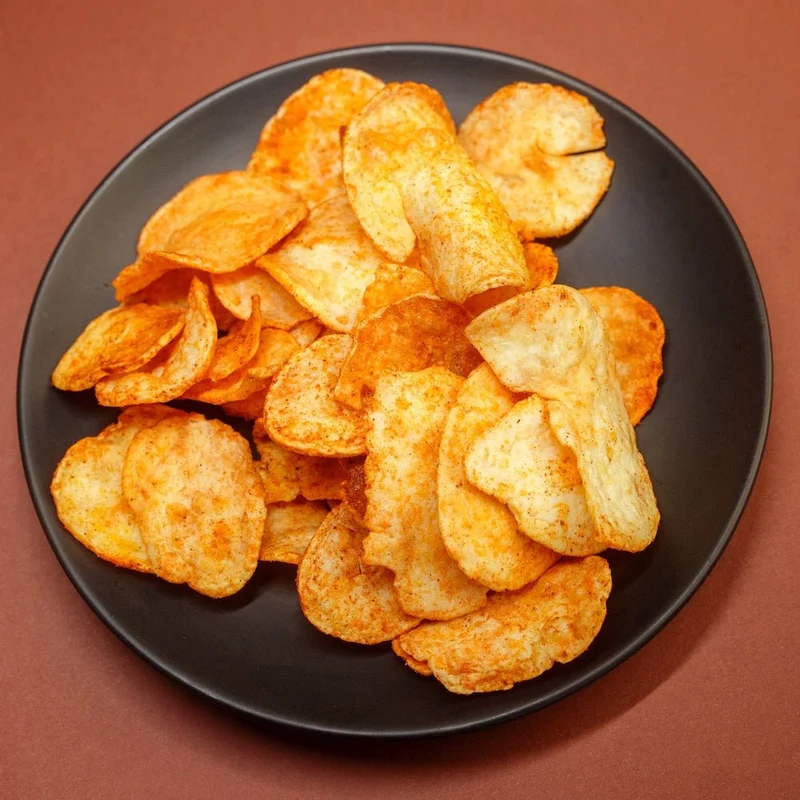
The global snack food and processed potato markets are experiencing unprecedented growth, driven primarily by rapidly changing consumer lifestyles, consequently accelerating urbanization, and furthermore an ever-increasing demand for convenient, ready-to-eat and ready-to-cook food products. As a result, setting up a commercial potato chips processing plant or an industrial frozen French fries processing line requires a deep, uncompromising understanding of food engineering, specifically potato chemistry, additionally thermal dynamics, and likewise high-efficiency drying technology. Moreover, carefully selecting the correct machinery, simultaneously managing oil degradation, continually optimizing water utilization, and subsequently ensuring precise moisture removal are critical factors that directly influence finished product crispiness, overall shelf life, eventually final color, and ultimately long-term operating profitability.
This comprehensive guide delivers an exceptionally in-depth technical analysis of potato processing plant engineering. Accordingly, it covers complete process flows for both potato chips and French fries, thoroughly examines batch versus continuous manufacturing paradigms, rigorously evaluates advanced oil management systems, detailedly outlines hygiene standards, and finally presents modern packaging methodologies. In addition, this guide provides an exhaustive breakdown of industrial drying technologies, thereby offering clear technical comparisons, operational parameters, and specifically precise recommendations regarding which dryer best suits specific potato applications. Indeed, proper machinery selection undoubtedly forms the structural backbone of every profitable commercial food manufacturing facility worldwide today. Therefore, understanding these core engineering fundamentals certainly gives processing plant owners a decisive competitive advantage in modern commercial food production.
1. Potato Agronomy & Raw Material Specifications
Before examining processing machinery in detail, plant operators first must acknowledge that raw material quality ultimately determines finished product standards. Indeed, not every potato variety naturally suits commercial crisping or French fry production. Therefore, processors must systematically establish strict raw material receiving protocols to consistently ensure operational efficiency, subsequently maximize factory throughput, and thus guarantee high product quality.
Key Quality Parameters for Processing Potatoes
-
Dry Matter Content (Solids Percentage): For potato chips specifically, raw potatoes must possess a dry matter content strictly between 20% and 23%. In contrast, for French fries, the optimal dry matter range extends further from 21% to 24%. Crucially, high dry matter significantly reduces oil absorption during frying, substantially increases production yield, noticeably lowers thermal energy consumption, and remarkably improves crisp texture. Owing to this, selecting proper high-solids cultivars undoubtedly enhances overall operational efficiency.
-
Reducing Sugars Level: Meanwhile, reducing sugars (such as glucose and fructose) must constantly remain below 0.1% to 0.15% on a fresh weight basis for potato chips, and strictly below 0.2% for French fries. Otherwise, high sugar content reacts rapidly with amino acids during high-temperature frying, thereby causing rapid Maillard browning, undesirably bitter burnt flavors, and dangerously elevated acrylamide formation. In light of this, strict sugar testing always remains essential.
-
Specific Gravity: Ideal specific gravity typically ranges from 1.080 to 1.095. In this context, specific gravity directly correlates with total dry matter content, correspondingly influencing processing yield, and finally finished product texture.
-
Physical Characteristics: Furthermore, tubers should feature an elongated shape for French fries to effectively minimize short-cut waste losses, whereas round, uniform tubers work best for potato chips. Moreover, tubers must remain completely free from greening (solanine development), additionally internal brown spots, likewise hollow heart defects, consequently mechanical bruising, and eventually premature sprout formation.
Raw Material Quality Testing Protocols
During raw potato receiving, technicians routinely execute strict quality testing on every arriving truckload. Specifically, inspectors test representative samples for a dry matter target of 20% to 24%, systematically verify that reducing sugar concentrations stay below 0.15%, and accurately measure specific gravity to ensure values fall strictly between 1.080 and 1.095. Consequently, only after successfully passing these rigorous tests do plant managers finally release raw batches directly to the primary washing and processing lines.
2. Complete Process Flow: Potato Chips Manufacturing
Potato chips processing inherently requires precise cutting, thorough starch removal, active moisture management, rapid high-temperature frying, and uniform seasoning application. As a result, each interconnected stage must operate continuously and smoothly to consistently maintain product quality across high-volume production runs.
Process Step Breakdown for Potato Chips
Raw Material Preparation & Washing
-
Destoning and Primary Washing: Initially, raw potatoes enter a rotary or heavy-duty stone removal unit. There, high-density stone catchers and water flotation tanks actively separate soil, clods, gravel, and heavy debris from the tubers. Consequently, this preliminary step effectively protects downstream equipment from severe mechanical abrasion and thus prevents premature wear. In addition, pre-washing noticeably reduces the bio-burden on downstream flume water systems.
-
Abrasive or Steam Peeling: Subsequently, operators convey tubers into continuous abrasive peeling rollers coated with silicon carbide. Alternatively, steam peelers expose potatoes to high-pressure steam (16 bar to 18 bar) for a short duration, thereby softening the skin prior to flash pressure release. As a direct result of precise timing, plant operators systematically maintain peeling loss strictly between 4% and 8%. Hence, overall raw material yield significantly improves over time.
-
Inspection and Sorting: Following skin removal, peeled potatoes pass along a roller inspection conveyor. Concurrently, manual operators or automated optical sorting machines actively remove greened, defective, or damaged tubers to ensure that only premium raw material subsequently proceeds to the cutting phase. Accordingly, downstream slice quality undoubtedly increases.
Slicing, Washing & Pre-Treatment
-
Precision Slicing: Next, cleaned potatoes feed directly into rotary centrifugal slicers equipped with stainless steel micro-adjustable blades. There, high-speed heads cut slices to a uniform thickness ranging from 1.2 mm to 1.7 mm for flat chips, or 1.5 mm to 2.2 mm for crinkle-cut chips. Accordingly, thickness uniformity always remains paramount for achieving consistent thermal transfer during frying. Furthermore, precise blade alignment substantially minimizes surface tearing on individual slices.
-
Starch Washing and De-starch Rinsing: In addition, slicing instantly releases surface starch granules from ruptured potato cells. Therefore, cold water wash flumes and rotary drum screens continuously strip away this surface starch. Otherwise, if operators do not thoroughly remove free starch, slices stick together inside the fryer and eventually form dark, gummy clusters; hence, thorough rinsing is absolutely vital. Additionally, washing noticeably clarifies frying oil over extended operational runs.
-
Blanching (Quality Dependent): Furthermore, slices with slightly higher sugar levels pass through a hot water blancher (65°C to 85°C for 1 to 3 minutes) to effectively leach out excess reducing sugars. Consequently, this step effectively prevents unwanted browning and thus ensures consistent target coloration. Meanwhile, controlled blanching simultaneously lowers acrylamide precursor levels in the finished crisps.
-
Surface Dewatering and Air Drying: Before entering the fryer, technicians must completely eliminate free surface water to avoid violent oil splashing and consequent high thermal energy loss. Thus, high-velocity air knives, likewise vibrating dewatering screens, or forced air belt dryers systematically reduce surface moisture by 8% to 12%. As a result, fuel consumption in the fryer burner substantially drops.
Thermal Processing, Seasoning & Packaging
-
Continuous Frying: Thereafter, dewatered slices feed uniformly into a continuous oil fryer. There, thermal systems process the chips at temperatures strictly between 165°C and 180°C for approximately 150 to 210 seconds. Meanwhile, precise flow paddles and submerger belts continuously ensure uniform product conveyance and thorough cooking. Consequently, every chip achieves a perfectly uniform golden color and crunch.
-
De-oiling: Immediately after frying, chips pass over a vibrating mesh belt equipped with bottom vacuum air suction. This process rapidly strips excess surface oil, thereby lowering overall fat content to a target range strictly between 32% and 36%. Furthermore, collected surface oil subsequently returns to the primary filtration loop for immediate reuse.
-
Flavoring and Seasoning: Following the de-oiling stage, hot chips enter a rotating coating drum. There, electrostatic or loss-in-weight powder feeders apply salt, spices, or custom flavor formulations at a controlled dosing rate of 4% to 8% by weight. As a result, every single chip consistently receives a uniform seasoning coating. In addition, tumbling action equally distributes fine seasonings into every crinkle fold.
-
Multi-Head Weighing and Packaging: Finally, seasoned chips move gently via electromagnetic vibratory feeders to multi-head combination weighers. Subsequently, these machines automatically fill nitrogen-flushed pillow pouches, which ultimately protects crispiness and permanently prevents oxidative rancidity over extended shelf storage. Concurrently, outer box case packers neatly package bags for final logistics distribution.
Continuous Operational Transitioning
In continuous operational terms, the sequence moves seamlessly from raw potato intake to destoning and washing, followed immediately by peeling, inspection, and precision slicing. Next, the cut slices move dynamically through starch washing, then dewatering, subsequently surface drying, thereafter continuous frying, immediately de-oiling, then rotational drum seasoning, and finally nitrogen-flushed packaging. Thus, total operational cycle time dramatically decreases.
3. Complete Process Flow: Frozen French Fries Manufacturing
Manufacturing frozen French fries (strips) inherently involves distinctly different thermal and drying steps compared to potato chips processing. In particular, par-frying and deep-freezing stages require careful engineering to consistently guarantee a crispy exterior and a fluffy, meal-like interior after final customer preparation.
Process Step Breakdown for French Fries
Initial Preparation & Cutting Operations
-
Destoning and Heavy Washing: To begin with, raw potatoes undergo turbulent water washing and gravel separation. Consequently, this process completely eliminates abrasive dirt, field debris, and rocks before mechanical processing starts. Thus, cutter blades consistently maintain sharp edges for much longer operational periods. In addition, soil separation significantly cleans facility washwater effluent.
-
Steam Peeling and Skin Separation: Furthermore, French fry lines predominantly utilize steam peeling. There, high-pressure steam rapidly loosens the outer skin, which rotating brush rollers subsequently scrub off. As a direct result, factories consistently achieve minimal yield loss of only 3% to 5%. Meanwhile, steam consumption strictly adapts based on potato tuber skin thickness.
-
Trim, Tail, and Defect Removal: Following skin removal, whole potatoes pass over length-sorting conveyors. Here, operators trim defects and specifically remove undersized tubers, thereby ensuring that only prime raw stock subsequently reaches the high-speed cutters. As a consequence, downstream product length distribution noticeably improves.
Cutting & Sizing Operations
-
Hydro-Cutting (Water Gun Cutting): Subsequently, high-pressure pumps move whole potatoes in a water slurry through pipe systems at velocities of 10 to 15 m/s. This drives them directly through fixed stainless steel grid blade blocks. Accordingly, this produces uniform strips with cross-sections typically measuring 7×7 mm (shoestring), 9×9 mm, 10×10 mm, or 12×12 mm. Furthermore, hydro-cutting significantly reduces mechanical damage to raw tissue compared to traditional mechanical slicers.
-
Mechanical Size Sorting: In addition, vibrating deck screeners rapidly separate short pieces, slivers, and nubbins from prime-length strips. Then, plant systems divert slivers and short cuts directly toward potato flake or hash brown processing lines, thereby maximizing raw material recovery. Consequently, overall factory utilization substantially increases.
Two-Stage Conditioning & Pre-Drying
-
Two-Stage Blanching:
-
Stage 1 (Enzyme Inactivation): First, strips pass through hot water at 80°C to 88°C for 8 to 15 minutes. This effectively inactivates polyphenol oxidase enzymes and simultaneously gelatinizes surface starch.
-
Stage 2 (Sugar Leaching & Color Control): Next, strips enter a lower temperature bath at 65°C to 75°C for 10 to 20 minutes to systematically leach out reducing sugars, thus ensuring a uniform golden color after final frying. Consequently, fry color always meets target specifications.
-
-
Dextrose and SAPP Dip: Immediately after blanching, strips pass through a dilute bath containing 0.2% to 0.5% dextrose (to effectively restore uniform surface sugar concentration for consistent color) and 0.5% Sodium Acid Pyrophosphate (SAPP). As a result, SAPP permanently prevents grey discoloration, commonly known as after-cooking darkening. In addition, the bath maintains consistent surface pH levels throughout operation.
-
Pre-Drying (Crucial Step): Afterwards, strips enter continuous multi-pass air dryers. There, controlled hot air (65°C to 85°C) systematically removes between 10% and 20% of internal moisture. Consequently, proper pre-drying creates a dense outer crust, effectively prevents soggy fries, and significantly minimizes oil pickup during par-frying. Thus, finished texture dramatically improves.
Par-Frying, Freezing & Final Packaging
-
Par-Frying: Following the pre-drying chamber, fryers partially cook strips in oil at 175°C to 195°C for a short duration (45 to 90 seconds). This short thermal step rapidly sets the surface starch crust while leaving the center partially cooked and fluffy. As a consequence, structural integrity is permanently locked in.
-
Pre-Cooling and De-oiling: Next, par-fried fries pass over a de-oiling shaker screen to rapidly remove surface fat. Subsequently, they enter ambient and chilled air cooling tunnels (15°C to 20°C) to systematically lower product temperature before entering the deep-freezing zone. Therefore, thermal stress inside the IQF freezer dramatically drops.
-
Individual Quick Freezing (IQF): Thereafter, strips enter a fluidized bed IQF freezing tunnel operating at -35°C to -40°C. There, high-velocity cold air freezes each French fry individually within 10 to 20 minutes, rapidly bringing core temperature down to -18°C. Consequently, this rapid process effectively prevents clumping and permanently maintains structural integrity.
-
Automated Weighing and Bagging: Ultimately, vertical form-fill-seal (VFFS) machinery packages frozen fries into multi-wall poly bags (ranging from 500g to 2.5kg or 10kg institutional packs). Then, operators transfer these finished units directly into cold storage at -20°C for distribution. Finally, palletizers automatically stack corrugated shipping boxes for freezer truck loading.
French Fry Processing Line Dynamics
From a structural process perspective, raw potatoes transition smoothly from destoning and steam peeling into hydro-cutting and sliver removal. Subsequently, the strips pass through two-stage blanching and SAPP dipping, followed by pre-drying, thereafter par-frying, then de-oiling, next IQF freezing at -38°C, ultimately automated packaging, and finally cold storage maintenance at -20°C.
4. In-Depth Industrial Dryers Guide: Technologies, Metrics & Applications
Drying undoubtedly stands as one of the most critical unit operations in modern snack and potato processing. Specifically, removing moisture efficiently directly impacts finished product crispiness, overall texture, subsequent oil absorption, structural rigidity, and ultimately plant energy expenditure. Consequently, selecting the proper dryer design always remains vital to operational profitability.
| Dryer Type | Target Product / Stage | Moisture Removal Range | Primary Advantages |
| Fluidized Bed Dryer | French Fries / Dehydrated | 85% down to 5-10% | High heat transfer, uniform drying |
| Multi-Pass Belt Dryer | French Fry Pre-Drying | 80% down to 60-65% | High throughput, gentle handling |
| Tray / Cabinet Dryer | Specialty / Pilot Batches | 80% down to 4-6% | Flexible, low capital cost |
| Rotary Drum Dryer | Potato Flakes & Pellets | 80% down to 6-8% | Continuous, high thermal efficiency |
| Flash / Pneumatic | Potato Starch Drying | 40% down to 10-12% | Instantaneous moisture flash-off |
| Vacuum Dryer | Low-Temp / Heat Sensitive | 80% down to 2-4% | No oxidation, preserves natural color |
| Dehumidified Air Dryer | High-Value / Raw Snacks | 75% down to 5-8% | Low energy, preserves heat-sensitive vitamins |
1. Fluidized Bed Dryer (FBD)
Working Principle & Design
The Fluidized Bed Dryer operates primarily by passing high-velocity hot air upward through a perforated distributor plate supporting a bed of wet potato particles or cut fries. When the upward air velocity precisely matches the gravitational force of the product, the solid particles suddenly become suspended in a fluid-like state. Consequently, this state of fluidization consistently ensures that every individual surface area comes into direct contact with the hot drying medium. Thus, drying efficiency substantially increases across the entire bed volume.
Detailed Technical Specifications
-
Operating Temperature: 60°C to 140°C (fully adjustable based on thermal sensitivity).
-
Air Velocity: 1.5 m/s to 3.5 m/s depending on particle density and size.
-
Thermal Efficiency: 65% to 78%.
-
Evaporative Capacity: 50 kg/h to 3,000 kg/h of water removal.
Suitable Products & Specific Applications
-
Best Suited For: Dehydrated potato cubes, likewise potato shreds, additionally potato granules, and specifically pre-drying uniform French fry cuts.
-
Why it excels: Fluidization provides exceptionally high heat transfer coefficients (100 to 250 W/m²K). As a result, it effectively prevents localized scorching while simultaneously ensuring rapid, uniform moisture removal without structural clumping. In addition, capital operating costs remain highly competitive.
Airflow Dynamics & Material Movement
Operationally, heated air enters directly from the bottom air inlet chamber, then rises through the perforated distributor plate, subsequently fluidizes the suspended potato product zone to maximize heat transfer, and finally exhausts cleanly through top-mounted discharge outlets. Consequently, moisture carry-over is completely eliminated.
2. Multi-Pass Conveyor / Belt Dryer
Working Principle & Design
A Continuous Multi-Pass Belt Dryer consists mainly of multiple stacked horizontal woven wire mesh or perforated plate conveyors housed inside an insulated thermal enclosure. First, an oscillating spreader evenly distributes wet product onto the top belt. As the top belt moves forward, the product subsequently falls onto the lower reversing belt, thereby providing thorough mixing and continuously exposing fresh surface area. Meanwhile, centrifugal fans recirculate heated air vertically down through or up across the product bed. Accordingly, moisture drops evenly.
Detailed Technical Specifications
-
Operating Temperature Zone 1: 85°C to 105°C (High initial moisture stage).
-
Operating Temperature Zone 2/3: 65°C to 75°C (Finishing/falling rate drying stage).
-
Number of Passes/Decks: 3-tier, 5-tier, or 7-tier configurations.
-
Retention Time: 15 minutes to 120 minutes (controlled via variable speed drives).
-
Thermal Efficiency: 70% to 82% when fitted with heat recovery exchangers.
Suitable Products & Specific Applications
-
Best Suited For: Industrial French Fry Pre-Drying prior to par-frying, additionally high-capacity potato chips dewatering, likewise extruded potato pellets, and specifically potato slice dehydration.
-
Why it excels: It handles massive volumetric throughputs (1,000 kg/h to 15,000 kg/h) with minimal mechanical shear. Specifically, in French fry production, removing 10% to 18% of surface and bound water in a multi-pass belt dryer before par-frying noticeably reduces oil absorption by up to 25%. Therefore, finished fry crunchiness is greatly enhanced.
Conveyor Deck Flow Mechanisms
Material flows continuously inside the cabinet, entering the top deck conveyor, cascading downward onto middle reversing decks, and ultimately discharging onto the final bottom conveyor stage for precise moisture control. Consequently, thermal efficiency always stays optimal.
3. Industrial Tray / Cabinet Dryer
Working Principle & Design
The Tray or Cabinet Dryer functions primarily as a batch-operated insulated enclosure containing racks of removable perforated trays. There, centrifugal blowers pass air over electric, steam, or gas heat exchanger coils and subsequently recirculate it across the trays. Furthermore, adjustable damper vents systematically purge moisture-laden air while drawing in fresh makeup air to maintain high drying efficiency. Thus, humidity levels are precisely controlled.
Detailed Technical Specifications
-
Operating Temperature: 50°C to 110°C.
-
Tray Capacity: 12, 24, 48, 96, or 192 trays per cabinet.
-
Batch Capacity: 50 kg/batch to 1,000 kg/batch.
-
Drying Duration: 4 hours to 14 hours per batch.
Suitable Products & Applications
-
Best Suited For: R&D pilot plants, likewise specialty flavored potato chips, specifically small-scale artisan chips producers, and additionally low-volume dehydrated potato specialty items.
-
Why it excels: It offers low capital cost and maximum operational flexibility for processing multiple small-batch recipes without cross-contamination. However, it cannot support high-volume continuous French fry or chips production due to high labor requirements and non-uniform airflow across large tray stacks. Nevertheless, for niche testing, it remains undoubtedly ideal.
4. Continuous Rotary Drum Dryer
Working Principle & Design
Rotary Drum Dryers consist mainly of a large, inclined, rotating cylindrical shell equipped with internal flight lifters. As the shell rotates, internal flights continuously lift wet potato solids and shower them through a co-current or counter-current stream of hot combustion gases or heated air. Alternatively, for thin slurry feeds (such as potato flakes), single or double steam-heated drums roll over liquid film, instantly evaporating moisture from the drum surface. Consequently, dry sheet formation occurs rapidly.
Detailed Technical Specifications
-
Drum Steam Pressure: 6 bar to 10 bar (Internal drum temperature ~150°C to 175°C).
-
Drum Rotation Speed: 2 RPM to 10 RPM.
-
Evaporation Rate: 20 kg/m²h to 45 kg/m²h.
-
Final Product Moisture: 6% to 8%.
Suitable Products & Applications
-
Best Suited For: Potato Flake Manufacturing, additionally potato powder, likewise reconstituted potato starch processing, and specifically potato byproduct upcycling.
-
Why it excels: Drum dryers transform cooked, mashed potato slurry into thin, dry sheets within seconds (retention time: 10 to 30 seconds). Then, scraper blades remove the sheet, which cutters subsequently mill into flakes for reconstituted potato chips (such as fabricated stackable chips) and bakery ingredients. Thus, throughput is exceptionally high.
5. Flash / Pneumatic Dryer
Working Principle & Design
A Flash or Pneumatic Dryer is an ultra-rapid, continuous drying system designed specifically for fine, dispersed solids. First, a high-velocity stream of hot air inside a vertical drying duct receives the wet material. Consequently, moisture flash-off occurs within 1 to 3 seconds while air currents pneumatically convey particles upward into high-efficiency cyclone separators and bag filters. As a result, separation happens almost instantly.
Detailed Technical Specifications
-
Inlet Air Temperature: 150°C to 250°C.
-
Outlet Air Temperature: 70°C to 90°C.
-
Air Velocity inside Pipe: 18 m/s to 28 m/s.
-
Drying Time: 0.5 seconds to 3 seconds.
-
Thermal Efficiency: 75% to 85%.
Suitable Products & Applications
-
Best Suited For: Native potato starch, additionally modified potato starch, and specifically high-purity potato flour.
-
Why it excels: Instantaneous moisture flash-off completely prevents thermal degradation, thereby preserving native starch structure, subsequently solubility, and ultimately functional viscosity. However, extreme conveying velocities make it unsuited for solid cuts like chips or fries. Regardless, for powders, it is unquestionably superior.
Pneumatic Flash Operation
The process flow injects wet starch feed directly into an ultra-fast hot air stream inside a vertical drying duct, thereby completing thermal evaporation within 1 to 3 seconds before finally collecting dry powder via centrifugal cyclone separators. Consequently, product purity remains exceptionally high.
6. Vacuum Dryer & Vacuum Belt Dryer
Working Principle & Design
Vacuum Drying operates specifically under sub-atmospheric pressure conditions (10 mbar to 100 mbar). Lowering ambient pressure significantly reduces the boiling point of water (down to 40°C to 60°C). As a result, product rests on heated vacuum shelves or moves continuously along a vacuum belt while moisture evaporates gently at low temperatures without atmospheric oxidation. Hence, delicate flavors are completely preserved.
Detailed Technical Specifications
-
Operating Vacuum Level: 5 mbar to 50 mbar.
-
Heating Medium: Hot water or low-pressure steam (45°C to 85°C).
-
Moisture Evaporation Temperature: 35°C to 55°C.
-
Residual Moisture Level: Below 3%.
Suitable Products & Applications
-
Best Suited For: High-value low-fat potato chips, likewise vacuum-cooked colored potato slices (e.g., purple or red heirloom potato varieties), and specifically premium nutritional potato snacks.
-
Why it excels: It completely prevents Maillard browning, effectively preserves original natural colors, furthermore prevents nutrient damage, and finally eliminates oil oxidation. Therefore, target quality is always achieved.
7. Heat Pump / Dehumidified Air Dryer
Working Principle & Design
Heat Pump Dryers utilize a closed-loop refrigeration system combined directly with an insulated drying chamber. First, moist, warm air leaving the drying chamber passes over an evaporator coil where it cools below its dew point, thereby forcing moisture to condense out as liquid water. Subsequently, the dry, cold air passes through a condenser coil where waste thermal energy reheats it before it recirculates back through the product bed. Thus, latent heat is fully recovered.
Detailed Technical Specifications
-
Operating Temperature: 35°C to 60°C.
-
Specific Energy Consumption: 0.2 kWh/kg to 0.4 kWh/kg of water removed (up to 60% energy savings compared to open air heaters).
-
Relative Humidity inside Chamber: Adjustable down to 10% RH.
Suitable Products & Applications
-
Best Suited For: Heat-sensitive specialty potato items, additionally raw non-fried potato snacks, likewise dehydrated potato ingredient cuts, and specifically energy-conscious processing facilities.
-
Why it excels: It delivers maximum thermodynamic efficiency by recovering latent heat from moisture condensation, thereby providing high air drying capacity without damaging heat-sensitive nutritional compounds. Consequently, utility costs remain exceptionally low.
5. Comparative Analysis: Dryer Selection Matrix
Selecting the appropriate drying technology directly influences product yield, thermal efficiency, capital expenditure, and ultimately finished product quality. Consequently, processors must carefully match their specific production requirements with the correct drying platform.
| Dryer Type | Primary Application | Best Moisture Range | Energy Demand | CapEx Level | Product Impact |
| Fluidized Bed | Dices, Shreds, Granules | 85% down to 5% | Medium-High | Medium | Uniform, non-clumping |
| Multi-Pass Belt | French Fry Pre-Drying | 80% down to 60% | Low-Medium | High | Protects shape, crisp crust |
| Drum Dryer | Potato Flakes | 80% down to 6% | High | Medium-High | Instant gelatinization |
| Flash Dryer | Potato Starch | 40% down to 10% | Very Low | Medium | Preserves starch structure |
| Vacuum Dryer | Low-Temp / Rare Chips | 80% down to 3% | Low | Very High | No oxidation / browning |
| Heat Pump | Specialty Raw Dehydration | 75% down to 5% | Ultra Low | High | Preserves nutrition & color |
Recommendation Summary for Processors
-
For French Fry Processing Plants: The Multi-Pass Conveyor / Belt Dryer unquestionably remains the industry standard for pre-frying moisture reduction, specifically combined with Fluidized Bed Dryers for processing byproduct cuts or dehydrated side-streams. Thus, plant efficiency is fully maximized.
-
For Potato Flake & Fabricated Chips Lines: The Steam-Heated Rotary Drum Dryer is always the required choice for flaking slurry. Consequently, continuous drum sheet formation is reliably maintained.
-
For Starch Extraction & Recovery Lines: The continuous high-velocity Flash Dryer consistently provides the fastest, safest moisture flash-off for fine starch powders. Therefore, starch functionality is completely preserved.
-
For Low-Fat & Premium Specialty Crisps: Vacuum Belt Dryers or Dehumidified Heat Pump Dryers always provide premium quality without thermal scorching or color degradation. Hence, premium consumer appeal remains exceptionally high.
6. Batch versus Continuous Production Systems
When engineering a commercial potato processing plant, choosing between batch manufacturing and continuous automated lines depends heavily on projected market demand, available capital budget, subsequent labor costs, and specifically floor space footprint.
| Parameter | Batch Processing System | Continuous Automated Line |
| Target Plant Capacity | 50 kg/h to 300 kg/h | 500 kg/h to 10,000 kg/h |
| Capital Investment | Low ($25,000 – $100,000) | High ($250,000 – $5,000,000+) |
| Labor Requirement | High manual operational oversight | Low (Automated PLC/SCADA supervisory) |
| Process Flexibility | High (Easy recipe switching) | Dedicated (Designed for continuous throughput) |
| Oil Turnover Rate | Slow (Higher oxidation risk) | Fast (Fresh oil top-up every 4-8 hours) |
| Product Consistency | Slight batch-to-batch variation | Strict consistency via inline sensors |
| Space Requirement | Compact, flexible layout | Large lineal footprint requirement |
Batch Systems (Kettle Chips Focus)
Batch fryers suit low-capacity plants or hard-bite “Kettle Cooked” chips specifically. In practice, operators drop raw batch slices into a deep oil bath at 150°C. Then, cold slices rapidly drop the oil temperature to ~120°C before thermal heaters drive temperature back up to 165°C. Consequently, this signature temperature recovery curve specifically creates the distinctive thick, crunchy texture of kettle chips. Thus, niche artisan appeal is consistently generated.
Continuous Systems (High-Throughput Focus)
In contrast, continuous processing lines utilize automated PLC control loops, multi-zone thermal management, inline dynamic frying, and automated oil turnover. There, automated systems continuously meter slices or French fry cuts into one end of a long frying tank and convey them out via variable-speed flight belts. As a result, continuous operation completely eliminates thermal fluctuations, substantially lowers fuel consumption per ton of finished product, and consistently ensures strict product uniformity. Therefore, overall operational margins substantially improve.
7. Deep Frying Technologies & Thermal Oil Management
Frying represents far more than simple heat application; specifically, it is a complex heat and mass transfer process where thermal energy rapidly evaporates internal water, thereby driving moisture out through capillaries while oil simultaneously enters the surface pores of the food matrix. Consequently, managing oil quality always remains critical to systematically preventing rancidity, off-flavors, and health hazards.
Oil Recirculation Mechanics
The oil circulation loop continuously pumps cooking oil through dynamic paper and centrifugal filters, then sends it through remote shell-and-tube heat exchangers to restore temperature, and finally systematically returns fresh, filtered oil into the continuous frying tank. Consequently, oil stability is permanently preserved.
Thermal Oil Management Best Practices
-
Indirect Heating vs Direct Heating: Modern industrial fryers intentionally avoid direct flames under the frying pan to effectively prevent localized hot spots. Instead, a remote high-efficiency boiler heats thermal oil (heat transfer fluid) and continuously circulates it through an external shell-and-tube or plate heat exchanger, thereby heating the cooking oil precisely without localized burning. Thus, heat degradation drops dramatically.
-
Continuous Micro-Filtration: Pumps actively push cooking oil through automatic paper bed filters, mesh screens, or high-speed centrifugal separators. This continuous filtration effectively removes fine starch particulates and burnt food crumbs down to 10 microns, thereby preventing oil darkening and off-flavor development. Consequently, oil clarity remains remarkably high over time.
-
Free Fatty Acid (FFA) & Total Polar Compounds (TPC) Control: Cooking oil degrades over time through hydrolysis, additionally oxidation, and likewise polymerization. Therefore, plant operators must strictly maintain FFA levels below 0.5% (as oleic acid), while Total Polar Compounds (TPC) must never exceed 24%. In doing so, food safety compliance is strictly met.
-
Rapid Oil Turnover Rate: Plant engineers calculate oil turnover time by dividing total system oil volume by hourly oil consumption. Typically, ideal turnover times range from 4 to 8 hours. At this rapid rate, fresh makeup oil enters continuously, thereby maintaining oil stability indefinitely without full batch disposal. Hence, oil waste is virtually eliminated.
-
Vacuum Frying Technology: For heat-sensitive or high-sugar potato varieties, vacuum frying operates specifically under reduced atmospheric pressure (20 to 50 mbar) at low oil temperatures (110°C to 130°C). Consequently, this dramatically suppresses acrylamide formation by up to 90%, noticeably reduces oil breakdown, and effectively preserves vibrant natural product colors. Thus, nutritional value is significantly higher.
8. Automation, Quality Control & Plant Hygiene (CIP)
Modern potato processing plants rely heavily on integrated automation and high-grade sanitary standards to consistently meet strict global food safety requirements (such as HACCP, ISO 22000, and FDA standards). Consequently, automated plant hygiene undoubtedly forms a non-negotiable pillar of modern commercial factory management.
PLC/SCADA Automation Integration
Continuous processing plants utilize central Programmable Logic Controllers (PLC) linked directly to Supervisory Control and Data Acquisition (SCADA) interfaces. There, inline infrared sensors continuously measure moisture and fat levels after frying or drying. If moisture levels rise above 2.0% in potato chips, the SCADA system automatically transmits signals to adjust fryer speed or burner heat output in real time. As a result, product out-of-spec incidents are virtually eliminated.
Optical Sorting Systems
High-speed digital camera optical sorters operate effectively at two critical points:
-
Post-Slicing/Cutting: High-resolution cameras inspect passing slices or strips at speeds up to 150 m/min, thereby triggering high-pressure air jets to instantly blast away discolored pieces, green skin, or dark spots. Consequently, cut strip defect counts drop dramatically.
-
Post-Frying: Optical sorters rapidly eject over-cooked, folded, or blemished finished chips prior to packaging. Thus, final bag defect rates stay exceptionally low.
Cleaning-in-Place (CIP) Architecture
Equipment hygiene requires automated Clean-in-Place (CIP) systems. Specifically, stainless steel frying hoods, belt conveyors, blanchers, and dryers feature integrated CIP spray nozzles. At the end of a production run, the system automatically executes a multi-stage wash sequence:
-
Warm water rinse (55°C) to rapidly flush loose particulates.
-
Heated caustic wash (1.5% to 2.0% Sodium Hydroxide at 75°C to 80°C) to effectively saponify fats and completely remove baked-on oil deposits.
-
Intermediate fresh water rinse to thoroughly clear caustic residue.
-
Acid sanitizing wash (0.5% Nitric/Phosphoric acid blend) to systematically remove mineral scale.
-
Final demineralized water rinse and consequent air dry blowdown. Thus, full sanitary readiness is reliably achieved.
9. Packaging Formats & Shelf-Life Extension
Packaging represents the final critical barrier protecting product quality against atmospheric moisture ingress, consequent oxygen oxidation, and physical breakage during transit. Therefore, selecting high-barrier packaging technology always remains imperative.
Potato Chips Packaging: Vertical Form-Fill-Seal (VFFS)
-
Multi-Head Combination Weighers: High-speed 14-head or 24-head combination weighers dispense exact target weights into VFFS baggers at speeds reaching 80 to 180 bags per minute per tube. Consequently, packaging speed perfectly matches continuous fryer throughput.
-
Modified Atmosphere Packaging (MAP): Nitrogen flushing is absolutely essential for potato chips packaging. Specifically, technicians must reduce oxygen content inside the sealed pillow pouch strictly below 1.0% (ideally <0.5%) by continuously flushing food-grade Nitrogen gas. Consequently, this effectively prevents fat oxidation, substantially extends shelf life up to 6 to 12 months, and finally provides a protective gas cushion that reliably prevents chip breakage during shipment.
-
Laminate Film Structures: High-barrier metallic packaging films (e.g., PET / Met-PET / Polyethylene) effectively prevent water vapor transfer rates (WVTR < 1.0 g/m²/day) and likewise block light transmission. Thus, product freshness is permanently locked in.
Frozen French Fries Packaging
-
Bulk Poly Bagging: Specialized cold-environment VFFS machinery packages par-fried frozen French fries in heavy-gauge polyethylene bags (500g to 10kg) operating directly inside low-temperature packaging rooms (2°C to 5°C). Consequently, condensation inside bags is completely avoided.
-
Automated Outer Carton Packing: Sealed bags pass sequentially through checkweighers, metal detectors, and X-ray inspection systems before automated machinery finally loads them into corrugated shipping cartons and subsequently palletizes them for cold storage transfer. Hence, secondary packaging speed is exceptionally fast.
10. Plant Capacity Options & Utility Requirements
Plant profitability depends largely on matching equipment scale with regional potato supply chains and subsequent market distribution capacity. Below, technically validated plant sizing options are presented along with primary utility consumption ratios.
| Line Type | Raw Input (Potatoes) | Finished Product Output | Yield Ratio |
| Small Scale Potato Chips | 500 kg/h | 125 kg/h to 135 kg/h | ~ 1 : 0.25 |
| Medium Scale Chips | 2,000 kg/h | 500 kg/h to 540 kg/h | ~ 1 : 0.26 |
| Industrial Chips Line | 6,000 kg/h | 1,500 kg/h to 1,620 kg/h | ~ 1 : 0.27 |
| Medium Frozen Fries Line | 2,500 kg/h | 1,250 kg/h to 1,350 kg/h | ~ 1 : 0.52 |
| Mega Frozen Fries Line | 10,000 kg/h | 5,000 kg/h to 5,400 kg/h | ~ 1 : 0.53 |
Essential Utility Consumption Benchmarks
-
Electrical Power Demand: Typically, approximately 110 kWh to 180 kWh per ton of finished potato chips; whereas 80 kWh to 140 kWh per ton of frozen French fries is required.
-
Thermal Energy (LPG/Natural Gas/Diesel): Specifically, requires ~3.5 to 5.0 GJ per ton of finished product depending directly on raw moisture levels and subsequent heat recovery integration.
-
Process Fresh Water Requirement: Generally, 4.0 to 7.0 m³ per ton of raw potato throughput. Furthermore, implementing water recycling loop micro-filtration can dramatically reduce fresh water consumption by up to 60%. Consequently, operational utility costs drop substantially.
-
Wastewater Treatment (ETP): Wastewater inherently contains high levels of suspended solids and biological oxygen demand (BOD) due to washed starch. Therefore, processing plants must always incorporate an Effluent Treatment Plant (ETP) featuring starch recovery cyclones, then primary settling clarifiers, subsequently anaerobic digesters, and finally aerobic activated sludge systems. Thus, environmental regulations are fully satisfied.
11. Conclusion & Technical Summary
Establishing a high-efficiency potato processing plant ultimately requires precise machinery selection, thorough process control, robust thermal design, and highly effective moisture removal. Whether manufacturing thin continuous potato chips or crisp frozen French fries, every processing stage—from initial destoning through slicing, then blanching, subsequently pre-drying, thereafter frying, and finally MAP packaging—must operate smoothly and continuously.
In particular, selecting the correct industrial dryer is undoubtedly crucial for overall operational profitability. Specifically, implementing advanced multi-pass conveyor dryers for French fry pre-drying, likewise high-efficiency fluidized bed dryers for cut solids, additionally steam drum dryers for flakes, or specialized vacuum/heat pump dryers for premium snacks effectively minimizes energy consumption, substantially reduces oil absorption, and guarantees superior texture. Coupled with automated CIP systems, precise oil filtration, dynamic PLC integration, and high-barrier nitrogen packaging, modern potato processing plants consistently achieve exceptional yields, uniform product quality, and ultimately maximum long-term market profitability.
Engineering Consultation & Turnkey Project Solutions
Are you planning to establish a state-of-the-art Potato Chips Processing Plant, a Frozen French Fries Line, or upgrade your industrial drying infrastructure?
GENEX Tech Industries LLP is a global leader in food engineering, processing machinery manufacturing, and advanced thermal drying systems. We deliver complete, custom-engineered turnkey solutions—from raw material handling and automated frying lines to high-efficiency industrial dryers and automated packaging integration.
Contact our senior process engineers today to receive detailed plant layouts, custom capacity proposals, and technical consultations tailored to your production targets:
-
Head Office Address:
GENEX Tech Industries LLP
10C, Sir William Jones Sarani (Middleton Row), Park Street,
Kolkata – 700071, West Bengal, India
-
Direct Phone / WhatsApp Contact:
+91-97489 06968 | +91-93300 77417
-
Official Business Email:
mktg@foodtechprojects.com | sales@foodtechprojects.com
-
Official Company Websites: