Executive Summary & Regional Industrial Overview
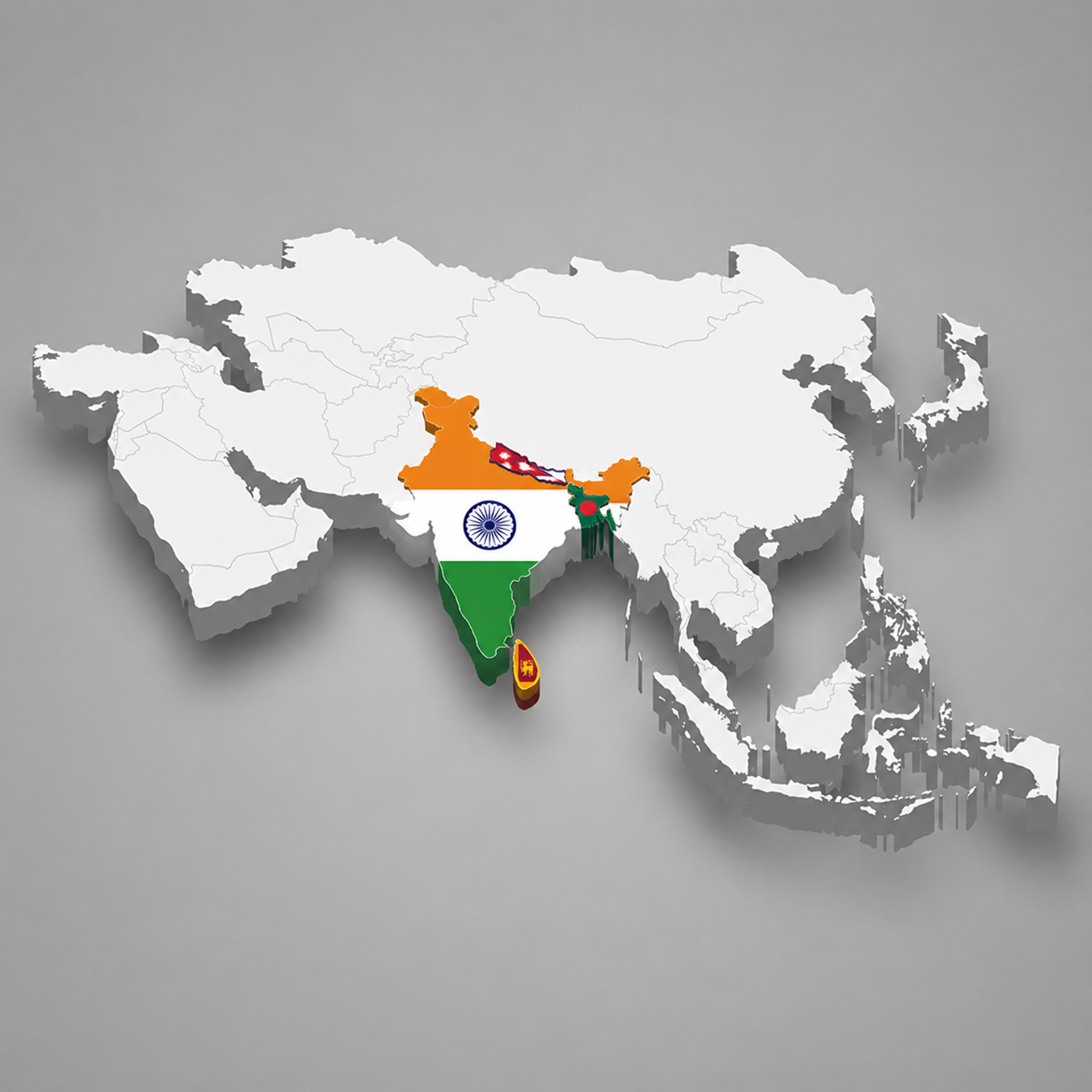
To begin with, the rapidly expanding industrial, chemical, food processing, and agricultural sectors across South Asia demand high-efficiency, highly robust thermal dehydration equipment today. Consequently, food processors, agro-industrialists, chemical manufacturers, and waste-to-value enterprises across the region constantly encounter distinct climatic conditions, varying raw material moisture profiles, and rapidly evolving global export standards. Therefore, selecting the correct drying technology ultimately ensures superior finished product quality, maximizes daily operational throughput, and drastically minimizes thermal utility consumption across all processing facilities.
Furthermore, rising fuel costs and increasingly stringent environmental regulations actively force industrial processors to adopt fully energy-optimized thermal systems. For instance, high relative humidity levels across coastal and tropical processing zones strictly require specialized dehumidification and condensation drying technologies. Conversely, high-altitude processing centers explicitly require precise thermal control to process delicate medicinal herbs, regional spices, and organic tea without destroying heat-sensitive active ingredients in the process.
As a direct result of these diverse regional demands, GENEX Tech Industries LLP specifically engineers custom thermal processing solutions tailored for South Asian operational environments. Subsequently, this comprehensive technical guide fully breaks down 17 key drying technologies, detailing their mechanical principles, key operating parameters, embedded visual demonstrations, and targeted product suitability for regional industrial applications.
1. Band Dryer (Industrial Conveyor Band Dryer)
Mechanical Design & Detailed Operation
First and foremost, band dryers perform continuous multi-pass thermal dehydration to deliver maximum production efficiency across regional operations. Initially, wet raw material enters the primary drying chamber via an automated spreading unit, whereupon high-capacity system blowers continuously circulate heat uniformly across the moving product bed. As a direct result of this engineered design, this uniform thermal distribution effectively prevents surface hardening while simultaneously preserving the internal cellular structure of sensitive materials.
Subsequently, controlled ventilation loops efficiently manage exhaust moisture to lower overall fuel consumption. Meanwhile, automated sensor feedback loops dynamically adjust belt speed and residence times to achieve precise target moisture reduction. Therefore, heavy-duty structural engineering minimizes routine maintenance requirements, while advanced digital controls reliably maintain internal temperature stability within ±1°C throughout the entire processing cycle. In addition, multi-zone heating controls allow operators to set customized temperature gradients across initial, intermediate, and final drying stages. Consequently, product quality remains perfectly consistent from batch start to project completion, thereby optimizing overall plant yield.
Watch Equipment Demonstration: Band Dryer Operational Video
Key Technical Parameters
-
Thermal Efficiency: 75% to 85%
-
Operating Temperature: 50°C to 160°C
-
Evaporation Capacity: 100 kg/hr to 10,000 kg/hr
-
Residence Time: 15 minutes to 4 hours
Regional Applications in South Asia
-
Coastal & Island Operations: Dehydrates desiccated coconut and tea, thereby easily mitigating high ambient humidity to satisfy strict global export standards.
-
Large-Scale Processing Facilities: Continuously processes high volumes of snack pellets and dehydrated vegetables for commercial food production.
-
High-Altitude Agricultural Markets: Efficiently dries mountain ginger and garlic, essentially preserving natural aromatic compounds and active heat-sensitive ingredients.
2. Combination Fluid Bed Dryer
Mechanical Design & Detailed Operation
In comparison to standard static units, multi-stage combination fluid bed dryers seamlessly integrate tray circulation with final-stage fluidization. Initially, wet product enters the system and systematically moves across internal tray levels before entering the main fluidization zone. Next, high-velocity air streams lift and suspend the particles, completely exposing every individual surface area to heated air streams.
As a direct consequence of this two-stage process, controlled exhaust recirculation loops effectively capture waste heat to reduce overall fuel overheads dramatically. Additionally, automated sensors track moisture levels continuously and adjust internal residence times dynamically. Consequently, the system stabilizes operating temperatures within minutes of startup and strictly controls heat fluctuations within ±1°C. Furthermore, the combination mechanism prevents particle agglomeration during early moist phases. Thus, granular products achieve uniform drying without lump formation, ultimately ensuring rapid fluidization during final discharge.
Watch Equipment Demonstration: Combination Fluid Bed Dryer Video
Key Technical Parameters
-
Thermal Efficiency: 80% to 88%
-
Operating Temperature: 40°C to 120°C
-
Evaporation Capacity: 200 kg/hr to 5,000 kg/hr
-
Residence Time: 10 minutes to 45 minutes
Regional Applications in South Asia
-
Spice & Essential Oil Processing: Efficiently dries cinnamon powder and herbal extracts while successfully preserving volatile essential oils.
-
Commercial Pharmaceutical Facilities: Reliably processes active pharmaceutical ingredients (APIs), pharmaceutical granules, and commercial starches.
-
High-Value Botanical Markets: Carefully preserves medicinal herbs and premium spice granules harvested across remote agricultural regions.
3. Continuous Thin Film Dryer (TFD)
Mechanical Design & Detailed Operation
Furthermore, high-speed agitator continuous thin film dryers specifically handle viscous slurries, chemical pastes, and dense liquid extracts. Mechanically, high-speed rotor blades continuously spread incoming liquid feed into an ultra-thin, highly turbulent film against the inner heated wall of the cylindrical shell.
Because of this intense thin-film action, the unit drives rapid heat transfer and rapidly evaporates volatile moisture in a matter of seconds. Thus, short thermal exposure reliably protects heat-sensitive compounds from thermal degradation. Furthermore, continuous scraping action prevents wall fouling completely, while sealed construction safely contains fine particulates and solvent vapor. As a result, processors achieve continuous output with minimal downtime for cleaning. Ultimately, this leads to significantly lower operating costs and higher yield recovery across dense chemical slurries.
Key Technical Parameters
-
Thermal Efficiency: 85% to 95%
-
Operating Temperature: 60°C to 200°C
-
Evaporation Capacity: 50 kg/hr to 3,000 kg/hr
-
Residence Time: 5 seconds to 30 seconds
Regional Applications in South Asia
-
Chemical Manufacturing Operations: Efficiently recovers industrial dyes and processes thick chemical pastes for specialty chemical plants.
-
Zero Liquid Discharge Plants: Routinely operates in Zero Liquid Discharge (ZLD) systems and active pharmaceutical ingredient (API) processing facilities.
-
Fruit & Botanical Extraction: Continuously concentrates regional fruit purees and botanical extracts without destroying natural flavor profiles.
4. Drum Dryer (Single & Double Drum Dryer)
Mechanical Design & Detailed Operation
Similarly, conductive contact drum dryers utilize internal steam heating and exterior doctor blades to dry liquid feed slurries into dry flakes or powders. During operation, the rotating drum dips into a feed tray or continuously receives a liquid spray, thereby creating a thin layer of wet material on the hot drum surface.
As the drum completes its rotation, conductively transferred heat rapidly evaporates internal moisture. Next, precision doctor blades scrape off the dried sheet immediately before the drum surface returns to the liquid pool. Meanwhile, internal condensate removal systems maintain peak thermal transfer rates across the drum surface continuously. In addition, dual drum configurations allow precise gap adjustments for controlling film thickness. Therefore, the resulting flake size and density remain strictly uniform throughout continuous shifts.
Key Technical Parameters
-
Thermal Efficiency: 80% to 90%
-
Operating Temperature: 110°C to 160°C
-
Evaporation Capacity: 100 kg/hr to 4,000 kg/hr
-
Residence Time: 5 seconds to 30 seconds
Regional Applications in South Asia
-
Food Processing Operations: Successfully produces pre-gelatinized starches and instant baby food cereals.
-
Distillery & Beverage Facilities: Routinely recovers solids from distillery spent wash and processes malted beverage ingredients.
-
Agricultural Byproduct Operations: Efficiently converts potato slurries into flakes and processes dairy whey byproducts.
5. Flash Dryer (Pneumatic Flash Dryer)
Mechanical Design & Detailed Operation
In contrast to slow batch systems, pneumatic flash dryers instantly strip surface moisture from fine, free-flowing powders. First, high-velocity hot air streams inject directly into the vertical drying duct, instantly carrying wet feed upward through the drying column.
Due to the high surface area contact between particles and hot air, flash evaporation occurs almost instantaneously. Afterward, high-efficiency cyclones and bag filters separate the dried powder from the humid exhaust air stream. Therefore, extremely short exposure times consistently preserve product color and chemical integrity. Consequently, thermal degradation is virtually eliminated even at high inlet air temperatures. Furthermore, continuous pneumatic transport minimizes overall plant space requirements while maximizing hourly output volume.
Key Technical Parameters
-
Thermal Efficiency: 75% to 85%
-
Operating Temperature: 150°C to 450°C
-
Evaporation Capacity: 500 kg/hr to 20,000 kg/hr
-
Residence Time: 0.5 seconds to 3 seconds
Regional Applications in South Asia
-
Commercial Starch Processing: Rapidly dries cassava and wheat starches to satisfy strict commercial food standards.
-
Mineral & Biomass Facilities: Efficiently processes tapioca starch, kaolin clay, and Distillers Dried Grains with Solubles (DDGS).
-
Industrial Flour & Fiber Mills: Effectively converts native root flours and wood pulp into dry industrial powders.
6. Energy-Saving Drying Machine (Heat Pump Dehumidifier)
Mechanical Design & Detailed Operation
Additionally, closed-loop heat pump dehumidifiers operate on thermodynamic condensation cycles to extract moisture without venting thermal energy outdoors. Specifically, the system passes warm, moist air over an evaporator coil, quickly cooling the air past its dew point to condense liquid water out of the air loop.
Subsequently, the system routes the chilled air over a condenser coil, reheating it fully before reintroducing it back to the main drying chamber. This closed cycle recycles latent heat remarkably well. As a result, it drastically reduces overall electricity consumption compared to direct electric or fossil-fuel systems. Furthermore, low operating temperatures prevent color fading in high-value botanical products. Consequently, heat-sensitive volatile oils remain fully intact throughout the gentle drying process.
Key Technical Parameters
-
Thermal Efficiency: COP 3.5 to 4.5
-
Operating Temperature: 30°C to 65°C
-
Evaporation Capacity: 15 L/hr to 500 L/hr moisture removal
-
Residence Time: 2 hours to 24 hours
Regional Applications in South Asia
-
High-Value Spices: Gently dehydrates premium vanilla pods, nutmeg, and specialty spices under low thermal stress.
-
Specialty Tea & Marine Processing: Cleanly dries artisan teas and ocean fish while maintaining strict hygienic control.
-
Bio-Active Botanicals: Safely dehydrates wild mushrooms and medicinal roots without damaging bio-active compounds.
7. Double High-Efficiency Dehumidifier
Mechanical Design & Detailed Operation
In addition, twin-stage refrigeration and desiccant dehumidification systems deliver ultra-low humidity processing environments continuously. Initially, the system routes intake air through a primary refrigeration coil for initial moisture drop, then passes it through a rotating desiccant wheel to absorb remaining micro-moisture.
This dual action drops relative humidity levels to extremely low ranges without overheating the surrounding room air. Moreover, continuous reactivation air loops regenerate the desiccant wheel automatically, thus ensuring uninterrupted low-grain operation over long production runs. As a direct consequence, product shelf life is dramatically extended during storage. Furthermore, precisely controlled humidity levels protect hygroscopic materials from absorbing moisture during packaging routines.
Key Technical Parameters
-
Thermal Efficiency: RH 10% to 20%
-
Operating Temperature: 10°C to 50°C ambient
-
Evaporation Capacity: 2,000 m³/hr to 25,000 m³/hr air volume
-
Residence Time: Continuous loop
Regional Applications in South Asia
-
Pharmaceutical Cleanrooms: Controls environmental moisture in pharmaceutical manufacturing cleanrooms and agricultural seed storage facilities.
-
Confectionery & Packaging Lines: Maintains dry ambient air in sugar confectionery plants and ground spice packaging lines.
-
Nutraceutical Facilities: Protects packaged specialty teas and nutraceutical products against moisture re-absorption.
8. Split-Type Drying System
Mechanical Design & Detailed Operation
Equally important, modular split-type heat pumps feature outdoor condensing units paired directly with indoor insulated drying chambers. Functionally, the outdoor unit extracts thermal energy from ambient air, while the indoor air handler circulates warm air through material racks inside.
Furthermore, this modular separation isolates noise and heavy machinery outdoors while maintaining a clean, thermal-controlled environment inside the drying room. Meanwhile, microprocessors adjust compressor speeds dynamically to match real-time moisture release rates. Consequently, operational sound levels indoors remain minimal while thermal efficiency stays optimized. As a result, operators can scale installation footprint easily based on facility room layouts.
Key Technical Parameters
-
Thermal Efficiency: COP 3.5 to 4.2
-
Operating Temperature: 35°C to 75°C
-
Evaporation Capacity: 500 kg to 5,000 kg batch capacity
-
Residence Time: 2 hours to 20 hours
Regional Applications in South Asia
-
Root & Allium Processing: Uniformly dries sliced ginger root and garlic cloves across batch tray loads.
-
Seasonal Fruit Facilities: Efficiently dehydrates seasonal fruit slices and herbal raw material formulations.
-
Aquaculture & Horticulture Operations: Processes harvested mango slices and inland fish catches efficiently.
9. Top-Blowing Drying System
Mechanical Design & Detailed Operation
Likewise, vertical downward-jet airflow tray systems maximize heat exposure across high-density multi-tier tray racks. Overhead high-velocity fans force heated air vertically down through perforated material trays inside the main chamber.
Consequently, this downward air motion penetrates dense material beds thoroughly, ensuring uniform drying rates from the top tray down to the bottom shelf. In addition, air-reversing dampers periodically alter flow direction to prevent localized over-drying on upper tiers. Therefore, tray swapping during operation becomes entirely unnecessary. Furthermore, optimized top jet placement creates uniform static pressure throughout the cabinet volume.
Key Technical Parameters
-
Thermal Efficiency: 75% to 82%
-
Operating Temperature: 40°C to 80°C
-
Evaporation Capacity: 300 kg to 3,000 kg per batch
-
Residence Time: 1 hour to 12 hours
Regional Applications in South Asia
-
Coconut & Fruit Snack Lines: Dries thick sliced coconut meat and snack-grade banana chips evenly.
-
Commercial Seafood Export Facilities: Dehydrates sea cucumbers and thick marine fish fillets for commercial export markets.
-
Bulk Agricultural Batch Operations: Processes fresh ginger slices and aquaculture yields in dense batch loads.
10. Side-Blowing Drying System
Mechanical Design & Detailed Operation
Alternatively, horizontal cross-flow reversible airflow systems protect delicate botanicals and loose leafy materials. High-efficiency side fans push heated air horizontally across tray rows.
Meanwhile, automated air-reversing flaps flip the horizontal airflow direction at fixed intervals. Reversing the air path eliminates temperature gradients across the chamber width entirely. Thus, it dries sensitive leaves evenly without blowing light materials off the trays. As a direct result, leaf fragmentation and product loss are effectively prevented. Consequently, high visual standards and leaf integrity are consistently preserved.
Key Technical Parameters
-
Thermal Efficiency: 75% to 82%
-
Operating Temperature: 35°C to 75°C
-
Evaporation Capacity: 200 kg to 2,500 kg per batch
-
Residence Time: 1 hour to 15 hours
Regional Applications in South Asia
-
Orthodox Tea & Foliage Processing: Gently dries high-grade orthodox tea leaves and moringa foliage while preserving leaf structure.
-
Herbal Tea & Bark Processing: Processes commercial herbal teas and whole cinnamon bark strips efficiently.
-
Delicate Floral & Leafy Crops: Dehydrates sensitive mountain flower petals, medicinal herbs, and leafy green crops.
11. Mesh Belt Dryer
Mechanical Design & Detailed Operation
Furthermore, permeable woven stainless-steel belt dryers continuously process wet granular materials and agricultural waste streams. Material feeds onto a porous wire-mesh belt that conveys product through multi-stage heated drying zones.
Simultaneously, up-draft and down-draft air circulation loops force heated air through the porous product bed, achieving high surface heat transfer rates. Therefore, variable speed motor drives allow precise control over residence time based on incoming raw material moisture profiles. In addition, integrated belt cleaning assemblies prevent residue accumulation during long continuous runs. Consequently, mechanical uptime remains maximized even during heavy industrial usage.
Watch Equipment Demonstration: Mesh Belt Dryer Video
Key Technical Parameters
-
Thermal Efficiency: 70% to 82%
-
Operating Temperature: 60°C to 180°C
-
Evaporation Capacity: 250 kg/hr to 8,000 kg/hr
-
Residence Time: 20 minutes to 3 hours
Regional Applications in South Asia
-
Protein & Insect Farming Operations: Reliably dries harvested Black Soldier Fly Larvae (BSFL) and high-protein animal feed ingredients.
-
Biomass & Coir Processing: Dehydrates compressed biomass pellets, agricultural waste, and coconut coir pith.
-
Fiber & Nut Processing Lines: Processes raw coir fibers and whole cashew nuts on continuous production lines.
12. Paddle Dryer (Indirect Agitated Paddle Dryer)
Mechanical Design & Detailed Operation
In contrast to direct air systems, twin-shaft intermeshing hollow paddle dryers move heavy cakes, sludges, and industrial pastes via indirect conductive heat transfer. Steam or thermal oil flows continuously through the outer jacket and internal hollow paddle shafts.
Wedge-shaped paddles rotate slowly, mixing the material bed while scraping heat-transfer surfaces clean. Consequently, the self-cleaning paddle design ensures continuous contact between wet sludge and hot metal faces. This maximizes thermal efficiency while minimizing sweep gas requirements dramatically. Furthermore, the completely sealed housing contains volatile emissions and odors effectively. Therefore, environmental compliance standards are easily maintained across all plant operations.
Key Technical Parameters
-
Thermal Efficiency: 85% to 92%
-
Operating Temperature: 100°C to 220°C jacket temperature
-
Evaporation Capacity: 500 kg/hr to 15,000 kg/hr wet feed
-
Residence Time: 30 minutes to 2 hours
Regional Applications in South Asia
-
Textile & Tannery ETP Plants: Reduces volume and moisture in textile ETP sludge and tannery effluent waste.
-
Municipal & Industrial Waste Facilities: Dries municipal sewage sludge, paper mill byproduct sludge, and industrial waste cakes.
-
Bio-Fertilizer Operations: Processes bio-fertilizer cakes, animal manure, and heavy organic waste streams.
13. Refractance Window Dryer (RWD)
Mechanical Design & Detailed Operation
Moreover, hydro-thermal infrared refraction systems dry liquid purees, heat-sensitive extracts, and delicate bio-actives at low thermal thresholds. Liquid feed spreads onto a continuous heat-transparent conveyer belt moving over circulating hot water beds.
Thermal energy transfers rapidly through the belt via infrared radiation and conduction. As the material dries, it loses its refractive property, automatically throttling back heat absorption to prevent thermal damage. Therefore, product temperature stays well below the circulating water temperature throughout the drying cycle. Consequently, color, flavor, and active bio-nutrients are preserved at exceptionally high levels. Ultimately, this delivers premium quality reconstituted powders for pharmaceutical and food markets.
Watch Equipment Demonstration: Continuous Refractance Window Dryer Video
Key Technical Parameters
-
Thermal Efficiency: 82% to 90%
-
Operating Temperature: Product temperature remains under 60°C–70°C
-
Evaporation Capacity: 50 kg/hr to 1,500 kg/hr liquid feed
-
Residence Time: 3 minutes to 10 minutes
Regional Applications in South Asia
-
Tropical Fruit Purees: Converts fresh mango puree and passion fruit liquid into high-value powders.
-
Specialty Oils & Micro-Algae: Dehydrates virgin coconut oil slurries and micro-algae biomass into powders.
-
Nutraceutical Purees: Preserves wild berry purees and heat-sensitive bio-nutrients.
14. Rotary Drum Dryer
Mechanical Design & Detailed Operation
Additionally, heavy-duty inclined rotating drum dryers process high-tonnage minerals, fertilizers, and raw biomass. Materials feed directly into an inclined rotating shell fitted with internal flight lifters.
As the drum rotates, the flights lift and shower the product through hot combustion gases or indirectly heated air streams. Ultimately, the drum angle and rotation speed govern material residence time, while heavy-duty drive assemblies handle high input weight capacities without mechanical failure. As a result, operations achieve continuous heavy industrial throughput year-round. Furthermore, robust mechanical construction withstands highly abrasive mineral inputs without structural wear.
Key Technical Parameters
-
Thermal Efficiency: 65% to 80%
-
Operating Temperature: 200°C to 800°C inlet temperature
-
Evaporation Capacity: 500 kg/hr to 50,000 kg/hr (up to 50 TPH)
-
Residence Time: 15 minutes to 60 minutes
Regional Applications in South Asia
-
Mineral & Sand Extraction: Dries industrial silica sand and construction gravels for manufacturing operations.
-
Mining & Heavy Chemical Plants: Processes limestone slurries, mining ores, and heavy industrial minerals.
-
Bulk Agricultural Energy Plants: Dehydrates bulk poultry litter and rice husk biomass for energy fuel conversion.
15. Spray Dryer
Mechanical Design & Detailed Operation
Furthermore, high-speed rotary disc and nozzle atomization spray drying towers convert liquid feeds directly into dry, uniform powders. First, a high-speed atomizer converts liquid feed into a fine droplet mist inside the main drying chamber.
Immediately after atomization, co-current hot air streams evaporate moisture from the falling droplets. The dry powder collects at the base of the drying cone, while exhaust fans draw moisture-laden air through high-efficiency cyclones. Therefore, particle size distribution remains exceptionally consistent across large batches. Consequently, instant powder solubility metrics stay at optimal levels for commercial distribution.
Watch Equipment Demonstration: Spray Dryer Video
Key Technical Parameters
-
Thermal Efficiency: 60% to 75%
-
Operating Temperature: 160°C to 350°C inlet temperature
-
Evaporation Capacity: 10 kg/hr to 5,000 kg/hr water evaporation
-
Residence Time: 1 second to 15 seconds
Regional Applications in South Asia
-
Dairy & Egg Processing: Converts fresh dairy milk and liquid whole egg into commercial powders.
-
Instant Beverage & Ceramic Plants: Manufactures instant coffee soluble powders and industrial ceramic pigments.
-
Coconut & Herbal Concentrates: Processes spray-dried coconut milk powder and instant herbal tea extracts.
16. Tube Bundle Dryer
Mechanical Design & Detailed Operation
Similarly, indirect steam-heated rotating tube bundle dryers process agricultural residues, grains, and oilseed co-products. Wet material feeds into a stationary outer housing containing a rotating bundle of steam-heated tubes.
Shovels attached to the rotating bundle scoop up material, tumbling it directly across the hot outer surfaces of the tubes. Meanwhile, steam condenses inside the closed tube loop, delivering continuous conductive heat to the surrounding material bed. Consequently, overall energy recovery remains extremely high throughout continuous processing cycles. Furthermore, low gas velocity through the housing minimizes dust entrainment in exhaust air systems.
Key Technical Parameters
-
Thermal Efficiency: 82% to 88%
-
Operating Temperature: Saturated steam pressure up to 10 bar
-
Evaporation Capacity: 1,000 kg/hr to 25,000 kg/hr
-
Residence Time: 30 minutes to 90 minutes
Regional Applications in South Asia
-
Grain Processing Facilities: Dries corn fiber and corn germ in grain processing facilities.
-
Brewery & Grain Feed Operations: Processes spent brewery grains and Distillers Dried Grains with Solubles (DDGS).
-
Animal Feed & Fiber Mills: Dehydrates agricultural crop residues, plant fibers, and commercial animal feeds.
17. Vibratory Fluidised Bed Dryer (VFBD)
Mechanical Design & Detailed Operation
Finally, vibratory motor-assisted fluidized bed dryers handle fragile, irregular, or sticky solids. Dual out-of-balance vibratory motors apply mechanical oscillation to the fluidizing bed plate.
This mechanical vibration moves sticky or heavy materials forward while low-velocity hot air passes through the perforated plate to fluidize the bed. Consequently, combining vibration with air fluidization prevents agglomeration and protects friable products from breaking during processing. As a direct result, even high-moisture sticky crystalline solids fluidize smoothly without mechanical channeling. Thus, crystal breakage is prevented, ensuring premium product clarity and bulk density.
Key Technical Parameters
-
Thermal Efficiency: 80% to 88%
-
Operating Temperature: 50°C to 160°C
-
Evaporation Capacity: 200 kg/hr to 10,000 kg/hr
-
Residence Time: 5 minutes to 30 minutes
Regional Applications in South Asia
-
Insect Protein & Sugar Refining: Dries processed BSFL insect protein and refined white sugar crystals.
-
Salt & Fine Chemical Plants: Processes refined table salt and delicate chemical crystals.
-
Agricultural Seeds & Spices: Dehydrates mountain spice granules, food grains, and pulse seeds.
Technical Comparison & Equipment Selection Matrix
| Dryer Technology | Primary Heat Transfer | Thermal Efficiency | Typical Residence Time | Best Regional Product Match | Video Demo |
| Band / Conveyor Dryer | Convective Air | 75% – 85% | 15 min – 4 hrs | Coconut flakes, Ginger, Dehydrated Vegetables | Watch Demo |
| Combination Fluid Bed | Convective + Fluidized | 80% – 88% | 10 min – 45 min | Spice granules, Cinnamon, Pharma granules | Watch Demo |
| Continuous Thin Film | Indirect Conductive | 85% – 95% | 5 sec – 30 sec | Viscous pastes, APIs, Dyes, Fruit concentrates | N/A |
| Drum Dryer | Indirect Conductive | 80% – 90% | 5 sec – 30 sec | Pre-gelatinized starch, Baby foods, Malt | N/A |
| Flash Dryer | Pneumatic Convective | 75% – 85% | 0.5 sec – 3 sec | Cassava starch, Flour, Kaolin, Sawdust | N/A |
| Energy-Saving Heat Pump | Dehumidification / Condensation | COP 3.5 – 4.5 | 2 hrs – 24 hrs | High-value spices, Medicinal herbs, Export fruits | N/A |
| Double High-Efficiency | Dual Dehumidification | RH 10% – 20% | Continuous | Cleanroom pharma, Seed storage, Spice packaging | N/A |
| Split-Type System | Modular Heat Pump | COP 3.5 – 4.2 | 2 hrs – 20 hrs | Ginger, Garlic, Mango slices, Herbal batches | N/A |
| Top-Blowing System | Vertical Downward Jet | 75% – 82% | 1 hr – 12 hrs | Sliced coconut, Dried fish fillets, Thick ginger | N/A |
| Side-Blowing System | Reversible Cross-Flow | 75% – 82% | 1 hr – 15 hrs | Orthodox tea leaves, Moringa, Flower petals | N/A |
| Mesh Belt Dryer | Convective Permeable | 70% – 82% | 20 min – 3 hrs | BSFL Larvae, Agro-biomass, Coir fiber | Watch Demo |
| Paddle Dryer | Indirect Agitated Conductive | 85% – 92% | 30 min – 2 hrs | Textile ETP sludge, Municipal waste, Slurries | N/A |
| Refractance Window | Conductive + Radiative | 82% – 90% | 3 min – 10 min | Fruit purees, Bioactives, Coconut oil powders | Watch Demo |
| Rotary Drum Dryer | Direct / Indirect Thermal | 65% – 80% | 15 min – 60 min | Silica sand, Minerals, Fertilizers, Biomass | N/A |
| Spray Dryer | Convective Atomization | 60% – 75% | 1 sec – 15 sec | Milk powder, Coconut milk powder, Coffee | Watch Demo |
| Tube Bundle Dryer | Indirect Conductive | 82% – 88% | 30 min – 90 min | Corn fiber, Spent grain (DDGS), Oilseed meal | N/A |
| Vibratory Fluid Bed | Convective + Mechanical | 80% – 88% | 5 min – 30 min | BSFL Larvae, Sugar, Salt, Spice granules | N/A |
Technical Support & Custom Turnkey Engineering
Ultimately, GENEX Tech Industries LLP provides complete engineering support, taking projects from initial feasibility studies through equipment manufacturing, installation, and final commissioning. In addition, our pilot plant facilities allow regional clients to test material samples and verify thermal parameters prior to full-scale equipment fabrication.
Our engineering team conducts detailed raw material moisture analysis, plots precise drying curves, and designs customized thermal energy models. Thus, we optimize heat recovery systems to reduce overall fuel and electrical consumption across every plant installation. Consequently, industrial processors across South Asia rely on GENEX Tech Industries LLP for reliable, high-performance thermal dehydration solutions.
Corporate Contact Information
-
Head Office Address: GENEX Tech Industries LLP, 10C, Sir William Jones Sarani (Middleton Row), Park Street, Kolkata – 700071, West Bengal, India
-
Direct Phone / WhatsApp: +91-97489 06968 | +91-93300 77417
-
Official Business Email: mktg@foodtechprojects.com | sales@foodtechprojects.com
-
Official Company Websites: www.foodtechprojects.com | www.gtidryers.com