Introduction to Industrial Coconut Processing and Thermal Dehydration
Global Market Expansion and Product Demand
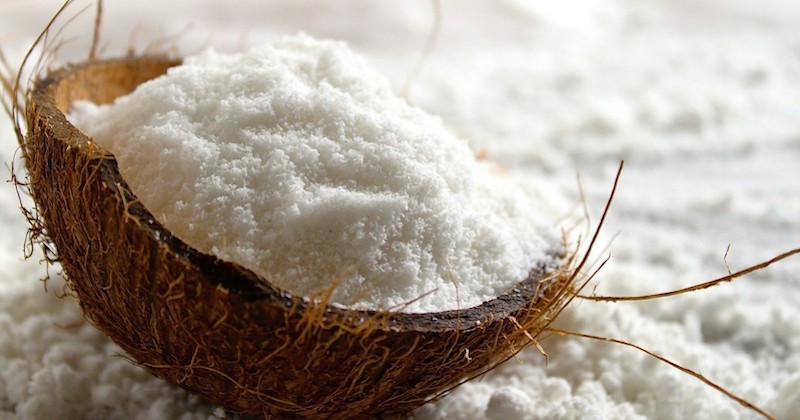
The global market for coconut products is expanding at a remarkable rate. Today, major industries rely heavily on premium desiccated coconut to supply food manufacturing lines across the globe. Consequently, large food processors require reliable ingredients for bakery items, fine confectionery products, non-dairy beverages, healthy snacks, and bulk export markets. At the center of this thriving global sector is desiccated coconut. This product is a shelf-stable ingredient made directly from the clean, white meat of mature coconuts. However, turning fresh coconut meat into an export-ready product demands reliable thermal machinery. Therefore, plant operators must select processing equipment that delivers consistent moisture removal day after day.
The Thermal Dehydration Challenge
Freshly shredded coconut contains an initial moisture level between 50% and 55%. Because this moisture level is so high, unprocessed coconut spoils quickly. Specifically, high water content triggers fast bacterial growth, enzymatic decay, unpleasant rancidity, and product clumping. As a result, commercial processing plants must use advanced drying machinery. These industrial dryers must reduce moisture levels down to a safe target of less than 3%. Furthermore, this drying phase must occur without damaging natural coconut oils, delicate natural aromas, pristine white color, or particle shape.
GTI Industrial Engineering Heritage
This critical need brings us to Genex Tech Industries LLP (GTI Industrial Dryers). GTI stands as an established leader in thermal engineering and industrial food processing equipment. With over forty years of hands-on engineering experience, GTI designs, builds, and installs advanced industrial drying systems. These heavy-duty systems are specifically engineered for both high-fat and low-fat desiccated coconut production lines.
Real-World Video Demonstrations
To see these impressive drying systems working inside real industrial facilities, you can review our official plant footage:
-
First, see continuous multi-pass processing in our Band Dryer Video.
-
Next, observe powerful hybrid thermal performance in our Combination Fluidised Bed Dryer Video.
-
Finally, check out uniform particle fluidization in our Vibratory Fluid Bed Dryer Video.
High-Fat vs. Low-Fat Desiccated Coconut: Key Product Differences
Before buying an industrial drying system, plant managers must evaluate their raw material thoroughly. Generally, desiccated coconut is divided into two primary types based on remaining oil content:
-
High-Fat Desiccated Coconut: This classic product retains a natural oil content between 60% and 68%. Consequently, it is preferred by premium bakeries, gourmet chocolate makers, and confectionery factories. These buyers love high-fat coconut for its rich mouthfeel, authentic flavor, and natural aroma. However, high-fat coconut is sensitive to extreme heat. Therefore, excessive processing temperatures can cause surface oil migration, scorching, and oily clumps.
-
Low-Fat Desiccated Coconut: This variant has a reduced oil content, usually between 10% and 35%. Processors achieve this lower fat level by mechanically pressing the fresh coconut meat before drying. As a result, low-fat coconut is popular among health-conscious food brands and industrial buyers who want extended shelf life. Because much of the oil is gone, low-fat coconut behaves differently during fluidization and heat transfer.
Detailed Breakdown of GTI Industrial Drying Equipment
GTI produces a complete line of industrial drying machines. Each model solves specific technical challenges found on modern high-fat and low-fat coconut lines.
1. GTI Industrial Band Dryers
GTI Band Dryers offer a top-tier choice for large-scale continuous processing.
-
Operational Process: Workers spread shredded coconut evenly onto a continuous perforated stainless steel belt. Next, the conveyor moves the product through enclosed drying zones. Inside these zones, heated air flows vertically through the moving bed.
-
Temperature Controls: Temperature settings are controlled across multiple stages, usually between 80°C and 110°C. Therefore, moisture evaporates smoothly without thermal shock.
-
Capacity Capabilities: Built for large commercial plants, these machines handle throughput rates from 500 kg/hr up to 3,000 kg/hr.
-
Core Benefits: Band dryers offer gentle material handling, continuous daily operation, and minimal particle breakage. Thus, they protect delicate coconut flakes and medium-grade shreds.
2. GTI Fluidised Bed Dryers (FBD)
GTI Fluidised Bed Dryers use air dynamics to achieve rapid, efficient heat transfer.
-
Operational Process: Heated air blows upward through a special perforated distribution plate. This air movement suspends the coconut particles in mid-air like a boiling liquid.
-
Temperature Controls: These units operate efficiently at moderate temperatures between 70°C and 95°C. Consequently, surface moisture flashes off quickly.
-
Capacity Capabilities: Designed for medium and large processing lines, these units handle outputs from 300 kg/hr up to 2,000 kg/hr.
-
Core Benefits: Fluid bed units offer great thermal efficiency, short drying times, and uniform moisture removal. As a result, every individual granule dries evenly without hot spots.
3. GTI Combination Fluidised Bed & Band Dryers
To maximize energy efficiency, GTI engineers developed hybrid combination systems. These units join the fast surface drying of fluid beds with the gentle finish of band conveyors.
-
Operational Process: First, a preliminary fluidised bed stage rapidly removes wet surface moisture. Then, the semi-dry coconut shifts onto a multi-pass conveyor belt for gentle final drying.
-
Temperature Controls: Operators use dynamic temperature controls that scale from 100°C down to 65°C across stages.
-
Capacity Capabilities: These heavy industrial systems deliver massive capacities from 1,500 kg/hr to over 5,000 kg/hr.
-
Core Benefits: Combination units provide excellent energy savings, accurate final moisture levels below 2%, and outstanding operational flexibility.
Technical Comparison Matrix: Matching Dryers to Raw Materials
Engineering an efficient coconut processing factory requires a clear understanding of heat dynamics. High-fat coconut keeps its natural oil structure. Therefore, it requires carefully managed heat to prevent oil leakage. Conversely, low-fat coconut is more fibrous. As a result, it allows rapid moisture release when paired with specialized fluidization airflows.
Furthermore, choosing the best GTI drying setup depends on target output grades, daily production volume, and energy budgets.
| Drying Technology | Ideal Coconut Products | Operating Temp Range | Moisture Reduction Profile | Primary Thermal Benefit |
| GTI Band Dryer | High-fat shreds, long-cut flakes, coarse chips | 80°C to 110°C | Reduced from 52% to 2.5% | Multi-pass airflow with gentle handling |
| GTI Fluidised Bed Dryer | Fine-grade powders, low-fat granules, meal | 70°C to 95°C | Reduced from 50% to 2.0% | Fast aerodynamic heat transfer |
| GTI Combination System | Large bulk runs, multi-grade processing plants | 65°C to 110°C (Staged) | Reduced from 55% to 1.5% | Maximum energy recovery and flexibility |
In-Depth Analysis of GTI Machinery and Video Proof
Every GTI dryer is fabricated carefully to meet strict international food hygiene standards. Below, we review the distinct advantages of each machine while incorporating video demonstrations.
1. GTI Band Dryer Performance
The GTI Band Dryer is designed specifically to protect product shape and color. Because high-fat coconut contains up to 68% natural oil, avoiding physical damage during drying is critical.
As demonstrated in our Band Dryer Video, the machine uses continuous conveying to move coconut beds smoothly through multiple thermal zones. Consequently, operators can adjust airflow speeds and temperature zones easily. Settings adjust from 80°C in initial zones down to 65°C in final cooling stages. As a result, the product avoids scorching and oil separation. Furthermore, continuous movement lets large plants process over 2,500 kg/hr without stops.
2. GTI Fluidised Bed Dryer Performance
When processing fine coconut powders or low-fat material, the GTI Fluidised Bed Dryer excels. By blowing heated air upward through a perforated distributor plate, coconut particles suspend cleanly in mid-air.
To see this process in action, watch our Combination Fluidised Bed Dryer Video and our Vibratory Fluid Bed Dryer Video. These videos show how vibration dynamics eliminate clump formation and air gaps. Operating between 70°C and 95°C, this fluid bed system drops moisture from 50% to under 2% in minutes. Therefore, it remains an ideal choice for high-volume fine powder production.
How to Select the Right Industrial Dryer for Your Facility
Choosing the best dryer requires a clear evaluation of your plant’s daily requirements. Therefore, factory managers should review these key factors before purchasing:
-
Product Fat Level: If your plant focuses on rich, high-fat coconut (60% to 68% fat), choose a Band Dryer or Combination Dryer. These units prevent oil loss and scorching. For low-fat products (10% to 35% fat), Fluidised Bed Dryers deliver faster drying speeds.
-
Particle Shape and Grade: If you make long chips, fancy flakes, or medium shreds, gentle belt conveying is necessary. Conversely, if your main product is fine powder, fluidization offers better efficiency.
-
Daily Output Target: For mid-sized operations processing 300 kg/hr to 1,000 kg/hr, standalone fluid beds or compact band dryers offer great value. For large export operations exceeding 2,000 kg/hr, hybrid combination dryers deliver maximum energy efficiency.
-
Energy Management: Integrating GTI heat recovery units cuts fuel consumption dramatically. Consequently, your facility reduces overall operating costs across all drying runs.
Summary and Conclusion
Selecting the right drying machine is a critical decision for coconut processors. The right equipment ensures export quality, long shelf life, and bright white color. Whether you need gentle flake handling from GTI Band Dryers or rapid drying from GTI Fluidised Bed Dryers, Genex Tech Industries LLP delivers robust solutions backed by decades of engineering expertise.
Upgrade your coconut processing line today by speaking with GTI’s thermal engineering team.
Call to Action & Official Contact Information
Ready to optimize your desiccated coconut production line with custom-engineered industrial dryers? Contact our engineering team today for technical consultations, custom plant layouts, and comprehensive pricing quotations.
Head Office Address: GENEX Tech Industries LLP 10C, Sir William Jones Sarani (Middleton Row), Park Street, Kolkata – 700071, West Bengal, India
Direct Phone / WhatsApp Contact: +91-97489 06968 | +91-93300 77417
Official Business Email: mktg@foodtechprojects.com | sales@foodtechprojects.com
Official Company Websites:www.foodtechprojects.com | www.coconutprojects.com