Introduction to Industrial Vermicelli and Pasta Dehydration
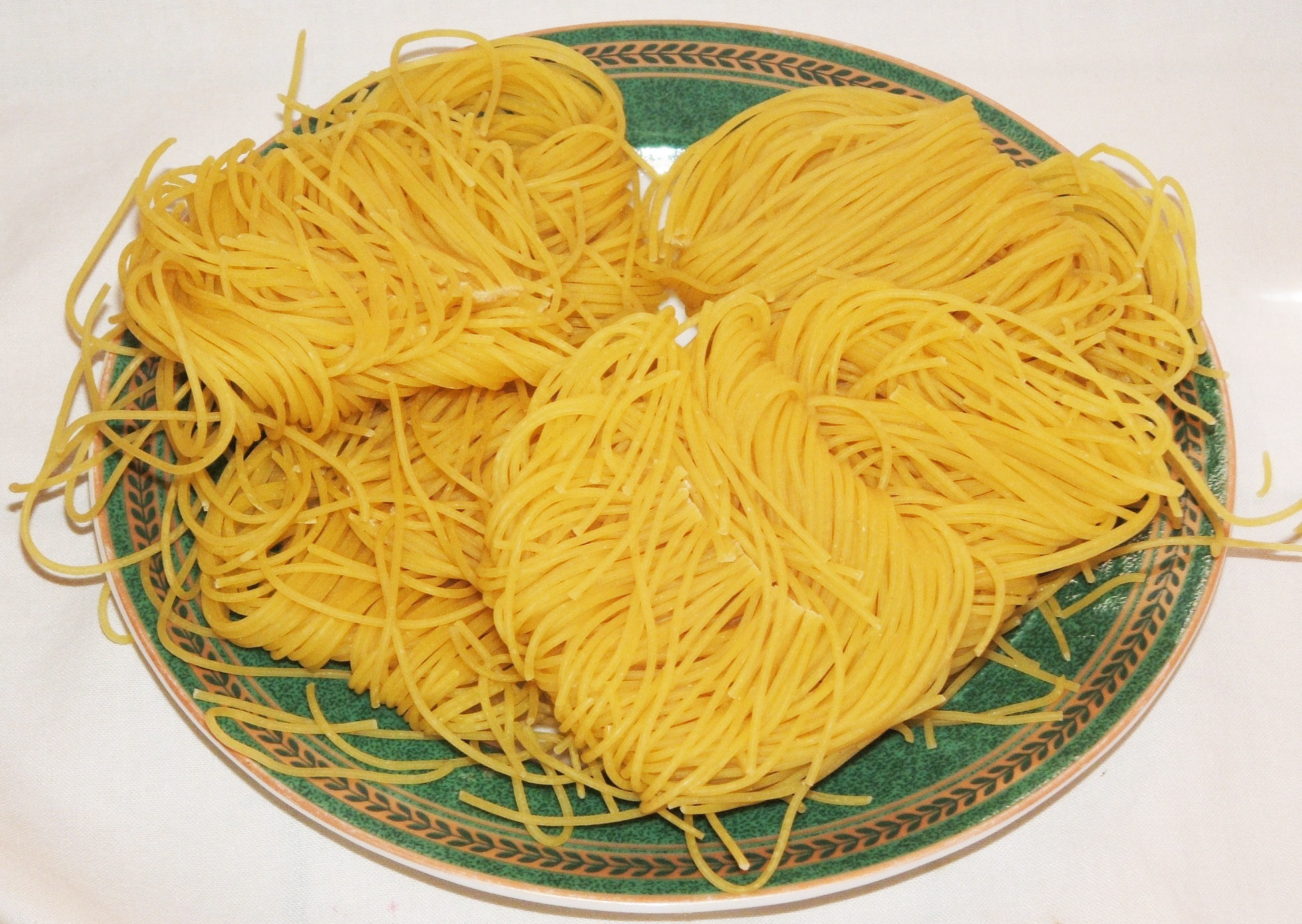
Global food markets show an unprecedented surge in demand for shelf-stable, high-quality convenience foods. Specifically, vermicelli, noodles, long-cut pasta, and extruded grain products occupy a dominant commercial position today. Furthermore, transforming wet starch extrudates into uniformly dried, shelf-stable commercial products requires precision thermal engineering. In modern industrial food manufacturing, conventional batch drying methods have become completely obsolete. Consequently, high labor overheads, inconsistent moisture distribution, surface case hardening, and severe microbial contamination risks make batch systems unviable. Therefore, large-scale commercial processors rely heavily on continuous band dryers, mesh-belt dryers, and multi-zone thermal dehydration systems.
The Role of Genex Tech Industries LLP in Modern Food Dehydration
As a premier industrial drying machinery manufacturer, Genex Tech Industries LLP operates through its specialized divisions GENEX Industrial Dryers and Food Tech Projects. Moreover, the company designs, engineers, and supplies state-of-the-art continuous band and mesh-belt drying lines. Specifically, engineers build these systems to handle the delicate structural needs of vermicelli, egg noodles, rice sticks, and semolina pasta. Additionally, this comprehensive engineering guide examines thermal dynamics, mechanical architecture, operational parameters, hygiene standards, and product-specific drying protocols. As a result, manufacturers can achieve optimal moisture removal, perfect strand separation, and extended shelf life in industrial production.
The Science of Noodle and Vermicelli Drying
Drying vermicelli and noodles represents a critical exercise in controlled heat and mass transfer. Unlike coarse industrial minerals or heavy biomass, delicate food extrudates possess complex viscoelastic properties. Typically, processors make these extrudates from wheat flour, rice flour, tapioca starch, or legume flours. During the extrusion or sheeting phase, starch granules undergo partial gelatinization through thermal energy and moisture. Subsequently, when moist strands exit the forming die, their internal moisture content ranges between 30 percent and 35 percent on a wet basis.
Accordingly, the primary goal of continuous dehydration is reducing this internal moisture down to a safe storage target of 10 percent to 12 percent. Simultaneously, the drying line must prevent structural cracking, surface warping, starch retrogradation defects, or microbial growth. Therefore, achieving this delicate balance requires understanding two distinct moisture movement mechanisms:
-
Surface Evaporation Phase: Initially, free moisture on the outer boundary of the vermicelli strand evaporates rapidly under high convective heat transfer. During this early phase, the drying rate remains constant. Meanwhile, the surface temperature stays close to the wet-bulb temperature of the circulating air.
-
Internal Diffusion Phase: Next, as moisture depletes from the outer layers, the drying rate transitions into a falling-rate period. Consequently, moisture from the dense core of the strand must diffuse outward through capillary action and vapor pressure gradients.
However, if operators apply heat too aggressively during the initial phase, surface water evaporates faster than internal moisture migrates outward. As a result, the outer crust hardens prematurely, creating a defect known as case hardening. Furthermore, this trapped internal moisture generates vapor pressure pockets inside the strand. Ultimately, these pressure pockets cause internal micro-cracks, structural fragility, and severe strand breakage during packaging and transport. Moreover, erratic drying temperatures cause uneven starch retrogradation. Consequently, this uneven gelatinization produces chewy, rubbery centers or chalky, brittle textures upon cooking. Therefore, modern industrial dryers utilize multi-zone thermal profiling to mirror the natural moisture diffusion curve of the product.
Detailed Breakdown of Industrial Dryer Types and Their Product Suitability
Selecting the right industrial drying system depends directly on physical form, raw material composition, initial moisture load, and product fragility. Accordingly, industrial processors must match their production lines with specific drying technologies to maximize thermal efficiency and product quality. Below, we examine major industrial dryer classifications and their exact product suitability:
1. Continuous Band Dryers and Apron Dryers
-
Operational Mechanism: First, this system uses an endless moving belt or perforated metal apron made from food-grade stainless steel (SS304 or SS316). Next, feed mechanisms spread wet material evenly across the moving bed. Then, the conveyor transports the product through a multi-zone insulated enclosure. Inside, blowers force heated air vertically—either top-blowing or bottom-blowing—directly through the product layer.
-
Best Suited For: Specifically, this design excels with long-cut vermicelli, delicate egg noodles, instant noodle cakes, and extruded pasta shapes. Additionally, it handles coconut flakes, sliced fruits, vegetables, and high-capacity agro-food products needing gentle handling and exact residence times.
-
Key Advantages: Most notably, operators gain excellent product integrity, zero mechanical shear degradation, and uniform airflow distribution. Furthermore, the system integrates seamlessly into continuous 24×7 automated production plants.
2. Mesh-Belt Dryers
-
Operational Mechanism: Essentially, mesh-belt dryers represent a specialized subset of band dryers featuring an open-weave wire mesh conveyor belt. Because of this open architecture, heated air penetrates porous or loosely packed material beds from both top and bottom simultaneously.
-
Best Suited For: In particular, processors choose mesh-belt systems for loose vermicelli strands, short-cut macaroni, puffed snack pellets, and extruded starch granules. Likewise, these units efficiently dehydrate leafy herbs, tea leaves, and biomass chips.
-
Key Advantages: Consequently, plants achieve exceptional drying velocity and high thermal efficiency for porous products. Moreover, this design lowers energy consumption per kilogram of evaporated water while minimizing pressure drops across the product bed.
3. Vibratory Fluidized Bed Dryers (VFBD)
-
Operational Mechanism: Here, a perforated distribution deck supports the material while undergoing linear vibratory motion. Simultaneously, blowers force hot air upward through the deck, causing product particles to suspend and behave like a boiling fluid.
-
Best Suited For: Primarily, these systems serve free-flowing granular food products, pre-cooked instant noodle crumbs, starch powders, salt, sugar, and chemical crystals.
-
Key Advantages: As a result, processors benefit from extremely high heat transfer coefficients, superior thermal uniformity, and a compact machine footprint. However, processors cannot use VFBDs for long vermicelli strands or fragile noodles, because mechanical vibration fractures delicate strands immediately.
4. Rotary Drum Dryers
-
Operational Mechanism: In this setup, wet material cascades through a tilted, rotating cylindrical shell. Concurrently, hot gases pass concurrently or counter-currently through the tumbling product stream.
-
Best Suited For: Generally, heavy industries deploy rotary drums for industrial minerals, aggregate sand, high-tonnage agricultural biomass, animal feed meals, and industrial sludges.
-
Key Advantages: Thus, plants obtain rugged, heavy-duty throughput for tough bulk materials. Nevertheless, manufacturers never use rotary drums for vermicelli or pasta, because tumbling causes severe mechanical abrasion and total product breakage.
5. Tray and Cabinet Dryers (Batch Systems)
-
Operational Mechanism: Traditionally, operators load wet product onto static trays and place them inside an insulated cabinet with forced-air circulation.
-
Best Suited For: Typically, small operations use cabinet dryers for R&D pilot plants, small-batch herbal extractions, specialty confectionery, and artisanal production.
-
Key Advantages: Evidently, buyers enjoy low initial capital costs and high recipe flexibility. Even so, batch cabinets prove completely inadequate for commercial vermicelli manufacturing due to high manual labor costs and uneven batch-to-batch drying.
Engineering Design of Genex Continuous Band and Mesh-Belt Dryers for Vermicelli
Genex engineers meticulously optimize continuous band dryers for the rigorous demands of large-scale vermicelli and noodle lines. Specifically, every mechanical component ensures strict compliance with international food safety standards while maintaining superior energy efficiency.
Structural Integrity and Metallurgy
To prevent contamination and withstand aggressive sanitation routines, Genex fabricates all product-contact surfaces from premium AISI 304 or AISI 316 stainless steel. Specifically, this includes internal supports, conveyor tracks, and housing panels exposed to the food stream. Meanwhile, the exterior frame uses heavy-duty structural carbon steel coated with anti-corrosive food-grade epoxy. Consequently, the machine achieves long-term durability even in high-humidity processing plants.
Multi-Zone Thermal Partitioning
Vermicelli dehydration never succeeds under a single uniform temperature. Therefore, Genex industrial band dryers feature a modular multi-zone design, typically spanning 3 to 7 distinct thermal zones based on plant capacity. Furthermore, each zone operates independently with dedicated heating coils, circulation fans, exhaust dampers, and temperature sensors:
-
Zone 1 (Pre-Heating & Surface Moisture Flash): Initially, Zone 1 runs at moderate temperatures between 60 degrees Celsius and 70 degrees Celsius with high airflow velocity. Consequently, this airflow strips away surface condensation rapidly and prevents early surface hardening.
-
Zones 2 and 3 (Constant Rate Diffusion): Next, operators elevate temperatures to between 75 degrees Celsius and 85 degrees Celsius. Simultaneously, automated air recycling dampers maintain controlled relative humidity, facilitating steady internal moisture migration.
-
Zone 4 and Final Zones (Cooling and Final Moisture Stabilization): Finally, the system steps temperatures down gradually from 50 degrees Celsius to ambient room temperature. As a result, this cooling stabilizes the starch matrix, prevents thermal shock, and delivers product ready for immediate packaging.
Airflow Engineering and Circulation
Uniformity defines high-end industrial dehydration. Accordingly, Genex dryers pair high-efficiency centrifugal blowers with aerodynamic air distribution plenums. Subsequently, these plenums direct heated air precisely through the perforated stainless steel mesh belt. Depending on product geometry, engineers configure the airflow for top-blowing, bottom-blowing, or alternating multi-pass cross-flow circulation. Therefore, every single vermicelli strand—whether near the edge or center of the conveyor bed—receives identical thermal exposure.
Precision Drive Systems and Belt Tracking
The conveyor mechanism relies on heavy-duty stainless steel wire mesh or interlocking solid link aprons. Moreover, variable-frequency drive (VFD) motors power these conveyors with infinitely adjustable speeds. Consequently, operators control product residence times precisely, adjusting cycles between 15 minutes and 90 minutes based on strand thickness and moisture load. Additionally, automatic pneumatic belt-tensioning and side-tracking guides eliminate belt drift during continuous 24-hour production runs.
Overcoming Sticky Challenges: Managing Starch Gelatinization and Surface Case Hardening
Managing product stickiness represents one of the toughest hurdles in commercial noodle and vermicelli production. Specifically, freshly extruded or steamed noodles exhibit high surface adhesiveness because free starches—amylose and amylopectin—leach out during hydration. Consequently, if wet vermicelli strands hit a drying belt without pre-conditioning, they stick immediately to the metal mesh and adjacent strands. Ultimately, this clumping forms dense mats that block uniform moisture removal.
Therefore, Genex engineering solves this problem through a targeted three-stage mitigation strategy:
-
Pre-Conditioning and Surface Air-Knives: First, freshly extruded vermicelli passes beneath gentle, high-velocity air-knives before entering the primary drying chamber. Immediately, these air-knives set the outer protein-starch skin, sealing surface stickiness without over-drying the core.
-
Optimized Mesh Selection and Non-Stick Coatings: Second, Genex installs specialized food-grade fluoropolymer-coated stainless steel mesh belts or precision-woven smooth wire profiles. Because these surfaces minimize physical contact area, dried vermicelli strands release effortlessly at the discharge end without mechanical scraping.
-
Humidity-Controlled Recirculation: Third, unlike basic dryers that exhaust all warm air immediately, Genex units integrate digital humidity sensors and automated intake dampers. By maintaining controlled relative humidity in early zones, the dryer prevents rapid surface skinning and case hardening. Consequently, moisture diffuses smoothly from the center outward.
Comprehensive Operational Parameters, Process Datasheets, and Performance Benchmarks
To help plant engineers, operations managers, and project consultants evaluate equipment specifications, we provide comprehensive operational benchmarks below. Specifically, these datasheets outline standard performance metrics for Genex industrial continuous band dryers across multiple throughput scales.
Table 1: Technical Specification Matrix for Genex Vermicelli Band Dryers
Table 2: Comparative Analysis of Industrial Dryer Suitability by Food Product
Thermal Energy Efficiency, Fuel Versatility, and Operating Cost Optimization
Energy costs represent the largest ongoing operational expense in industrial dehydration plants. Therefore, Genex engineers design every continuous band dryer to maximize thermal recovery and minimize fuel consumption per kilogram of evaporated water. Moreover, factories across different geographic regions face varying utility costs and fuel availability. Consequently, Genex builds flexible heat exchange modules compatible with multiple energy sources:
-
Saturated Steam Heating: Ideal for large food complexes with existing boilers, steam coils provide clean, responsive, and highly accurate temperature control across every drying zone.
-
Thermic Fluid Heating: For high-temperature applications or plants avoiding high-pressure steam regulations, closed-loop thermic fluid radiators deliver stable heat transfer up to 250 degrees Celsius without pressure vessel hazards.
-
Indirect Hot Air Generators (HAG): Where boilers are unavailable, indirect gas-fired, diesel-fired, or biomass-fired hot air generators supply clean, combustion-free heated air through stainless steel heat exchangers.
-
Industrial Electric Heating: For smaller capacities or regions with abundant renewable electricity, modular finned tubular electric heaters offer zero local emissions and instant thermal response.
Furthermore, Genex incorporates high-density rockwool insulation panels (typically 100 mm to 150 mm thick) wrapped in double-walled stainless steel cladding. As a result, external surface heat loss remains minimal, keeping factory floor temperatures comfortable. Additionally, automated exhaust heat recovery units capture latent thermal energy from humid exhaust streams and pre-heat incoming fresh air. Consequently, processors reduce overall fuel consumption by up to 20 percent compared to non-recuperative drying systems.
Step-by-Step Operational Workflow in an Automated Vermicelli Drying Line
To understand how continuous dehydration integrates into daily factory operations, let us trace the complete material flow from wet extrusion to final packaging. Every stage relies on synchronized automation to maintain consistent product quality:
-
Precision Feeder and Spreader Distribution: First, freshly extruded or steamed vermicelli strands transfer onto an oscillating or reciprocating spreader conveyor. Immediately, this feeder deposits an even, uniform mat of wet product across the full width of the main dryer belt. Maintaining uniform bed depth—typically between 25 mm and 60 mm—ensures consistent airflow resistance across the entire belt width.
-
Initial Surface Stabilization Zone: Next, the product enters the first heated chamber. Here, moderate convective airflow removes surface moisture droplets rapidly while keeping internal starch pliable. Simultaneously, humidity sensors monitor vapor saturation and adjust exhaust dampers automatically.
-
Primary Multi-Stage Dehydration: Subsequently, the conveyor advances the vermicelli through middle drying zones where temperatures peak. During this stage, controlled airflow penetrates the porous product bed, drawing internal moisture steadily to the surface. Meanwhile, variable speed drives regulate belt velocity to match real-time moisture sensor readings.
-
Equilibration and Tempering Phase: Afterward, the partially dried vermicelli moves into a lower-temperature tempering zone. Here, residual moisture inside the core of each strand redistributes evenly toward the outer surface. Consequently, internal stresses relax completely, preventing delayed cracking hours after packaging.
-
Integrated Cooling Zone: Before exiting the machine, the strands pass through an ambient or chilled-air cooling section. Immediately, this step lowers product temperature to within 5 degrees Celsius of room temperature. Thus, warm strands never cause condensation inside sealed plastic packaging films.
-
Gentle Discharge and Downstream Conveying: Finally, the dried, crisp vermicelli discharges smoothly onto sanitary takeaway conveyors. From there, automated weighing and vertical form-fill-seal (VFFS) machines package the finished product for global distribution.
Plant Floor Integration and Video Demonstration
Integrating an industrial continuous band dryer into an existing or greenfield noodle plant requires careful spatial planning and utility coordination. Specifically, engineers must align steam headers, electrical panels, compressed air lines, and exhaust ducting before installation begins. Typically, contractors position the drying unit immediately downstream of the extrusion, steaming, and cutting machinery. Directly thereafter, the discharge end feeds into cooling conveyors and automated packaging stations.
To visualize the robust mechanical construction, internal airflow dynamics, and smooth operation of these drying systems, plant managers can review actual operational footage. Specifically, Genex Tech Industries LLP provides a detailed video demonstration via its official channel:
Watch Genex Industrial Band Dryer Operation on YouTube
In this video, viewers observe the continuous feed mechanism, multi-zone thermal housing, internal stainless steel mesh transport, and steady discharge of perfectly dried food products under automated factory conditions.
Quality Assurance, Hygiene, and Maintenance Protocols
Strict adherence to international food hygiene regulations—such as US FDA, CE, HACCP, and ISO 22000—remains mandatory in modern food processing infrastructure. Therefore, Genex engineers design every drying system using strict sanitary engineering principles to eliminate microbial harborages and simplify daily sanitation:
-
Clean-In-Place (CIP) Accessibility: First, wide insulated inspection doors run along both sides of the drying tunnel, giving sanitation crews complete internal access. Additionally, sloped internal chamber floors direct washdown water straight toward sanitary drainage ports, preventing stagnant puddles.
-
Hygienic Air Filtration Banks: Second, all incoming makeup air passes through multi-stage filtration banks, including coarse pre-filters and fine particulate filters. Consequently, airborne dust, insects, and external contaminants never enter the drying chamber.
-
External Bearing and Drive Architecture: Third, engineers mount all heavy-duty roller bearings, tensioning sprockets, and drive chains outside the insulated thermal enclosure. As a result, lubricants never contaminate the food zone, while maintenance technicians inspect and service mechanical parts easily without shutting down thermal zones.
-
Preventative Maintenance and Spare Parts Support: Finally, automated chain lubrication systems and industrial-grade VFD drives minimize mechanical wear. Consequently, plants achieve high uptime across continuous multi-shift production schedules.
Conclusion
Ultimately, commercial success in vermicelli, noodle, and pasta manufacturing depends directly on precision thermal engineering. Eliminating surface stickiness, preventing structural case hardening, and hitting exact moisture targets between 10 percent and 12 percent require advanced continuous band and mesh-belt drying systems. Genex Tech Industries LLP combines over four decades of specialized manufacturing expertise with food-grade stainless steel metallurgy, multi-zone thermal control, and full turnkey project execution. By partnering with Genex, food processors secure superior product quality, lower energy costs per kilogram, and long-term operational profitability.
Official Corporate Contact and Call to Action
For plant layout consultations, customized dryer capacity calculations, product drying trials, and formal commercial proposals, connect directly with the engineering team at Genex Tech Industries LLP today:
Head Office Address:
GENEX Tech Industries LLP
10C, Sir William Jones Sarani (Middleton Row), Park Street,
Kolkata – 700071, West Bengal, India
Direct Phone / WhatsApp Contact:
+91-97489 06968 | +91-93300 77417
Official Business Email:
mktg@foodtechprojects.com | sales@foodtechprojects.com
Official Company Websites: