
Introduction
Furthermore, the global tea processing industry has transformed significantly over past decades. Traditional, labor-intensive operations have consequently evolved into highly automated industrial manufacturing plants. As a result, modern tea production demands high precision, exceptional energy efficiency, and strict quality control.
At the heart of this industrial evolution lies advanced thermal processing technology. Specifically, industrial drying machinery directly dictates final product quality, flavor profile, shelf-life, and commercial value.
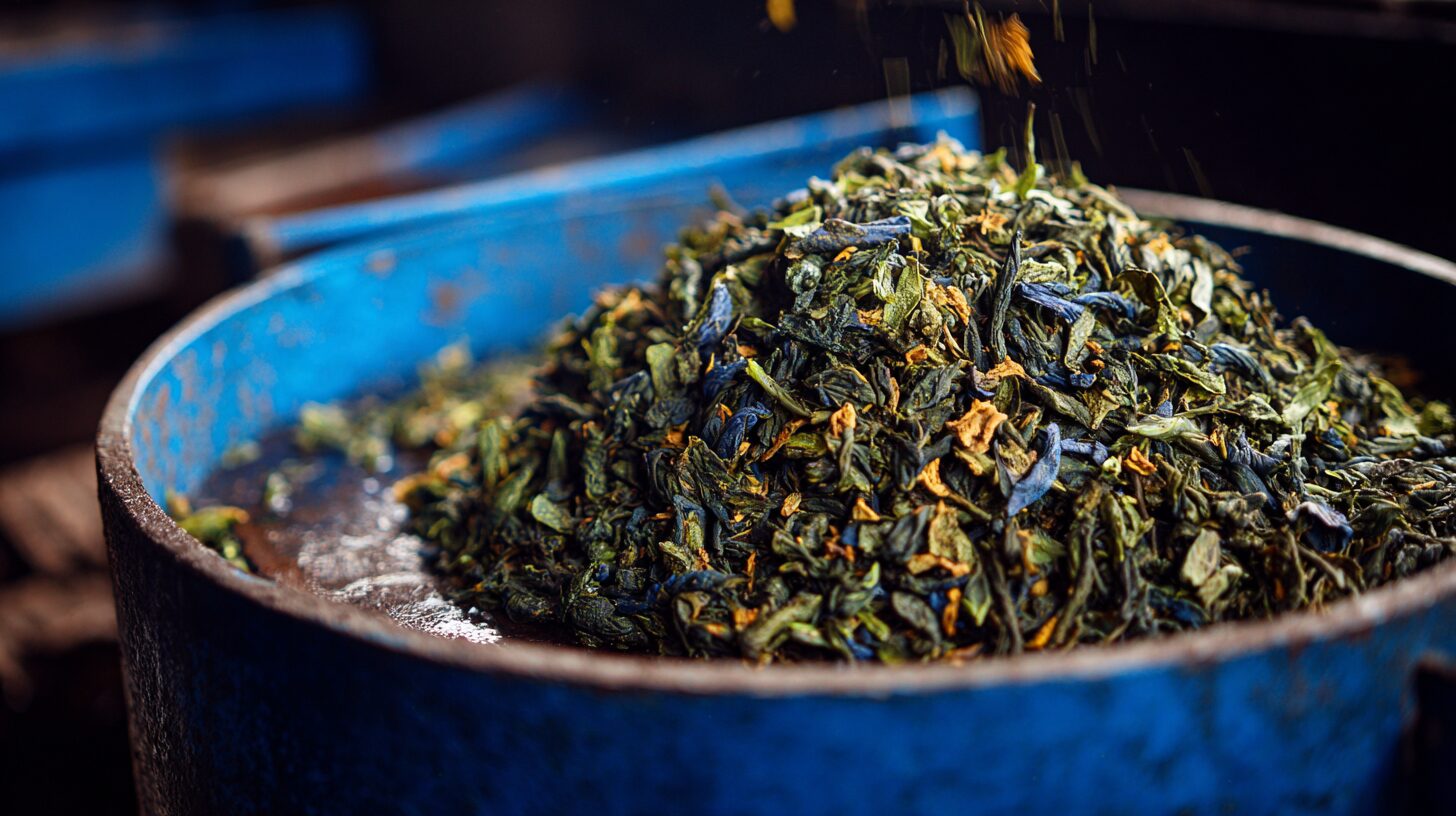
Furthermore, modern tea processing extends far beyond primary black, green, or oolong teas. Today, advanced industrial facilities must also manage complex by-products efficiently. In addition, these include coarse tea fibers, woody agricultural stalks, fine tea dust, and industrial tea waste.

Consequently, selecting the correct drying machinery for each product category is essential. Indeed, proper equipment maximizes throughput, dramatically reduces operational costs, and subsequently converts waste into high-value revenue streams.
Moreover, this comprehensive technical guide explores industrial tea processing machinery in depth. Furthermore, it systematically evaluates thermal drying systems, details exact equipment selection for diverse tea grades, and outlines sustainable waste valorization practices.
Section 1: The Anatomy of Modern Tea Processing Lines
To appreciate fully the role of specialized drying machinery, one must first understand overall tea manufacturing phases. Whether processing orthodox whole-leaf teas, CTC black teas, or specialized green and white teas, the entire line requires complete synchronization between mechanical handling and thermal dehydration.
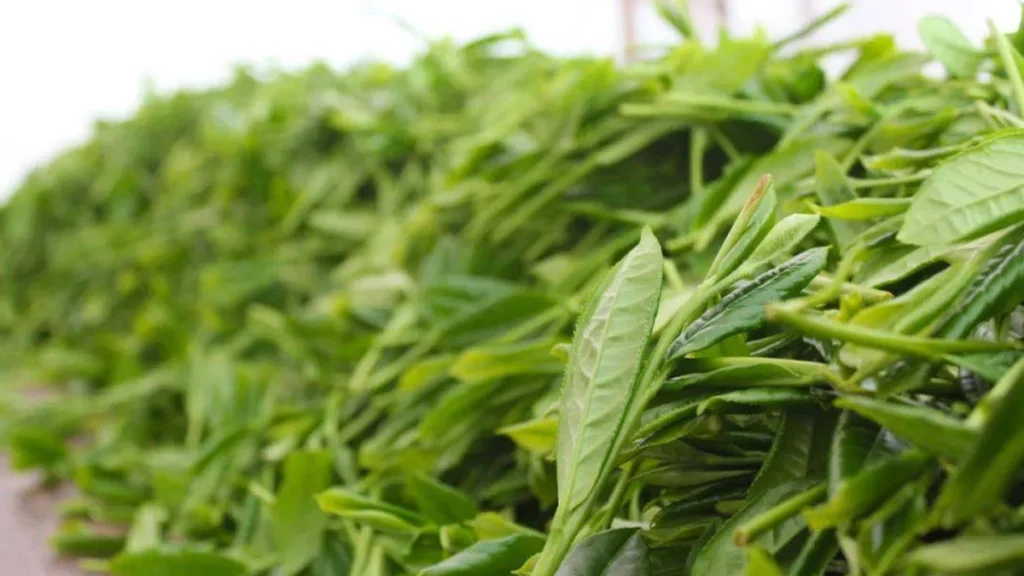
Initially, harvested green leaf undergoes a controlled withering process. Furthermore, this step reduces moisture content from 75% down to 55%-60%. In addition, this preparatory phase alters leaf chemistry, thereby initiating enzymatic activity and softening cellular structures.
Following withering, leaves subsequently pass through mechanical rollers, rotorvanes, and CTC cutting machines. Consequently, these heavy-duty systems rupture cell walls, liberating internal polyphenols and essential oils for oxidation.
Once fermentation finishes, the wet tea mass holds high moisture, typically between 45% and 50%. At this critical stage, thermal processing becomes absolutely indispensable.
Otherwise, without immediate drying, fermentation continues unchecked. Consequently, this leads to rapid spoilage, mold growth, and total product loss. Therefore, industrial tea dryers must halt enzymatic activity instantly while simultaneously reducing residual moisture down to 3%-5%.
Section 2: Primary Tea Drying Machinery
Primary tea drying represents the most energy-intensive phase in tea manufacturing. Furthermore, machinery must balance intense heat application with gentle handling to preserve leaf color and aroma.
1. Black Tea (CTC & Orthodox) Drying Systems
Furthermore, black tea manufacturing requires high-volume thermal processing units. Historically, conventional endless chain pressure (ECP) dryers dominated production lines. However, modern facilities increasingly utilize advanced fluidized bed dryers and continuous multi-stage band dryers.
-
Operational Parameters: Inlet air temperatures range between 110°C and 130°C. Meanwhile, exhaust temperatures are carefully regulated between 55°C and 65°C to prevent scorching.
-
Moisture Reduction: Indeed, the machinery drives moisture down from 45% to a stable 3% within minutes. Consequently, this ensures optimal granule stabilization and immediate packaging readiness.
2. Green Tea Dehydration and Fixing Systems
Furthermore, unlike black tea, green tea production demands immediate arrest of oxidation without prior fermentation. Consequently, specialized thermal machinery handles “fixing” via high-heat steam or roasting cylinders before secondary drying.
-
Thermal Precision: In addition, green tea dryers require precise temperature control. They operate at lower air velocities and gentler thermal gradients (80°C to 100°C). As a result, this preserves vibrant green color, vegetative aroma, and high catechin concentration.
3. Specialty Teas: Oolong, White, and Herbal Infusions
Moreover, specialty teas involve delicate wilting and partial fermentation cycles. Furthermore, drying machinery for these segments utilizes multi-stage convective band dryers or thermal chambers. Consequently, these systems ensure uniform airflow across fragile leaves, thereby preventing breakage and protecting subtle flavors.
Section 3: By-Product Valorization: Tea Fiber, Biomass, and Waste Processing
Furthermore, modern tea processing facilities generate significant secondary by-products. These include fibrous stalks, coarse agricultural residues, fine tea dust, and extraction waste. Previously treated as refuse, these materials are now recognized as valuable assets through advanced thermal drying.
1. Coarse Tea Fiber and Biomass Processing
During CTC and orthodox cutting, tough fibers and woody stalks separate from marketable tea grades. Because these fibrous materials possess high initial moisture (often exceeding 60%), direct disposal is environmentally and financially costly.
-
Thermal Stabilization: Furthermore, advanced tea fiber drying systems utilize heavy-duty rotary dryers to lower moisture. Once dried, coarse biomass is densified into high-calorific briquettes and pellets. Consequently, these serve as eco-friendly boiler fuel or organic soil enrichers.
2. Fine Tea Dust and Extraction By-Products
In addition, tea dust and fine powders generated during grading present distinct handling challenges. Specifically, their small particle size makes them susceptible to dusting or combustion in standard air streams.
-
Value-Add Applications: Furthermore, properly dried tea dust serves as raw material for industrial caffeine extraction. Additionally, it is used in organic fertilizers and animal feed supplements. Moreover, specialized fluid bed dryers process these fine powders without material loss.
Section 4: Matching the Right Dryer to the Right Tea Product
Selecting the appropriate industrial dryer is a critical engineering decision. Indeed, using incorrect machinery leads to uneven drying, scorching, high energy consumption, and product degradation.
| Product Category | Primary Material Characteristics | Recommended Dryer Type | Operational Rationale & Key Benefits |
| CTC & Orthodox Black Tea | Granulated, flaky, medium moisture (45-50%) | Continuous Band Dryer / Fluidized Bed Dryer | Provides continuous throughput, uniform heat distribution, and precise moisture reduction down to 3%. |
| Green Tea Leaves | Fragile, enzymatic-sensitive, leafy | Multi-Stage Mesh Belt Dryer | Operates at controlled lower thermal gradients (80°C – 100°C), preserving green color and catechins. |
| Coarse Tea Fiber & Stalks | Fibrous, bulky, high initial moisture (>60%) | Rotary Drum Dryer | Rotating cylinder mechanism handles high-moisture bulk biomass effortlessly for large-scale drying. |
| Fine Tea Dust & Powder | Micro-granular, fine particles, prone to drift | Fluidized Bed Dryer (FBD) | Fluidizes particles on an air cushion, providing rapid heat transfer and precise moisture control. |
| Tea Extraction Residue | Wet sludge, high-viscosity residues | Continuous Thin Film / Paddle Dryer | Mechanical agitation breaks down sticky residues, preventing agglomeration during dehydration. |
| Herbal & Botanical Teas | Whole leaves, delicate flowers, roots | Specialized Convective Tray / Band Dryer | Gentle airflow prevents breakage of delicate structures while reducing moisture for long shelf-life. |
Section 5: Thermal Efficiency, Energy Recovery, and Insulation in Modern Dryers
Furthermore, energy consumption represents a major operational expenditure in tea processing. Consequently, modern dryer engineering heavily emphasizes thermal efficiency, heat recovery, and advanced insulation.
1. Optimized Airflow Dynamics
Advanced dryers utilize computational fluid dynamics (CFD) to design internal ducting and plenum chambers. Furthermore, by optimizing airflow distribution, these systems ensure every kilogram of tea experiences identical heat. Consequently, this eliminates hot spots and significantly reduces re-drying cycles.
2. Heat Recovery Systems
Moreover, exhaust air from tea dryers carries substantial thermal energy. Modern installations incorporate gas-to-gas heat exchangers and recuperators. Furthermore, these recovery units capture waste heat to pre-heat incoming ambient air. Consequently, primary fuel consumption is reduced by 20% to 35%, substantially cutting operational costs.
3. High-Performance Thermal Insulation
In addition, heat loss through exterior casing walls causes major inefficiency in older machinery. State-of-the-art dryers employ multi-layer, high-density rockwool or ceramic fiber insulation. Consequently, this thermal barrier keeps exterior surfaces cool while retaining internal heat.
Section 6: Automation, Instrumentation, and Quality Control
Furthermore, modern tea processing plants follow strict international food safety standards. Therefore, manual monitoring of drying parameters is completely obsolete. Advanced drying systems integrate PLC automation and SCADA software.
1. Automated Moisture Feedback Loops
State-of-the-art drying lines feature inline microwave or infrared moisture sensors at the discharge conveyor. Furthermore, these sensors continuously measure residual moisture in real time. The PLC system automatically adjusts feed rates, belt speeds, and burner output to maintain consistent product quality.
2. Precision Temperature Profiling
Moreover, multi-zone sensors monitor thermal conditions across different sections of the drying chamber. If temperatures exceed safety thresholds, automated bypass dampers and cooling cycles engage immediately. Consequently, this protects delicate tea batches from scorching or fire hazards.
Section 7: Economic Viability and Industrial Scalability
Furthermore, investing in industrial tea processing machinery requires careful financial planning. Plant operators must balance capital expenditure (CapEx) against long-term operational expenditure (OpEx) and ROI.
1. Capital Expenditure vs. Operational Efficiency
While premium dryers with heat recovery and PLC controls require higher upfront investment, their operational efficiency yields fast payback. Furthermore, by reducing fuel usage, minimizing product waste, and automating operations, these systems typically amortize their cost within 18 to 24 months.
2. Scalability and Modular Engineering
Processing plants must remain flexible to handle fluctuating seasonal harvest volumes. In addition, machinery manufacturers design modular drying systems that allow operators to expand capacity easily. Whether upgrading a green tea line or expanding a commercial black tea facility, modular configurations enable seamless growth.
Conclusion
Furthermore, industrial tea production combines agricultural practice with mechanical and thermal engineering. As global markets demand consistent quality, safety, and sustainability, advanced tea processing machinery becomes indispensable.
From CTC and orthodox dryers to green tea fixing units and rotary biomass systems, choosing machinery tailored to specific product traits determines operational success. Consequently, by integrating energy recovery, automation, and waste valorization, modern processing facilities maximize profitability and efficiency.
Call to Action (CTA)
Are you planning to upgrade your tea processing facility or build a high-efficiency processing plant? Partner with experienced specialists in industrial drying and thermal engineering.
Contact our technical team today for customized drying solutions, machinery specifications, competitive pricing, and turnkey project support:
Head Office Address:
GENEX Tech Industries LLP
10C, Sir William Jones Sarani (Middleton Row), Park Street,
Kolkata – 700071, West Bengal, India
Direct Phone / WhatsApp Contact:
+91-97489 06968 | +91-93300 77417
Official Business Email:
mktg@foodtechprojects.com | sales@foodtechprojects.com
Official Company Websites: