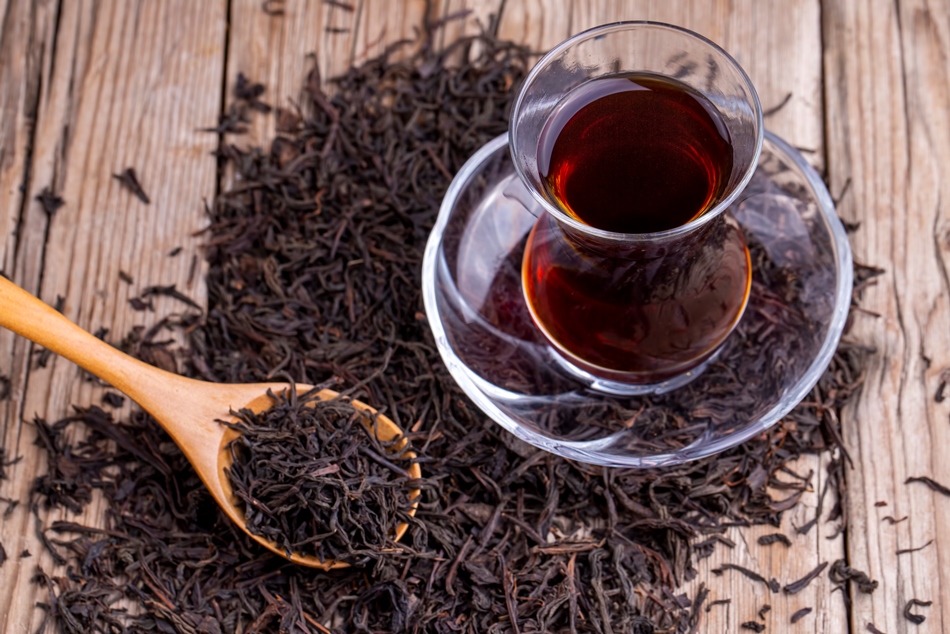
Orthodox tea processing is an extraordinarily intricate, delicate craft that meticulously converts fresh green tea leaves into world-class, aromatic whole-leaf teas. Unlike modern Crush-Tear-Curl (CTC) tea production, which relies heavily on severe mechanical maceration to yield uniform granules rapidly, orthodox tea processing meticulously preserves the natural, delicate structural integrity of the leaf blade. Consequently, this traditional manufacturing philosophy demands extreme operational precision during every single stage of production. Most notably, this precision is essential during the critical moisture evacuation phase.
In high-grade orthodox tea manufacturing, industrial drying is by no means a superficial or simple moisture reduction step. Instead, it serves fundamentally as a vital chemical arrest, thermal fixation, and aromatic preservation stage. Specifically, excessive thermal application rapidly destroys the complex bouquet of fragile volatile essential oils. Meanwhile, inadequate thermal penetration permits ongoing enzymatic activity to over-oxidize the leaves, which ultimately leaves behind an unpleasant, sour, and lifeless tea liquor.
Furthermore, the multi-stage continuous band dryer (commonly referred to in industrial settings as the apron-type conveyor dryer) stands unquestionably as the absolute gold standard of thermal processing machinery within modern orthodox tea factories. Designed specifically to handle delicate leaf geometry without abrasive tumbling or mechanical agitation, this advanced industrial drying platform delivers highly uniform moisture removal. As a result, it works smoothly without tearing, bruising, or dulling the natural visual bloom of premium tea leaf grades.
1. The Physics and Chemistry of Orthodox Tea Drying
To fully appreciate why continuous band dryers significantly outperform traditional drying apparatuses, one must thoroughly examine the physical and biochemical transformations occurring inside the leaf structure during processing.
To begin with, fresh green leaves arrive at the processing facility containing approximately 75% to 80% moisture. Subsequently, during the controlled withering stage, this water content drops predictably down to between 55% and 65%. Following this initial phase, the rolling and shaping phase mechanically mixes cellular enzymes and substrates together. Next, the oxidation or fermentation stage develops the characteristic coppery red leaf color while internal moisture sits around 50% to 55%. Ultimately, the thermal fixation and drying stage reduces the moisture content down to the final target of 2% to 3% in finished orthodox tea.
Step 1: Fresh Green Leaf Intake (75% to 80% Moisture)
Step 2: Controlled Withering Phase (55% to 65% Moisture)
Step 3: Rolling & Leaf Shaping (Enzyme & Substrate Intermixing)
Step 4: Enzymatic Oxidation / Fermentation (50% to 55% Moisture)
Step 5: Thermal Fixation & Band Dryer Phase (2% to 3% Moisture Target)

Thermal Inactivation of Polyphenol Oxidase (PPO)
When tea leaves undergo mechanical rolling, plant cell walls rupture naturally. As a result, this mechanical action brings polyphenols into direct contact with Polyphenol Oxidase (PPO) and Peroxidase enzymes, thereby initiating rapid enzymatic fermentation. Consequently, fermentation produces the core aromatic and flavor compounds—specifically Theaflavins (which provide brightness, sharpness, and briskness) and Thearubigins (which provide body, depth, and rich coppery color).
As a direct result, the primary zone of the industrial dryer rapidly elevates internal leaf temperatures to over 80°C. Therefore, this thermal spike instantly denatures the PPO protein structure, effectively locking in the precise ratio of theaflavins to thearubigins. However, if thermal penetration is too slow, oxidation continues unchecked, which destroys liquor brightness and creates an unpleasant sour taste.
Volatile Essential Oil Retention
The distinct floral, fruity, and sweet notes of high-grade Orthodox Orange Pekoe (OP), Fine Tippy Golden Flowery Orange Pekoe (FTGFOP), and Green Teas originate from low-boiling-point volatile organic compounds. For example, these delicate compounds include linalool, geraniol, benzyl alcohol, and phenylacetaldehyde.
Traditionally, single-pass high-heat dryers blow these fragile aromatics directly out of the exhaust stack. In sharp contrast, multi-stage continuous band dryers resolve this issue by applying carefully controlled heat zones. Thus, they begin with gentle surface moisture removal before applying targeted thermal energy, thereby sealing volatile essential oils safely inside the leaf matrix.
Physical Shrinkage and Twist Preservation
During withering and rolling, leaves are gently twisted to form long, elegant needles or tightly rolled balls. Meanwhile, as moisture drops from 50% down to 3%, the leaf structure shrinks dramatically.
In comparison, standard fluidization dryers agitate leaves with high-velocity air streams, which snaps fragile tips and strips away fine golden hairs (pubescence), thereby significantly lowering market value. Conversely, multi-stage continuous band dryers transport leaves smoothly on perforated steel apron belts. Consequently, the leaves rest undisturbed throughout the entire journey, preserving their traditional twist, delicate tip structure, and vibrant visual bloom.
2. Technical Architecture of Multi-Stage Band Dryers
Engineering a continuous band dryer for orthodox tea demands robust mechanical construction, food-grade materials, and precise multi-zone thermal dynamics.
To illustrate the mechanical layout, raw wet dhool enters the system via an automated feed hopper. First, it lands on the top stainless steel conveyor belt operating inside Zone 1 for high-moisture evaporation (90°C to 100°C), dropping moisture from 55% down to 30%. Next, the leaves undergo a gentle cascading transfer onto the middle stainless steel conveyor belt operating inside Zone 2 for intermediate drying and shrinkage (80°C to 85°C), reducing moisture from 30% down to 12%. Following another gentle cascading transfer, the leaves move onto the bottom stainless steel conveyor belt in Zone 3 for final fixation and case curing (65°C to 75°C), bringing moisture down to the final 2.5% target before exiting as cooled, dried orthodox tea.
Conveyor Belts and Drive Mechanisms
-
Food-Grade Construction: All contact surfaces use AISI 304 or AISI 316 food-grade stainless steel. Furthermore, the belt assembly consists of heavy-duty interlocking perforated trays, woven wire mesh, or articulating apron plates. Consequently, these permit uniform air passage while preventing small leaf fragments from falling through.
-
Variable Speed Drives (VSD): Frequency-controlled AC drives adjust residence time across each band level independently. Therefore, operating speeds can be finely tuned from 15 minutes to 45 minutes, matching varying ambient humidity and leaf moisture levels.
-
Auto-Tensioning and Tracking: Heavy-duty alloy steel chains driven by side-mounted sprockets ensure zero-drift belt movement. Additionally, automatic pneumatic or spring-loaded tensioning mechanisms eliminate belt sag, thereby ensuring smooth mechanical operation.
Airflow Dynamics and Thermal Zoning
High-efficiency industrial band dryers feature multiple thermal zones along the conveyor path. Moreover, each zone operates with independent heating coils, variable-speed blowers, and dedicated exhaust dampers.
-
Up-Draft Airflow: Hot air enters beneath the perforated belt, passing upward through the leaf bed. As a result, this gently expands the bed depth without blowing leaves off the tray.
-
Down-Draft Airflow: In secondary drying zones, downward airflow prevents light, partially dried whole leaves from lifting. Thus, this ensures uniform heat transfer throughout the entire bed depth.
-
Recirculating Air Loop: Moisture-saturated air is vented through adjustable exhaust dampers, while partially humid air recirculates back through the heat exchanger. Because of this design, total energy usage drops by 25% to 35%.
Integrated Washing and Maintenance Systems
Continuous operations can leave sticky, oxidized tea saps on conveyor trays over time. However, industrial band dryers integrate an optional continuous Clean-in-Place (CIP) or manual Wash-in-Place (WIP) system on the belt return circuit. Therefore, high-pressure hot water nozzles strip away resin accumulation, while downstream air knives dry the mesh before it re-enters the primary feeding zone.
3. Industrial Dryer Technologies: Comparative Analysis
Choosing the right thermal drying technology directly impacts finished product quality, operating efficiency, and long-term operating costs. Below is a detailed technical comparison of the main industrial dryers used in modern tea processing.
| Dryer Technology | Primary Operating Mechanism | Temperature Range (°C) | Outlet Moisture Content (%) | Physical Agitation Level | Ideal Tea Varieties & Product Applications | Key Advantage |
| Multi-Stage Band Dryer | Multi-tier continuous perforated belt with zoned hot air | 65°C – 100°C | 2.0% – 3.0% | Zero to minimal agitation | High-grade Orthodox Black (OP, FOP), Green, White, and Oolong Teas | Preserves delicate leaf twist, golden tips, and volatile aromatics |
| Fluid Bed Tea Dryer (FBD) | Hot air fluidization suspended over a vibrating bed plate | 90°C – 120°C | 2.5% – 3.5% | High thermal suspension agitation | Uniform CTC Black Tea grades, high-volume fannings, and dust | High thermal efficiency and rapid drying rates for small particles |
| Vibro Fluid Bed Dryer (VFBD) | Combined mechanical vibration with upward airflow | 80°C – 110°C | 2.5% – 3.0% | Moderate controlled agitation | CTC broken grades, secondary Orthodox grades, and tea granules | Lower air pressure requirement with reduced dust generation |
| Tray / Cabinet Batch Dryer | Stationary stacked perforated trays inside an insulated cabinet | 50°C – 80°C | 3.0% – 4.0% | Static (zero agitation) | Micro-lot Specialty Teas, Hand-crafted White Teas, and Herbal Blends | Low initial cost; ideal for small custom specialty batches |
| Industrial Rotary Drum Dryer | Rotating inclined drum with internal lifters and hot air flow | 110°C – 160°C | 2.0% – 3.0% | Severe tumbling agitation | Tea waste, spent tea leaves, tea biomass, and industrial tea dust | Exceptional bulk volumetric processing capacity |
| Industrial Spray Dryer | Hot air atomization of liquid tea extract via centrifugal nozzle | 160°C – 220°C (Inlet) | 3.0% – 4.0% | Instantaneous liquid flashing | Instant Tea Powders, RTD Tea Premixes, and Green Tea Extracts | Converts liquid extracts into free-flowing, soluble powders |
| Low-Temp Heat Pump Dryer | Closed-loop dehumidification with refrigeration heat recovery | 35°C – 55°C | 3.0% – 5.0% | Static or continuous slow movement | Delicate Flower Teas, Botanical Leaves (Mint/Tulsi), High-value Herbal | Preserves natural chlorophyll color and sensitive heat-susceptible oils |
4. Dryer Selection Matrix by Product Application
Selecting the right industrial drying platform depends entirely on your raw materials, processing goals, and finished product specifications.
1. High-Grade Orthodox Black Tea (FTGFOP, TGFOP, OP, BOP)
-
Recommended System: Multi-Stage Continuous Band Dryer
-
Engineering Justification: Premium orthodox black teas demand pristine leaf appearance, intact golden tippy buds, and zero tip destruction. Therefore, a continuous band dryer carries leaves through staged temperature zones without abrasive tumbling. Consequently, this protects delicate leaf structures while drying them down to 2.5% moisture.
2. Standard CTC Black Tea (BPM, PF, PD, Dust Grades)
-
Recommended System: Fluid Bed Tea Dryer (FBD) or Vibro Fluid Bed Dryer (VFBD)
-
Engineering Justification: CTC teas consist of dense, small, uniform tea granules that require rapid heat transfer to arrest fermentation. Thus, fluidized bed technology suspends these small particles in mid-air, achieving uniform moisture removal and high throughput without damaging larger leaves.
3. Delicate Green & White Teas (Silver Needle, Dragon Well, Sencha)
-
Recommended System: Multi-Stage Low-Temperature Band Dryer or Heat Pump Dryer
-
Engineering Justification: Green and white teas require immediate enzyme fixation without thermal scorching or browning. As a result, operating a band dryer at 65°C to 80°C preserves natural chlorophyll green color, maintains fresh floral aromas, and prevents oxidation.
4. Specialty Herbal Infusions & Botanical Leaves (Tulsi, Chamomile, Peppermint)
-
Recommended System: Industrial Heat Pump Dehumidification Dryer or Multi-Tier Tray Dryer
-
Engineering Justification: Botanicals contain volatile essential oils that evaporate rapidly above 60°C. Therefore, low-temperature heat pump drying extracts moisture down to 4.0% while operating in a sealed, energy-efficient loop. Consequently, this locks in natural aroma, color, and therapeutic active ingredients.
5. Instant Teas, RTD Concentrates & Nutraceutical Extracts
-
Recommended System: Industrial Spray Dryer
-
Engineering Justification: Liquid tea concentrates extracted from boiled leaves cannot be dried on conveyor belts or trays. Instead, high-pressure spray dryers flash-evaporate water droplets in fractions of a second, yielding fine, instant-dissolving tea powders with high solubility.
5. Industrial Performance and Technical Specifications
When designing an industrial band dryer for high-capacity orthodox tea processing, engineers must carefully balance thermal power, bed depth, residency time, and specific moisture evaporation rates.
To break down the operational stages within the dryer:
-
1 (Primary Firing): Operates at an inlet temperature of 90°C to 100°C with a bed depth of 30mm to 40mm, successfully dropping moisture from 55% down to 30%.
-
2 (Secondary Drying): Operates at an inlet temperature of 80°C to 85°C with a bed depth of 50mm to 60mm, dropping moisture from 30% down to 12%.
-
3 (Final Case Curing): Operates at an inlet temperature of 65°C to 75°C with a bed depth of 70mm to 80mm, dropping moisture from 12% down to 2.5%.
Key Engineering Parameters
-
Inlet Leaf Moisture Content: 50% to 60% (Post-fermentation dhool)
-
Target Outlet Moisture Content: 2.0% to 3.0% (Stable for packaging)
-
Primary Zone Drying Temperature: 90°C to 100°C
-
Secondary Zone Drying Temperature: 80°C to 85°C
-
Final Curing Zone Temperature: 65°C to 75°C
-
Thermal Efficiency: 68% to 78% (with heat recovery loop)
-
Evaporative Energy Requirement: 2,600 kJ to 3,200 kJ per kg of water evaporated
-
Drying Residence Time: 20 to 35 minutes total exposure
Processing Stages inside the Band Dryer
-
High-moisture feed enters at 55% moisture.
-
Initial surface moisture evaporation and enzyme arrest occur within Zone 1 (90°C to 100°C).
-
Internal moisture migration and shrinkage are managed during Zone 2 (80°C to 85°C).
-
Deep moisture extraction and bloom preservation are executed inside Zone 3 (65°C to 75°C).
-
Finished output finally emerges at 2.5% moisture.
6. Detailed Step-by-Step Orthodox Tea Processing Workflow
To understand how the multi-stage band dryer integrates into a full production facility, we must map the entire processing sequence from raw leaf intake to final packaging.
Step 1: Green Leaf Harvesting and Reception
First, freshly plucked tea shoots (typically two leaves and a bud) are harvested and brought to the factory. Meanwhile, raw leaf moisture sits between 75% and 80%. Therefore, care must be taken to prevent bruising, compaction, or premature overheating in transport baskets.
Step 2: Controlled Withering
Next, leaves are spread uniformly over withering troughs. Subsequently, ambient or mildly warmed air (25°C to 30°C) blows through the perforated bed for 12 to 18 hours.
-
Physical Wither: Water content drops from 78% down to 60–65%. Consequently, the leaf turns limp and pliable, preventing mechanical tearing during rolling.
-
Chemical Wither: Meanwhile, complex proteins break down into soluble amino acids (such as theanine), boosting umami notes. Furthermore, starches convert to simple sugars, thereby enhancing natural sweetness.
Step 3: Rolling and Leaf Shaping
Following withering, leaves transfer to specialized Orthodox Tea Rollers. In addition, these machines feature asymmetric tables, ledges, and adjustable pressure caps.
-
Process Duration: 30 to 45 minutes per cycle.
-
Mechanical Action: During this phase, leaves are gently twisted under rolling pressure. As a result, this ruptures plant cell walls, pushing natural sap to the leaf surface without shredding the blade into coarse fragments.
Step 4: Green Leaf Sifting and Roll Breaking
Post-rolling, compressed leaf masses pass over a vibrating roll-breaker sifter.
-
Lump Separation: First, coarse leaf bundles break apart into free-flowing particles.
-
Grade Sorting: Subsequently, fine, high-value rolled leaf particles drop through mesh screens for immediate oxidation, while larger leaves return for a secondary light rolling pass.
Step 5: Controlled Fermentation (Enzymatic Oxidation)
After sifting, leaf particles (known as dhool) are spread onto perforated aluminum trays or continuous fermenting belts inside an environmentally controlled room.
-
Operating Conditions: 20°C to 26°C, relative humidity above 90% to 95%.
-
Duration: 60 to 120 minutes depending on leaf quality and environmental conditions.
-
Transformation: During this time, polyphenols oxidize into bright red and coppery theaflavins and thearubigins. Consequently, the leaf shifts from dull green to a rich, fragrant copper-brown.
Step 6: Thermal Fixation and Drying (The Band Dryer Phase)
Then, the fermented dhool enters the Multi-Stage Continuous Band Dryer at 50% to 55% moisture content.
-
Primary Pass: Fast hot-air exposure (95°C) halts oxidation instantly.
-
Secondary Pass: Next, controlled mid-temperature drying (85°C) reduces moisture content to 15%.
-
Final Pass: Finally, low-temperature curing (70°C) brings moisture down to a stable 2.5%, locking in dark leaf color and high-grade aroma.
Step 7: Mechanical Sorting and Grading
After drying, cooled, dried tea leaves pass through oscillating mechanical sorters equipped with varying mesh sizes (such as Myddleton and Andrews sorters).
-
Grade Separation: Thus, teas are grouped into Whole Leaf (FTGFOP, OP), Brokens (BOP, GOF), Fannings, and Dust. Meanwhile, winnowing fans separate light fiber fragments from high-density, tea-liquor-yielding leaves.
Step 8: Bulk Packaging and Moisture Sealing
Finally, graded orthodox teas are stored in moisture-proof bins before being packed into foil-lined tea chests, multi-wall paper sacks, or bulk bags. Therefore, sealing at 2.5% to 3.0% moisture content ensures long shelf life and preserves volatile flavor compounds during international shipping.
7. Turnkey Engineering, Installation, and Commissioning
Installing a high-efficiency industrial band dryer requires comprehensive engineering, precise thermal integration, and structured commissioning protocols.
To outline the project lifecycle:
-
First, Phase 1 involves process design and thermal calculation.
-
Next, Phase 2 covers precision equipment manufacturing.
-
Then, Phase 3 focuses on civil works and factory integration.
-
Subsequently, Phase 4 executes mechanical and electrical installation.
-
After that, Phase 5 handles operational commissioning and optimization.
-
Finally, Phase 6 delivers operator training and maintenance protocols.
Phase 1: Process Design and Thermal Calculations
First, engineers evaluate factory elevation, ambient humidity ranges, available fuel sources (biomass, steam, gas, electricity), and target production outputs. Subsequently, detailed thermal mass balances determine exact airflow requirements, furnace sizing, and conveyor belt surface areas.
Phase 2: Precision Equipment Manufacturing
Next, dryer modules are manufactured using CNC laser cutting, automated folding, and high-precision welding. Furthermore, sub-assemblies undergo rigorous testing for structural rigidity, thermal expansion tolerance, drive-chain alignment, and food-safe finish standards.
Phase 3: Civil Works and Factory Integration
Meanwhile, the installation team prepares factory foundations, ensuring level mounting surfaces capable of supporting heavy structural frames. Additionally, exhaust ducting paths, air intake louvers, fuel supply lines, and electrical conduits are integrated into the facility layout.
Phase 4: Mechanical and Electrical Installation
Then, heavy structural uprights, insulated wall panels, multi-tier sprockets, stainless steel apron belts, and high-volume blowers are assembled on site.
-
Control Architecture: For example, centralized PLC electrical control panels feature touchscreen Human-Machine Interfaces (HMI). Furthermore, Variable Frequency Drives (VFDs) provide real-time control over belt speeds, blower output, temperature sensors, and safety interlocks.
Phase 5: Operational Commissioning and Tuning
Afterward, commissioning starts with dry mechanical runs to verify belt tracking, chain tension, and thermal expansion relief. Subsequently, heating units are fired up gradually to balance air distribution across all drying zones.
Finally, live tea trials calibrate thermal curves, residency times, and exhaust damper settings. As a result, this ensures the dryer delivers consistent 2.5% output moisture at target capacity.
Phase 6: Operator Training and Maintenance Protocols
Lastly, operators receive hands-on training covering daily startups, bed depth adjustments, air balance tuning, shut-down cooling cycles, and CIP sanitation. Consequently, preventive maintenance schedules ensure long-term equipment reliability.
8. Troubleshooting Operational and Thermal Issues
Operating an industrial continuous band dryer requires real-time adjustments to account for variations in leaf wither, ambient weather, and boiler output.
| Technical Problem | Direct Root Causes | Immediate Engineering Remedy | Long-Term Preventative Strategy |
| High Final Moisture (>4.0%) | Excess bed thickness; fast belt speed; low inlet air temperature; clogged exhaust ducting | Reduce feeding hopper speed; slow down belt VFD drives; raise Zone 1 temperature by 5°C; clear exhaust dampers | Calibrate green leaf withering to ensure consistent 60% inlet moisture |
| Leaf Scorching / Burnt Aroma | Excessively high Zone 1 temperature (>110°C); slow belt speed; uneven bed distribution | Lower burner heat input immediately; increase belt speed; check feed distributor for clogging | Implement automated PLC closed-loop temperature controls with safety shut-off valves |
| Loss of Volatile Flavor / Dull Tea | Slow drying curve; low temperature with high humidity; over-recirculating exhaust air | Open exhaust dampers to discharge humid air; increase Zone 1 airflow velocity; boost drying air temp | Clean heat exchanger tubes; inspect recirculation fans to ensure adequate moisture venting |
| Uneven Drying Across Belt Width | Non-uniform leaf distribution; uneven air plenum pressure; clogged perforated tray holes | Adjust mechanical feed spreader; clean debris from belt tray perforations; check air deflectors | Install levelling spreader rollers over the feed belt; schedule weekly tray cleaning |
| Mechanical Belt Drift or Jamming | Mismatched drive chain tension; thermal frame distortion; worn drive sprockets | Halt belt drive; adjust pneumatic tensioners; realign drive sprockets; check chain links | Perform monthly inspections of drive chains, sprockets, and tensioning systems |
| High Energy Usage / Fuel Loss | Uninsulated dryer casing; air leaks along door seals; excessive exhaust venting | Inspect and replace door silicone gaskets; optimize exhaust recirculation dampers | Add doublewalled mineral wool insulation panels around hot air plenums |
9. Cleaning, Maintenance, and Preventive Care
Regular maintenance protects product purity, extends machinery lifespan, and maintains high thermal performance.
Daily Maintenance Routines
-
Visual Cleaning: First, clear loose tea leaf particles from internal plenums, feed hoppers, and discharge chutes.
-
Tray Inspection: Next, run the belt wash-in-place (WIP) cycle to remove built-up sap and tea resins from perforated steel plates.
-
Temperature Verification: Then, cross-check PLC temperature sensor readings against calibrated manual thermometers.
-
Exhaust Check: Finally, inspect exhaust hood dampers to ensure free air flow without dust accumulation.
Weekly Maintenance Routines
-
Drive Chain Lubrication: First, apply high-temperature, food-grade synthetic grease to main drive chains, sprockets, and bearing blocks.
-
Belt Alignment: Next, check conveyor belt tracking across top, middle, and bottom tiers to prevent edge wear.
-
Air Filter Cleaning: Then, remove and clean washable mesh air intake filters on hot-air supply fans.
-
Seal Inspection: Finally, inspect heat-resistant silicone seals around access doors to prevent thermal air leaks.
Monthly and Seasonal Overhauls
-
Burner & Heat Exchanger Servicing: First, clean soot from furnace heat exchanger tubes to maintain high thermal transfer efficiency.
-
Gearbox Oil Replacement: Next, inspect drive gearbox oil levels; drain and replace oil according to operating hour milestones.
-
Blower Fan Balancing: Then, check variable-pitch backward-curved centrifugal fans for dust buildup and dynamic imbalance.
-
Structural Bolt Tightening: Finally, inspect thermal expansion joint bolts and frame fasteners across all dryer zones.
10. Financial Feasibility and ROI Analysis
Investing in a modern multi-stage continuous band dryer delivers measurable returns by improving tea grade yields, lowering fuel consumption, and reducing manual labor.
Financial Performance Metrics:
-
High-Grade Leaf Recovery: +15% to 22% Value Boost
-
Thermal Fuel Savings: 25% to 35% Lower Consumption
-
Operational Labor Savings: 40% to 60% Reduced Overhead
-
Estimated Payback Period: 14 to 22 Months Total
Key Financial Value Drivers
-
Value Addition via Grade Preservation: Traditional high-agitation drying can damage up to 20% of premium leaf tips, degrading whole-leaf FTGFOP grades down to lower-value broken grades. In contrast, band dryers protect whole leaves, yielding a 15% to 22% increase in average selling price per kilogram.
-
Thermal Fuel Savings: Meanwhile, integrated air recirculation loops and insulated double-walled paneling cut thermal energy consumption by 25% to 35%, significantly reducing biomass or coal fuel costs per ton of finished tea.
-
Labor Reduction: Additionally, continuous automated feeding, bed levelling, multi-stage transfer, and automatic discharge reduce labor overhead by 40% to 60% compared to manual batch dryers.
-
Capital Payback Period: Therefore, for a standard industrial tea factory processing 10,000 kg of fresh green leaf per day, the savings in fuel, labor, and upgraded leaf quality typically yield a full payback within 14 to 22 months.
Conclusion & Call to Action
In conclusion, the thermal drying phase represents the ultimate focal point where raw agricultural effort transforms into valuable commercial tea. While traditional drying technologies often struggle with high fuel consumption, inconsistent moisture levels, and destructive leaf agitation, the advanced multi-stage band dryer offers an engineered solution specifically tailored for high-grade orthodox tea production. Furthermore, by seamlessly combining zoned thermal controls, gentle continuous apron conveying, and energy-efficient air recirculation, this system guarantees optimal liquor strength, vivid leaf color, and superior aromatic retention. Ultimately, investing in state-of-the-art continuous drying technology empowers tea manufacturers to maximize high-grade leaf recovery, reduce operational overhead, and achieve sustainable long-term profitability.
To explore how advanced thermal drying technology can elevate your orthodox tea factory’s output quality and operational efficiency, contact our engineering team at GENEX Tech Industries LLP (GTI Dryers) today.
Head Office Address
GENEX Tech Industries LLP
10C, Sir William Jones Sarani (Middleton Row), Park Street,
Kolkata – 700071, West Bengal, India
Direct Phone / WhatsApp Contact
-
+91-97489 06968
-
+91-93300 77417
Official Business Email
-
mktg@foodtechprojects.com
-
sales@foodtechprojects.com