Commercial coconut processing operations generate thousands of metric tons of agricultural secondary streams every single year. Historically, the thin outer brown skin layer—known technically as the coconut paring or testa—was treated as a low-value byproduct. It was discarded during the manufacturing of desiccated coconut, virgin coconut oil (VCO), and coconut milk.
However, modern commercial processing plants now fully recognize that coconut parings contain between 35% and 60% high-grade coconut oil by dry weight. Consequently, discarding this material causes severe financial loss over time. Furthermore, ignoring this secondary stream represents a substantial direct loss of potential revenue across all seasons.
When processing facilities discard or burn raw parings, they throw away valuable industrial lipids, bio-nutrients, and essential fatty acids. Therefore, to address this exact commercial inefficiency, Genex Tech Industries LLP (GTI Group) has engineered fully automated, heavy-duty Coconut Paring Oil Processing Plants and Machinery.
Indeed, this technology changes everything for modern factory managers. As a result, factory owners around the world are now actively re-evaluating their entire waste management framework to capture these hidden profits.
In this detailed technical guide, we will examine how GTI’s engineering architecture systematically converts raw coconut skin into refined commercial oil and high-protein oil cake. In addition, we will highlight operational parameters, temperature controls, moisture reductions, drying technology selection, and complete plant integration. Moreover, we will demonstrate why selecting the proper dryer leads directly to long-term profitability, higher operational safety, and reduced carbon footprints.
What is a Coconut Paring Oil Processing Plant?
A Coconut Paring Oil Processing Plant is a specialized, highly integrated industrial system. It is designed specifically to extract high-yield coconut oil from the brown skin (testa) removed during primary coconut kernel preparation. Because the testa is naturally rich in valuable oils, collecting it efficiently is paramount.
When fresh coconuts are processed for premium products like Desiccated Coconut Powder or Virgin Coconut Oil, workers or mechanical parers strip away the hard outer shell. They also pare off the thin brown skin. As a result, this brown layer retains significant quantities of coconut meat. In fact, if treated properly, this material yields impressive returns.
Instead of letting this material spoil or selling it as raw waste for pennies, an automated paring oil plant subjects the parings to systematic processing. This includes drying, mechanical expelling, fine pressure filtration, and temperature-controlled storage. Thus, what was once considered waste instantly becomes a primary revenue stream. Additionally, the operational cost of running this line remains remarkably low.
End-Product Industrial Value
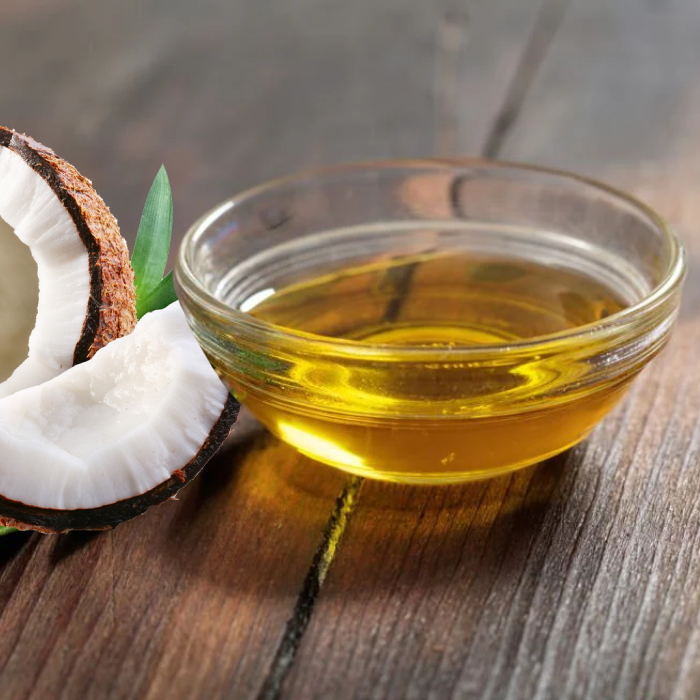
The primary output of this extraction line is Coconut Paring Oil. Paring oil typically exhibits a slightly darker yellow-to-brownish hue compared to water-white Virgin Coconut Oil. Nevertheless, it remains exceptionally rich in Lauric Acid (45% to 52%) and short-to-medium chain fatty acids. Therefore, its market value stays consistently strong year-round.
Moreover, after basic neutralization, bleaching, and deodorization (RBD refining), paring oil becomes completely suitable for human consumption. It is also ideal for cosmetics manufacturing, soap making, and industrial lubricant formulation. Likewise, pharmaceutical manufacturers utilize these refined fractions for specialized lipid applications.
The secondary output is Coconut Paring Oil Cake (Expeller Meal). Containing 18% to 22% crude protein along with residual fiber, this dried expeller cake provides an exceptional nutrient base for cattle feed, poultry rations, aquaculture feed, and biomass energy fuel. On top of that, local farmers actively seek out this nutrient-dense meal due to its high digestibility.
Operational Workflow of the Complete GTI Paring Oil Line
To achieve an overall oil recovery efficiency of up to 90%, Genex Tech Industries carefully designs continuous processing lines. Every single machine plays a specific role in preserving quality and driving mechanical throughput. Furthermore, every component communicates seamlessly with central automation controls.
1. Paring Collection & Conveyance
Fresh parings exit the primary paring section with high moisture levels. This often exceeds 55% to 65% water content.
Immediately after separation, they pass directly onto food-grade Stainless Steel (SS304) screw conveyors or belt elevators.
Raw parings decompose rapidly due to natural enzymatic oxidation and bacterial action. Therefore, GTI’s system ensures continuous automated conveyance straight into the drying loop without any manual delay.
As a consequence, free fatty acid (FFA) levels remain strictly suppressed from the very beginning.
2. Paring Washing & Pre-Treatment
Before drying begins, raw parings undergo high-pressure water washing. This thoroughly removes foreign organic debris, fiber dust, and surface dirt.
In addition to basic cleaning, an optional steam-blanching treatment at 85°C to 95°C neutralizes surface enzymes rapidly.
Consequently, this simple pre-treatment prevents FFA levels from rising before oil extraction occurs inside the expeller.
3. Mechanical Pre-Dewatering (Optional)
High-capacity plants (above 2,000 kg/hr) utilize a mechanical dewatering screw press. This significantly reduces energy consumption during the thermal drying stage.
Specifically, this press squeezes out free surface water efficiently. It drops total moisture from 60% down to approximately 40% to 45% purely through mechanical force.
As a direct result, boiler load drops dramatically. This saves substantial operational costs over time.
4. Thermal Drying Stage
Thereafter, the material moves to the thermal drying stage. This represents the technical core of the entire extraction plant.
The moist parings enter a specialized GTI dryer. Here, controlled heat and uniform airflow lower moisture content from 45% down to a strict 3% to 5% range.
Drying is absolutely essential. Excess moisture causes severe slippage inside mechanical oil expellers and promotes rapid oil hydrolysis during storage.
5. Screw Expelling & Oil Extraction
Next, dried parings enter the heavy-duty GTI mechanical oil expeller smoothly.
The machine features a hardened alloy-steel worm shaft. This shaft rotates continuously inside a heavy barrel cage.
As the screw advances the material through narrowing clearances, mechanical compression generates pressures exceeding 300 bar to 500 bar.
Subsequently, this immense pressure ruptures the plant cell walls entirely. It releases crude coconut paring oil through barrel discharge slots while discharging compressed oil cake from the cake outlet.
6. Fine Pressure Filtration
Meanwhile, raw crude oil squeezed out by the expeller contains tiny suspended solid particles. These are known as “foots” or fine cake dust (typically 3% to 5% by volume).
To eliminate these impurities, the crude oil passes through a vibrating screen separator first. It is followed immediately by a high-pressure plate-and-frame filter press equipped with fine polypropylene filter cloth.
Hence, this process eliminates all solid particles completely. It yields crystal-clear, sediment-free paring oil.
7. Storage & By-Product Handling
Finally, filtered oil moves automatically into food-grade SS304/SS316 storage tanks. These tanks feature digital level sensors and optional nitrogen-blanketing systems to prevent oxidative rancidity.
Simultaneously, the solid oil cake is cooled and shredded. It is then packed in woven bags or conveyed directly to automated animal feed pelletizing lines for immediate distribution.
Technical Dryer Selection: Which Dryer Is Best for Which Product?
A major technical challenge in agro-processing is selecting the exact thermal drying technology required for a given coconut fraction. Furthermore, applying the wrong dryer to a delicate material results in burned product, high energy waste, loss of essential nutrients, or uneven moisture distribution. Therefore, choosing equipment backed by solid engineering principles is essential.
Genex Tech Industries designs multiple specialized industrial drying systems. Below is a comprehensive analysis explaining which dryer is best for which coconut product:
| Coconut Product / Application | Recommended GTI Dryer Type | Thermal Range | Primary Selection Rationale |
| Raw Coconut Parings (Paring Oil Line) | Hot Air Rotary Drum Dryer / Continuous Multi-Tier Band Dryer | 80°C – 105°C | Handles non-uniform particle shapes, high initial moisture (60%), and sticky surface textures without clogging. Ensures uniform moisture reduction down to 3%–5%. |
| High-Fat Desiccated Coconut (DC) | Multi-Stage Continuous Stainless Steel Band Dryer | 65°C – 80°C | Gentle, non-agitated drying prevents oil bleeding, preserves snow-white color, maintains natural aroma, and complies with international food safety standards. |
| Low-Fat Desiccated Coconut Powder | Vibratory Fluid Bed Dryer (VFBD) | 75°C – 95°C | Fluidization ensures continuous movement, high heat transfer rates, rapid moisture removal, and zero clumping for uniform fine granules. |
| Virgin Coconut Oil (VCO) Powder | Advanced Micro-Atomization Spray Dryer | 150°C (Inlet) / 75°C (Outlet) | Instantaneous flash-evaporation converts liquid emulsions into free-flowing, encapsulated dry powder without degrading delicate heat-sensitive fatty acids. |
| Instant Coconut Milk Powder | Counter-Current Sanitary Spray Dryer | 160°C (Inlet) / 80°C (Outlet) | Gentle drying of rich coconut fat and protein emulsions retains natural solubility, mouthfeel, and authentic taste upon reconstitution. |
| Wet Granular Copra / Kernel Bits | Combination Fluid Bed Dryer | 70°C – 90°C | Combines conductive and convective heat zones to handle variable particle sizes and moisture gradients efficiently. |
Comprehensive Thermodynamic Fundamentals and Material Flow Control Dynamics
Engineers must analyze the internal thermodynamics of a continuous industrial drying and mechanical oil expelling complex. They evaluate how thermal heat transfer interacts dynamically with moisture evaporation, particle fluidization, and mechanical compression throughout every processing stage.
Thermal Pre-Treatment and Initial Drying Dynamics
Fresh raw parings enter the system at an elevated moisture level of 60%. Over half of the total incoming mass consists of water that must be systematically removed through controlled thermal application.
During the initial washing and pre-treatment phase, hot water or steam blanching elevates the core internal temperature of the parings to approximately 85°C to 95°C. This instantly inactivates surface lipolytic enzymes. It also lowers the surface tension of bound cellular water.
As pre-treated material enters the continuous rotary drum or multi-tier stainless steel band dryer, hot filtered air moves at calibrated linear velocities. It sweeps across the tumbling product bed, causing rapid surface moisture evaporation during the constant-rate drying period.
Critical Transition to Falling-Rate Diffusion
Thereafter, surface free water dissipates completely. Moisture content drops past the critical threshold of roughly 30%. At this point, the drying dynamic transitions smoothly into the falling-rate drying period.
During this phase, water removal is strictly governed by internal liquid diffusion through the dense fibrous matrix of the testa tissue.
To prevent structural case-hardening—where rapid superficial heating seals outer pores and traps internal moisture inside—GTI’s automated burner control system modulates supply air temperatures dynamically between 80°C and 105°C.
This maintains a consistent relative humidity gradient across the entire length of the drying chamber until parings reach a stable final moisture equilibrium of 3% to 5%.
Mechanical Expelling and Cell Structure Rupture
Upon exiting the thermal drying unit, conditioned parings exhibit increased cell wall friability and reduced elasticity. This dramatically enhances the mechanical friction coefficient when material enters the heavy-duty oil expeller barrel.
Inside the expeller, an alloy-steel worm shaft rotates continuously. It forces dried parings through gradually constricting flight gaps. Compressive forces build progressively up to 300 bar to 500 bar.
This extreme pressure ruptures plant cell walls entirely. It releases crude coconut paring oil through barrel discharge slots while discharging compressed oil cake from the cake outlet.
Pressure Management and Thermal Friction Balance
The intense mechanical compression generates localized frictional heat inside the barrel. This frictional warmth temporarily lowers crude oil viscosity.
As a result, liquid lipids drain cleanly through narrow barrel cage slots. Simultaneously, solid fibrous residues compact tightly into dense, uniform oil cake.
Furthermore, this entire thermal-mechanical continuum is monitored by continuous digital sensors linked directly to central PLC logic. This guarantees that subtle fluctuations in raw material moisture, feed rate, or ambient humidity are instantly compensated for. Continuous factory output and final oil quality remain uncompromised.
As moisture drops below 30%, internal water diffusion becomes the primary rate-limiting factor. Controlling ambient air humidity and temperature profiles is critical during this delicate phase. If air temperature rises too quickly, surface case-hardening occurs, trapping moisture inside the core. On the other hand, if air temperature remains too low, processing time increases unnecessarily, wasting valuable fuel. Therefore, GTI’s automated temperature control loops continuously modulate burner intensity and fan airflow based on real-time moisture feedback. As a result, thermal efficiency remains optimized regardless of ambient weather conditions or raw material variations. Consequently, overall fuel consumption drops significantly during extended operations.
Subsequently, as dried parings exit the dryer at roughly 4% moisture, their structural friability increases. This structural shift allows heavy-duty expeller screws to grip material firmly without slippage. As the screw shaft rotates, compressive shear forces rise exponentially, rupturing oil cells cleanly. Thus, oil viscosity decreases due to localized frictional warmth, enabling rapid drainage through barrel cage slots while the solid matrix compresses into dense oil cake. Eventually, this refined process yields maximum output with minimal wear on key components.
Highlighting Engineering Precision: Watch the GTI Paring Dryer in Action
To observe how GTI engineering handles coconut paring drying under real operating conditions, view the official manufacturing video below:
This video clearly demonstrates the structural design, automated material feeding mechanisms, and uniform drying controls engineered into GTI’s commercial coconut paring processing plants.
Technical Specifications & Performance Benchmarks
Genex Tech Industries supplies turnkey coconut paring oil processing plants tailored across a broad capacity range. This accommodates small-scale commercial units up to large industrial manufacturing complexes.
| Operational Parameter | Small Commercial Scale | Medium Industrial Scale | Large Mega-Plant Scale |
| Raw Paring Input Capacity | 100 kg/hr – 500 kg/hr | 1,000 kg/hr – 2,500 kg/hr | 3,000 kg/hr – 5,000+ kg/hr |
| Finished Oil Output (Approx.) | 35 kg/hr – 180 kg/hr | 350 kg/hr – 900 kg/hr | 1,080 kg/hr – 1,800+ kg/hr |
| By-Product Cake Yield | 45 kg/hr – 225 kg/hr | 450 kg/hr – 1,125 kg/hr | 1,350 kg/hr – 2,250+ kg/hr |
| Overall Oil Extraction Yield | 85% to 88% | 88% to 90% | 90% to 92% |
| Primary Dryer Type | Hot Air Rotary / Single Band | Rotary Drum / Multi-Tier Band | Continuous Multi-Stage Band |
| Raw Material Moisture Input | 50% to 65% | 50% to 65% | 50% to 65% |
| Dried Material Moisture Output | 3% to 5% | 3% to 5% | 3% to 5% |
| Final Filtered Oil Clarity | < 0.05% Suspended Solids | < 0.02% Suspended Solids | < 0.01% Suspended Solids |
| Material of Construction | SS304 / Heavy Duty MS | Food-Grade SS304 / Alloy Shafts | SS304 / SS316 Contact Parts |
| Connected Power Load | 10 kW – 25 kW | 30 kW – 65 kW | 70 kW – 120+ kW |
| Plant Automation Level | Semi-Automatic Control | Fully Automatic PLC + HMI | Industry 4.0 SCADA Integrated |
Key Advantages of Installing a GTI Coconut Paring Oil Line
Investing in dedicated paring oil machinery manufactured by Genex Tech Industries provides clear economic, operational, and commercial advantages across every dimension of factory performance:
1. Complete Transformation of Waste Streams into High-Margin Revenue
In a conventional coconut processing mill, parings represent an annoying disposal nuisance.
However, by deploying a GTI paring oil extraction line, plant owners convert an unwanted byproduct into premium commercial oil. This oil commands high market prices across global markets.
As a direct result, factory balance sheets improve almost overnight.
2. Exceptional Oil Extraction Yields
GTI utilizes heavy-duty screw press geometry and precise thermal conditioning inside the paring dryer. Consequently, the system recovers up to 90% of all available oil locked within the testa cells.
This high extraction efficiency directly drives maximum profitability per metric ton of processed coconut.
3. Food-Grade Engineering & Hygienic Standards
All product-contact surfaces inside GTI machinery are manufactured using high-purity Stainless Steel (SS304 or SS316).
In addition, the equipment complies fully with international hygiene and machinery directives. This includes CE Certification and US FDA Engineering Standards.
Thus, output oil meets strict global export quality parameters easily.
4. Advanced Automation & Reduced Labor Costs
GTI turnkey plants incorporate modern PLC (Programmable Logic Controller) systems paired with interactive touchscreen HMI interfaces.
Furthermore, automated temperature loops, variable frequency drives (VFDs) for screw feeders, and continuous safety interlocks allow a complete 5,000 kg/hr processing line to operate safely with minimal manual intervention.
Therefore, operational labor expenditure drops significantly over time.
5. High Return on Investment (ROI)
Raw material costs for parings are essentially internal transfer costs or low-cost acquisitions from local processors. Therefore, profit margins on extracted paring oil and oil cake are exceptionally high.
Indeed, most commercial installations achieve complete capital equipment payback within 12 to 18 months of continuous operation.
Comprehensive Economic Comparison: Raw Byproduct vs. Processed Output
Factory managers must evaluate the direct economic transformation that occurs when upgrading from raw waste disposal to automated paring processing.
The table below illustrates typical financial operational metrics based on a processing throughput of 10 Metric Tons (10,000 kg) of raw parings per day:
| Operational Scenario | Raw Material Handling | Processed Output Value | Net Daily Margin Impact |
| Traditional Waste Disposal / Raw Sale | Sold as raw un-dried biomass or discarded at low rates ($0.02 – $0.05 / kg). | Minimal recovery ($200 – $500 total revenue per 10 Tons). High decay loss. | Negative to negligible profit after accounting for handling labor and transport. |
| GTI Automated Processing Line (90% Extraction) | Processed internally through washing, drying, mechanical pressing, and filtering. | ~3,500 kg Refined Oil + ~4,500 kg High-Protein Cake generated daily. | Substantial Profit Generation ($4,500+ daily gross value depending on oil market prices). |
As demonstrated above, converting raw biomass into refined oil and animal feed cake fundamentally reshapes the financial dynamics of a coconut processing facility. Furthermore, energy consumption is minimized through GTI’s efficient heat recovery systems. As a result, operational expenses remain remarkably low, protecting net profit margins even during market price fluctuations. Consequently, long-term operational stability is assured under all commercial conditions.
Commercial Applications of Extracted Coconut Paring Oil
The refined lipids produced by a GTI processing line serve multiple high-growth global industries every single day:
-
Edible & Commercial Cooking Oil: After standard neutralization, bleaching, and deodorization (RBD), paring oil blends seamlessly with commercial cooking oils, frying fats, and baker’s shortenings.
-
Personal Care & Cosmetics Manufacturing: Due to its rich moisturizing qualities, natural skin penetration, and high content of essential fatty acids, paring oil is widely used in soaps, body lotions, hair oils, and facial creams.
-
Industrial Soaps & Detergents: Paring oil contains high concentrations of short-chain fatty acids. This makes it an ideal raw material for creating rich-lathering toilet soaps, heavy-duty liquid detergents, and specialized cleaning surfactants.
-
Industrial Lubricants & Bio-Solvents: Non-refined or technical-grade paring oil fractions serve as eco-friendly, biodegradable base fluids for industrial lubricants, cutting fluids, and hydraulic bio-oils.
-
Animal Feed & Aquaculture Nutrition: The solid oil cake by-product contains approximately 18% to 22% crude protein and 8% to 10% residual fat. This makes it a highly sought-after ingredient for commercial dairy feed pellets, poultry rations, and aquaculture diets.
Why Choose Genex Tech Industries LLP?
With over 25 years of specialized engineering experience and more than 500 successful installations worldwide, Genex Tech Industries LLP (GTI Group) is recognized as an international pioneer in agro-processing technology, advanced industrial drying systems, and turnkey coconut processing machinery.
Complete Turnkey Execution Capabilities
GTI does not simply build standalone equipment. On the contrary, we deliver end-to-end, ready-to-operate industrial installations. Our comprehensive services include:
-
Process Design & Custom Engineering: Customized plant layouts matched exactly to your factory floor footprint and local power/steam infrastructure.
-
In-House Precision Manufacturing: State-of-the-art manufacturing facilities operating under ISO 9001:2015 accreditation to guarantee high structural build quality.
-
On-Site Installation & Commissioning: Senior GTI mechanical and electrical engineers deploy directly to your site anywhere in the world to oversee assembly, piping, wiring, and cold/hot trial runs.
-
Operator Training & Process Optimization: Comprehensive training programs for your plant operators, ensuring smooth day-to-day operations, optimal fuel efficiency, and continuous yield control.
-
Global After-Sales & Spare Parts Support: Rapid dispatch of genuine replacement components, screw expeller wear parts, filter media, and 24/7 remote technical assistance.
Technical Project Planning: From Raw Parings to High-Purity Oil
Setting up a commercial coconut paring oil plant requires systematic planning across every stage of engineering execution. When partnering with GTI, our project management team guides clients through a structured sequence.
By maintaining strict technical control from initial feasibility studies through final hot commissioning, GTI ensures that every plant reaches its full rated processing capacity immediately upon startup. Furthermore, our dedicated support engineers stay on-site until local operators display complete operational confidence. As a result, seamless integration into your existing production workflow is guaranteed.
Conclusion & Call to Action
In conclusion, coconut parings are no longer an agricultural disposal problem. On the contrary, they represent an untapped source of high-margin commercial profit. By installing a GTI Coconut Paring Oil Processing Plant, coconut processors can capture valuable secondary lipids, minimize solid waste completely, create high-protein animal feed, and build a highly profitable circular manufacturing business.
Whether you operate an existing desiccated coconut factory looking to monetize your paring waste or an investor planning a brand new turnkey coconut processing complex, Genex Tech Industries provides the exact technology, machinery, and global project execution experience you need. Therefore, taking action today is the best step forward for your business.
Unlock the hidden value in your coconut processing operations today. Contact GTI’s engineering consultation team immediately to discuss project requirements, custom plant layouts, and complete technical quotations.
Official Contact Information & Corporate Head Office
Head Office Address:
GENEX Tech Industries LLP
10C, Sir William Jones Sarani (Middleton Row), Park Street,
Kolkata – 700071, West Bengal, India
Direct Phone / WhatsApp Contact:
+91-97489 06968 | +91-93300 77417
Official Business Email:
mktg@foodtechprojects.com | sales@foodtechprojects.com
Official Company Websites: