Seafood Processing Plant: Complete Machinery Guide for Fish, Shrimp & Frozen Seafood Export
Introduction: Engineering Excellence in Modern Seafood Processing
The global seafood industry operates under exceptionally strict quality parameters. Raw material freshness, rapid thermal reduction, and immaculate hygiene dictate export viability. Consequently, seafood processors and exporters across India and international markets invest in technologically advanced, integrated seafood processing plant solutions. This investment is essential because it meets strict regulatory frameworks established by the USFDA, European Union (EU), and Export Inspection Council (EIC) of India. Furthermore, modern equipment guarantees long-term operational consistency.
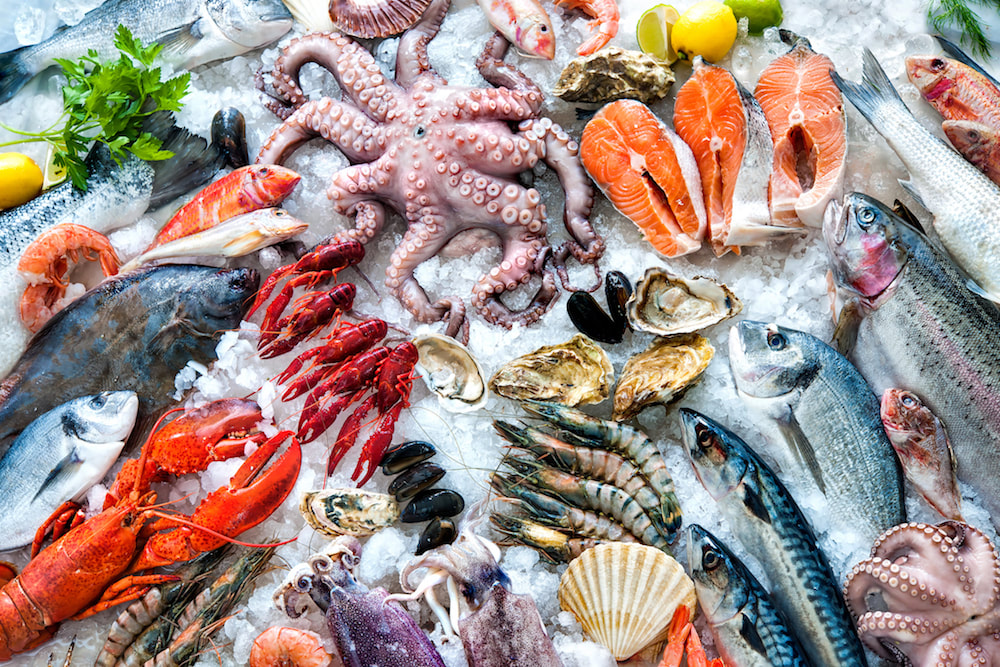
Raw marine catches begin to degrade rapidly immediately upon harvest. Species such as Penaeus vannamei, tiger prawns, pelagic finfish, demersal fish, squid, and cuttlefish suffer swift enzymatic degradation, lipid oxidation, and microbial growth. However, processors can halt this rapid deterioration effectively. They preserve premium texture, natural flavor, and high nutritional value through an engineered workflow. This workflow bridges meticulous raw material reception, precision grading, automated cleaning, specialized deheading, precision filleting, rapid freezing, uniform glazing, and sterile packaging.
Genex Tech Industries LLP (GTI) delivers complete turnkey plant engineering and specialized thermal processing solutions. Therefore, seafood exporters can maximize overall throughput, minimize costly product loss, and maintain unbroken cold-chain integrity. Whether you establish a high-capacity shrimp processing line, a versatile fish processing machinery layout, or specialized dehydration lines via GTIDryers.com for marine by-products and protein powders, selecting the right equipment is critical for commercial success.
1. The Seafood Export Landscape: Product-Specific Requirements
Overview of Seafood Processing Diversity
Seafood processing is inherently diverse across all categories. Unlike standardized manufacturing sectors, marine processing plants must accommodate wildly varying raw material physical characteristics. Equipment selection, water chemistry, thermal holding times, and mechanical handling techniques change dramatically depending on the specific product type.
Penaeus Vannamei and Tiger Shrimp Processing
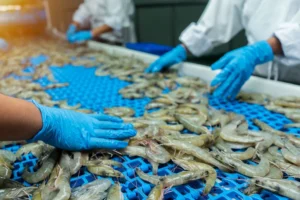
Shrimp processing requires delicate handling during every stage. This care prevents shell damage, black spot formation, and moisture loss. A dedicated shrimp processing line integrates chilled water staging, sodium metabisulfite treatment tanks, automated or manual deheading, size grading, peeling, deveining, washing, and rapid Individual Quick Freezing (IQF). In addition, maintaining core product temperatures below 4°C throughout wet processing stages suppresses bacterial growth reliably.
Finfish Processing (Pelagic and Demersal Species)
Finfish processing demands robust, adaptable machinery. The equipment handles varying fish morphologies easily, ranging from slender mackerel to bulky tuna, rohu, catla, and basa. Equipment configurations feature gentle conveyor systems, automated scaling machines, precision gutting tools, high-speed filleting lines, and pin-bone removers. Fillet integrity directly impacts market valuation in export destinations. Therefore, blade sharpness and variable speed drives are essential components of modern fish processing machinery.
Cephalopods and Value-Added Marine Products
Squid, cuttlefish, and octopus require specialized processing machinery. Plants rely on continuous cleaning, skinning, and ring-cutting units. Furthermore, processing facilities frequently integrate value-added processing zones for breaded, battered, skewered, or ready-to-cook marine portions. These advanced production lines require automated coating applicators and contact plate freezers.
2. Comprehensive Process Flow in a Modern Seafood Plant
Core Principles of Processing Layout
A successful export-grade seafood processing plant relies on a unidirectional, contamination-free process flow. The physical layout strictly separates early pre-processing zones from clean processing, freezing, and packaging areas.
Primary Receiving and Pre-Processing Stages
-
Raw Material Reception and Inspection: Catch arrives in insulated trucks or temperature-controlled containers. Workers weigh and sample the raw catch for freshness via organoleptic evaluation and temperature checks. Afterwards, staff immediately transfer the product into chilled holding bins containing ice-slurry maintained at 0°C to 2°C.
-
Pre-Washing and Initial Sorting: Raw seafood passes through initial bubble-washing tanks or high-pressure spray washers. This stage eliminates mud, sand, and surface slime effectively. Meanwhile, continuous sorting conveyors allow trained operators to cull damaged or spoiled specimens quickly.
Secondary Processing, Butchering, and Cleaning Stages
-
Grading and Weight Classification: Seafood flows directly through mechanical weight-graders or optical roller-graders. These units segregate shrimp or fish into precise commercial size categories automatically.
-
Primary Butchering, Deheading, and Filleting: Depending on the product type, seafood undergoes specialized deheading for shrimp, scaling and gutting for whole fish, or high-precision filleting. Automated knife assemblies minimize flesh tearing and maximize total yield recovery.
-
Secondary Cleaning and Peeled/Deveined (P&D) Processing: For shrimp, specialized peeling machines and automated deveining channels remove shells and intestinal tracts cleanly. Fillets simultaneously undergo careful trimming to remove blood spots, fat lines, and remaining pin bones.
Thermal Processing, Freezing, Glazing, and Packaging Stages
-
Chilling and Sanitization Rinses: Trimmed portions pass through secondary chilled water wash basins infused with food-grade sanitizing solutions. This process reduces the total microbial load significantly.
-
Freezing via IQF or Block Freezers: Products transfer rapidly into Individual Quick Freezing (IQF) tunnels or contact plate freezers. This step crosses the zone of maximum crystal formation (0°C to -5°C) in minimal time, locking in natural cellular structure.
-
Glazing and Ice Hardening: Frozen products pass through a cold water glaze applicator curtain operating at 1°C to 2°C. This action applies a protective ice coating with a 5% to 15% target moisture barrier, preventing freezer burn. Next, products enter an ice hardening chamber.
-
Weighing, Packaging, and Metal Detection: Products are automatically weighed, vacuum-sealed or poly-bagged, master-cartoned, and passed through high-sensitivity metal detectors. This guarantees absolute safety against foreign ferrous and non-ferrous contaminants.
-
Cold Storage Dispatch: Final cartons are palletized systematically. Afterwards, operators transfer them immediately into cold storage rooms maintained at -20°C to -25°C.
3. Core Machinery & Equipment Breakdown
Processing Machinery and Washers
Designing an integrated seafood freezing plant requires combining specialized machinery engineered from food-grade stainless steel (SS 304 and SS 316). Each machine serves a distinct operational purpose in the processing chain.
-
Insulated Receiving Bins and Tote Dumpers: Designed for sanitary offloading of raw catches from transport vehicles into chilled staging areas without physical bruising.
-
Bubble Washing Tanks: Utilize gentle compressed air agitation combined with fresh water circulation. They dislodge sand, scales, and organic debris from fish and shrimp surfaces gently.
-
Rotary Drum Washers: Feature perforated stainless steel drums that rotate slowly. They tumble and rinse whole fish or shellfish continuously and efficiently.
Sizing and Butchering Machinery
-
Roller-Type Mechanical Graders: Adjustable stainless steel roller gaps segregate shrimp and small fish by thickness with high precision.
-
Optical and Weight-Based Sorters: High-speed electronic grading lines analyze individual piece dimensions and weights, sorting products into multiple discharge channels automatically.
-
Pneumatic Shrimp Deheaders: Ergonomic workstations equipped with vacuum-assisted or mechanical clamp guides remove heads cleanly while retaining maximum meat integrity.
-
Automatic Fish Scalers and Gutters: Rotary brush scaling heads and precision belly-slit blades empty visceral cavities cleanly without puncturing delicate digestive organs.
-
High-Yield Band Saw and Filleting Machines: Dual-blade band saws and automated fillet cutting systems recover maximum flesh from diverse fish species.
Freezing and Quality Control Systems
-
Individual Quick Freezing (IQF) Tunnel Freezers: Utilize fluidized bed technology or high-velocity airflow to freeze loose shrimp, fish fillets, and cephalopod rings individually. This prevents clumping and preserves natural texture.
-
Horizontal and Vertical Contact Plate Freezers: Freeze shrimp blocks, fish blocks, and squid slabs under pneumatic pressure. They produce uniform rectangular blocks for export packaging.
-
Blast Freezers: High-capacity batch-loading chambers operating at -35°C to -40°C for large whole fish and bulk-packed marine items.
-
Precision Glazing Machines: Water curtain applicators with temperature-controlled chill baths apply a uniform ice glaze layer to IQF products.
-
Multi-Head Combination Weighers and Vacuum Packaging Machines: Automated high-speed weighing and sealing units eliminate underfilling and ensure airtight barrier packaging.
-
Conveyor-Mounted Metal Detectors and Checkweighers: Advanced electromagnetic detection units reject any package containing microscopic metal fragments automatically.
4. Industrial Dryers in Seafood Processing (GTIDryers.com)
Applications and Dryer Selection Criteria
While freezing is the cornerstone of fresh-export seafood plants, many modern processing facilities incorporate value-added dried marine ingredients. They process fish meal, pet food components, dried seafood snacks, salted fish flakes, shrimp powder, and marine protein hydrolysates. Genex Tech Industries LLP provides world-class industrial drying technology through GTIDryers.com, specifically tailored for the marine processing sector.
| Dryer Technology | Best Seafood / Marine Application | Key Operating Principle & Technical Advantage |
| Fluid Bed Dryers (FBD) | Shrimp powder, fish protein powders, granulated seasonings, small dried crustaceans. | Hot air passes upward through a perforated product bed, fluidizing particles. Ensures rapid moisture removal with 85% to 90% heat transfer efficiency. |
| Continuous Band Dryers | Dried fish slices, whole small dried fish, surimi sheets, marine snack strips. | Products move on a multi-tier stainless steel belt through zoned temperature chambers. Gentle handling prevents physical breakage of delicate structures. |
| Rotary Drum Dryers | Fish meal production, crustacean shell waste valorization for chitin, animal feed ingredients. | Direct or indirect heat transfer inside a rotating cylindrical shell inclined slightly. Handles high-moisture slurries and solid wastes efficiently. |
| Flash Dryers (Pneumatic Dryers) | Fish protein concentrate, fine marine powders, instant fish soup bases. | Wet material disperses into a high-velocity gas stream, drying product within seconds while preserving heat-sensitive amino acids. |
| Paddle Dryers | Viscous fish pastes, cooked fish slurries, marine extracts, concentrated fish solubles. | Intermeshing heated paddles rotate inside a stationary trough, providing intensive thermal contact and mechanical shearing for high-viscosity materials. |
| Refractance Window Dryers | High-value marine collagen extracts, omega-3 rich fish oils, premium seafood broth powders. | Utilizes circulating hot water energy transmitted through an infrared-transparent film, drying heat-sensitive bio-compounds gently without oxidation. |
Technical Dryer Integration Best Practices
When integrating drying lines into a seafood processing plant, moisture management is critical. Dried marine products must achieve final moisture levels below 8% to 10%. This prevents microbial spoilage and lipid rancidity during ambient or tropical storage. Furthermore, GTIDryers.com systems feature closed-loop dehumidification circuits, sanitary clean-in-place (CIP) spray balls, and food-grade interior finishes. These engineering choices eliminate product accumulation corners completely.
5. Capacity, Customization, and Scalability
Throughput Benchmarks and Design Flexibility
Seafood processing plants must match seasonal catch fluctuations and export quotas. Genex Tech Industries LLP designs modular processing plants capable of scaling seamlessly from small regional packing units to massive industrial export complexes.
-
Small-Scale Domestic Processing Units: Designed for a raw material intake of 1 ton to 3 tons per 8-hour shift. They are ideal for regional suppliers and local domestic markets.
-
Medium-Scale Export Facilities: Engineered for 5 tons to 15 tons per shift. They feature semi-automated grading, washing, and dual IQF or block freezing lines.
-
Large-Scale Industrial Export Plants: High-throughput facilities handling 20 tons to 50+ tons per shift. They feature fully automated multi-stage washing, optical sorting, high-speed peeling lines, continuous IQF freezing tunnels, and integrated automated packaging.
Customization options include adjustable conveyor heights, modular freezing zone expansions, multi-fuel boiler or electrical heating integration for associated drying lines, and specialized seawater intake filtration systems for coastal installations.
6. Plant Design Considerations: Engineering for Export Compliance
Infrastructure and Utilities Engineering
Establishing a globally compliant seafood processing plant requires attention to civil, mechanical, and sanitary design parameters.
Seafood processing consumes massive volumes of potable water. Plants require deep-well or municipal water intake coupled with heavy-duty RO (Reverse Osmosis) plants, UV sterilization units, and chlorination dosing systems. Consequently, this engineering setup guarantees total compliance with international microbiological standards.
Uninterrupted electrical power is mandatory for modern seafood processing. Facilities require heavy-duty backup diesel generators to maintain cold-room temperatures and refrigeration compressor operation during grid power outages. Additionally, installing Variable Frequency Drives (VFDs) on pumps and conveyors reduces electrical consumption by 20% to 30%.
Organic waste, blood, scales, and washwater require robust effluent treatment systems. Plants install biological and chemical ETPs capable of reducing Biological Oxygen Demand (BOD) and Chemical Oxygen Demand (COD) significantly before environmental discharge.
Hygienic Layout and Sanitation Standards
Plant layouts must enforce strict physical zoning rules. Low-risk areas like reception and washing remain completely segregated from high-risk areas like post-freezing packaging and ready-to-eat processing. Employees transition between zones through foot-bath sanitization stations, air showers, and color-coded staff apparel.
All structural frames, ductwork, wall panels, and machinery utilize AISI 304 or 316 stainless steel. Furthermore, floors feature food-grade anti-microbial epoxy coatings with positive drainage slopes. In addition, automated CIP circuits ensure thorough sanitization of internal piping, pumps, and dryer chambers without requiring manual disassembly.
7. Cost Factors and Investment Drivers
Key Capital Expenditure Drivers
Calculating the capital expenditure (CapEx) and operational expenditure (OpEx) of a seafood processing plant involves evaluating multiple interrelated variables. Exporters evaluate specific operational requirements rather than relying on generic turnkey price estimations.
Plants dedicated exclusively to shrimp require specialized peeling and grading equipment. In contrast, mixed-species plants require versatile filleting, gutting, and multi-product freezing capabilities.
Automated optical sorters, robotic palletizers, and high-speed IQF tunnels increase initial CapEx significantly. However, they drastically reduce long-term labor costs and product giveaway percentages over time.
Refrigeration represents up to 40% of total plant energy consumption. Therefore, investing in high-efficiency screw compressors, evaporative condensers, and insulated polyurethane foam (PUF) sandwich panels optimizes long-term OpEx.
Integrating specialized drying lines from GTIDryers.com converts shrimp shell waste and fish trimmings into high-value chitin or animal feed. As a result, this valorization creates lucrative secondary revenue streams and accelerates overall Return on Investment (ROI).
8. Transition Word Expansion: Detailed Equipment Analysis
Temperature Control and Pre-Processing Workflows
Moreover, modern seafood processing plants must maintain flawless temperature control across every step. Furthermore, raw materials require instant thermal reduction as soon as they arrive at the loading bay. In contrast to conventional food processing facilities, seafood plants operate under severe time constraints. Consequently, any delay during the initial pre-processing phase can compromise total product quality. Therefore, integrating automated conveyors between reception and processing zones is exceptionally beneficial. Furthermore, this continuous movement eliminates manual handling delays almost entirely. Additionally, operators can monitor line speed continuously to match incoming raw material volumes smoothly.
Advanced Washing and Contamination Control
In addition, advanced washing systems play a crucial role in eliminating surface contaminants. Specifically, bubble washers generate controlled air agitation that removes sand and organic particles gently. Furthermore, continuous water filtration loops ensure that recycled wash water remains completely free of floating debris. Consequently, processors achieve superior hygienic standards without wasting excessive amounts of fresh water. Meanwhile, rotary drum washers provide continuous cleaning action for whole fish and crustacean species. Thus, combining multiple washing technologies creates an impenetrable primary barrier against foreign contamination.
Precision Mechanical and Optical Sizing
Moreover, mechanical size grading provides massive commercial advantages for exporters. Furthermore, automated roller graders separate raw shrimp into uniform count categories rapidly. As a result, processors eliminate human error during the sizing process completely. Additionally, optical sorting machines evaluate both shape and color parameters simultaneously. Consequently, off-color or damaged specimens are rejected from the primary line automatically. Furthermore, this high-precision sorting guarantees that export shipments strictly match customer specifications every time. Therefore, initial capital investments in high-speed sorting machinery pay off rapidly through premium export pricing.
Butchering, Filleting, and Yield Optimization
In addition, the butchering and filleting stage demands extreme mechanical precision. Furthermore, automated deheading machines adjust to varying shrimp sizes dynamically. Consequently, operators achieve maximum yield recovery while preserving valuable head meat cleanly. Meanwhile, fish filleting machinery utilizes dual rotating blades that adjust automatically to fish carcass dimensions. Furthermore, these sharp blades cut cleanly along the backbone, minimizing expensive flesh retention on discarded bones. Additionally, integrated pin-bone removers extract fine bones cleanly without tearing fragile muscle fibers. Therefore, finished fillets maintain structural integrity and visual appeal for demanding international markets.
Chemical Management and Safety Dosing
Moreover, chemical treatments during wet processing must be managed with absolute precision. Furthermore, dipping shrimp in controlled sodium metabisulfite solutions prevents melanosis or black spot formation effectively. However, over-exposure can lead to excessive chemical residues that violate strict import regulations in foreign markets. Consequently, automated dosing pumps maintain exact chemical concentrations continuously. Additionally, temperature-controlled dip tanks ensure that chemical absorption occurs uniformly across every batch. Furthermore, continuous monitoring sensors alert operators immediately if concentration levels drift outside safety parameters. Therefore, automated chemical management protects both product visual quality and food safety compliance.
Individual Quick Freezing (IQF) Mechanics
In addition, thermal reduction techniques represent the most critical technology in a seafood freezing plant. Furthermore, Individual Quick Freezing (IQF) tunnel freezers utilize advanced fluidized bed mechanics. Specifically, cold air blasts upward through perforated stainless steel mesh belts, suspending individual food items briefly in mid-air. Consequently, shrimp, fish fillets, and squid rings freeze rapidly as separate pieces without sticking together in solid masses. Furthermore, this rapid freezing process prevents the growth of large, destructive ice crystals inside cellular structures. Consequently, cellular walls remain completely intact, eliminating drip loss and texture degradation upon final thawing.
Industrial Block Freezing Operations
Moreover, block freezing remains a popular and cost-effective export method for bulk shipments. Furthermore, contact plate freezers apply direct hydraulic pressure to packaged seafood blocks during the freezing cycle. Consequently, heat transfers rapidly from the product into freezing aluminum plates containing circulating refrigerant. Furthermore, this uniform pressure creates dense, square blocks that pack efficiently into international shipping containers. Additionally, block freezers consume significantly less electrical energy per kilogram of frozen product compared to open blast freezers. Therefore, plate freezing provides an economical solution for high-volume commercial seafood operations.
Glazing and Ice Hardening Protection
In addition, protective ice glazing is mandatory for long-term frozen seafood storage. Furthermore, passing frozen products through precision water curtain glazing machines applies a smooth, continuous layer of ice. Specifically, this ice glaze seals the product completely, preventing surface oxidation and severe freezer burn during long marine transport voyages. Furthermore, maintaining glaze water temperatures near 1°C prevents partial thawing of the frozen product core during application. Additionally, hardening tunnels freeze the newly applied ice glaze instantly, locking in the protective barrier. Therefore, professional glazing equipment ensures that seafood arrives at overseas destinations in pristine condition.
Packaging, Weighing, and Quality Inspection
Moreover, automated packaging and inspection lines finalize the production process cleanly. Furthermore, multi-head combination weighers measure exact batch weights rapidly without human intervention. Consequently, product giveaway is reduced to negligible levels, preserving overall processor margins. Additionally, vacuum packaging machinery removes residual oxygen from barrier bags completely, extending frozen shelf life significantly. Furthermore, conveyor-mounted metal detectors scan every packed carton for potential metal contaminants. Consequently, non-compliant packages are rejected automatically into locked holding bins. Therefore, multi-stage quality checks guarantee complete consumer safety and protect brand reputation worldwide.
Value-Added Drying and Waste Valorization
In addition, specialized drying lines offer incredible diversification opportunities for modern seafood processors. Furthermore, integrating industrial dryers from GTIDryers.com converts low-value processing waste into highly lucrative commercial products. Specifically, fluid bed dryers process shrimp heads and fish trimmings into valuable protein powders and marine seasonings. Furthermore, rotary drum dryers handle heavy fish meal production efficiently, supplying high-protein ingredients to the global aquaculture industry. Consequently, processors transform costly waste disposal challenges into continuous secondary revenue streams. Therefore, incorporating drying technology creates a sustainable, zero-waste marine processing business model.
Utility Optimization and Energy Management
Moreover, designing an efficient utility network is vital for long-term plant profitability. Furthermore, industrial refrigeration systems require high-efficiency screw compressors and evaporative condensers. Specifically, utilizing variable frequency drives on motor controls reduces electrical spikes and lowers energy consumption noticeably. Additionally, advanced heat recovery systems harvest waste heat from refrigeration compressors to preheat water for sanitation routines. Consequently, thermal efficiency is maximized across the entire processing facility. Therefore, intelligent utility design drastically lowers daily operating costs while supporting sustainable manufacturing practices.
Automated Clean-in-Place (CIP) Sanitization
In addition, plant sanitation procedures must be executed systematically to prevent cross-contamination risks. Furthermore, modern processing facilities feature integrated Clean-in-Place (CIP) systems that wash internal pipe networks and machinery automatically. Specifically, high-pressure spray nozzles circulate alkaline detergent and acid sanitizing solutions through processing circuits without requiring manual disassembly. Consequently, downtime between shifts is reduced substantially while maintaining flawless hygienic standards. Furthermore, automated sanitization records provide verifiable audit trails for international food safety regulators. Therefore, automated sanitation technology ensures continuous compliance with strict global standards.
Plant Ergonomics and Worker Safety
Moreover, labor ergonomics and plant safety play critical roles in maintaining high operational throughput. Furthermore, installing height-adjustable workstations minimizes worker fatigue during long processing shifts. Additionally, non-slip epoxy floors with positive drainage slopes prevent standing water accumulation and workplace slipping hazards. Furthermore, automated tote dumpers and pneumatic lifting systems eliminate heavy manual lifting tasks for plant operators. Consequently, injury rates decrease noticeably while overall worker productivity increases. Therefore, investing in ergonomic plant design creates a safer, more efficient production environment.
Digital Traceability and Lot Tracking
In addition, export-oriented seafood plants must maintain comprehensive digital traceability systems. Furthermore, barcode and RFID tracking tags are applied to raw material totes upon arrival at the receiving bay. Specifically, these digital identifiers follow the product through grading, butchering, freezing, and packaging stages automatically. Consequently, plant managers can trace any finished carton back to its original raw material source within seconds. Furthermore, digital lot tracking simplifies recall procedures immensely if quality anomalies arise in export markets. Therefore, robust digital infrastructure builds immense trust with international seafood buyers.
Strategic Location and Export Logistics
Moreover, strategic geography and logistics integration enhance overall plant competitiveness significantly. Furthermore, locating processing facilities near major fishing harbors or aquaculture hubs reduces raw material transit times substantially. Consequently, raw seafood enters the cold chain in exceptionally fresh condition, maximizing final product grading scores. Additionally, maintaining proximity to major commercial container ports streamlines frozen export shipping logistics immensely. Furthermore, establishing strategic partnerships with reliable cold-chain logistics providers ensures that target storage temperatures are maintained throughout global transit. Therefore, optimized location planning maximizes overall operational efficiency and commercial profitability.
9. Frequently Asked Questions (FAQs)
What processing capacity should I choose for a new export-oriented seafood plant?
Choosing capacity depends on your raw material sourcing agreements and target export markets. For new exporters, starting with a modular medium-scale plant handling 5 tons to 10 tons per shift is optimal. This allows operational stability and HACCP certification acquisition before scaling up to 25+ tons per shift through modular freezer additions.
What is included in a turnkey seafood processing plant by Genex Tech Industries?
A complete turnkey project from Genex Tech Industries LLP encompasses conceptual layout design, civil and utility planning, manufacturing and supply of all processing machinery (washing, grading, deheading, filleting, freezing, and packaging lines), installation, electrical integration, trial runs, HACCP compliance documentation, and comprehensive staff training.
How does equipment selection differ between shrimp processing lines and finfish plants?
Shrimp processing lines focus heavily on gentle washing, sodium metabisulfite dosing control, precise mechanical/optical grading, and rapid deheading/peeling to prevent surface melanosis and meat damage. Finfish plants, in contrast, require robust heading, scaling, gutting, high-speed filleting blades, and heavy-duty conveyor systems engineered to handle diverse body shapes and bone structures.
Why is rapid freezing (IQF) critical for export-grade seafood?
Rapid freezing allows the product to pass through the critical zone of maximum ice crystal formation (0°C to -5°C) in under 30 minutes. This prevents the formation of large jagged ice crystals that rupture cell walls, which otherwise causes severe drip loss, mushy texture, and flavor degradation upon thawing.
Can industrial dryers be integrated into a standard seafood freezing plant?
Yes. Many leading seafood processors integrate industrial dryers from GTIDryers.com—such as fluid bed dryers or rotary drum dryers—to process seafood waste into valuable fish meal, or to manufacture dried marine snacks and protein powders, thereby achieving zero-waste operations and maximizing profitability.
Conclusion & Preliminary Consultation
Establishing a state-of-the-art seafood processing plant requires precision engineering, robust hygienic design, and seamless integration across raw material reception, thermal processing, freezing, and packaging. Whether you are launching an export-grade shrimp processing line, upgrading fish processing machinery, or incorporating specialized marine drying systems, partnering with experienced technologists ensures long-term operational success and global market competitiveness.
Partner with Genex Tech Industries LLP
Ready to discuss your upcoming seafood processing or freezing project? Share your target product types, raw material daily volume, required freezing/processing capacity, and destination export country with our engineering team for a comprehensive preliminary discussion.
Head Office Address:
GENEX Tech Industries LLP
10C, Sir William Jones Sarani (Middleton Row), Park Street,
Kolkata – 700071, West Bengal, India
Direct Phone / WhatsApp Contact:
+91-97489 06968 | +91-93300 77417
Official Business Email:
mktg@foodtechprojects.com | sales@foodtechprojects.com
Official Company Websites: