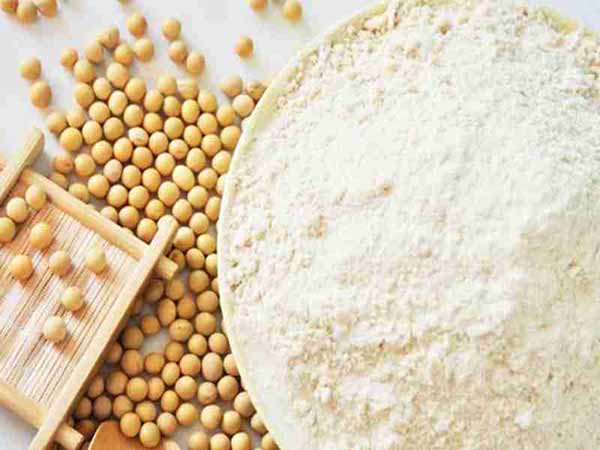
The continuous global shift toward sustainable plant-based nutrition rapidly transforms the modern food processing landscape. Today, engineering teams elevate alternative proteins from small niche markets into massive mainstream industrial operations. However, establishing a commercial plant protein processing plant requires sophisticated machinery, precise thermal management, and highly robust material handling systems. Furthermore, prominent regulatory bodies like the Ministry of Food Processing Industries (MoFPI) officially classify plant-based protein manufacturing as a distinct, high-priority sector profile. Consequently, this formal classification highlights its immense economic potential and strong export viability for modern investors.
Because raw ingredients differ drastically, industrial project planners must understand that plant-protein processes vary significantly by source material. For example, raw soybeans, field peas, chickpeas, mung beans, and lentils all require unique mechanical configurations. Additionally, processing steps change depending on your target finished product specification, whether you produce whole flour, functional concentrate, or high-purity protein isolate. Therefore, designing an efficient protein powder manufacturing plant demands an exhaustive analysis of every unit operation. Processors must carefully manage raw material cleaning, precision milling, chemical extraction, membrane filtration, thermal concentration, specialized drying, and aseptic powder packaging.
Understanding Plant-Based Protein Processing: Core Classifications & Variability
Plant-protein processing depends entirely on the chemical composition and complex structural matrix of the raw seed or pulse. Unlike animal proteins, plant proteins remain tightly bound within rigid cellular matrices alongside native starches, insoluble dietary fibers, anti-nutritional factors, and complex oligosaccharides. Therefore, processing lines must selectively isolate the valuable protein fraction while preserving essential functional properties. Consequently, well-designed machinery protects original protein solubility, gelation strength, emulsification capacity, and water-binding capacity throughout the production cycle.
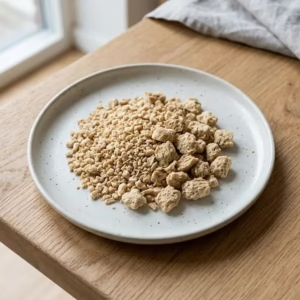
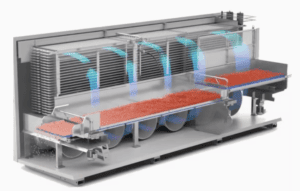
The process flows sequentially from raw seed or pulse preparation into mechanical milling and fractionation. At this stage, processing splits into either a dry process route through air classification to yield protein flour with 50% to 65% protein content, or a wet process route through aqueous extraction to produce a soluble extract. The soluble extract then undergoes membrane filtration or isoelectric precipitation to produce either protein concentrate containing 65% to 80% protein or high-purity protein isolate with 90% or greater protein content.
Flours, Concentrates, and Isolates: Distinguishing the Grades
In any commercial soy protein processing line or pea protein processing machinery installation, end products fall into three distinct commercial categories based on total dry-matter protein purity:
-
Plant Protein Flours: These products represent the least refined category, typically containing between 50% and 65% total protein. Operators manufacture protein flour by mechanically cleaning, de-hulling, milling, and defatting raw pulses or oilseeds without intensive chemical extraction. Because these flours retain significant amounts of dietary fiber and complex carbohydrates, food manufacturers routinely mix them into commercial baking recipes, extruded snacks, and livestock feeds.
-
Plant Protein Concentrates (PPC): Concentrates feature a higher protein content, usually ranging from 65% to 80% on a dry weight basis. During production, operators wash away soluble sugars, inorganic ash, and low-molecular-weight non-protein constituents. For this purpose, engineers utilize aqueous alcohol washes, mild acid leaching, or gentle thermal denaturation techniques. As a result, protein concentrates exhibit balanced functional properties, which makes them ideal for nutritional beverages, bakery items, and plant-based meat analogs.
-
Plant Protein Isolates (PPI): Isolates represent the absolute highest tier of purity, boasting an overall protein concentration of 90% or greater. Achieving this extreme level requires rigorous solubilization, alkaline extraction, isoelectric precipitation, ultrafiltration, and neutralizing steps. Consequently, isolates offer exceptional liquid solubility, neutral flavor profiles, and superior emulsifying properties. Therefore, premium brand owners require protein isolates for sports nutrition beverages, infant formulas, and advanced clinical nutrition products.
Source-Specific Variability: Soy versus Pea and Other Pulses
Raw material selection directly dictates equipment sizing, chemical consumption, and thermal drying capacity across the facility.
-
Soy Protein Processing: Raw soybeans are high-lipid oilseeds containing roughly 18% to 22% oil alongside 38% to 42% protein. Consequently, a standard soy protein processing line must include a preliminary solvent extraction stage. Operators typically apply food-grade hexane to extract crude oil, leaving behind high-quality defatted soybean meal for downstream protein separation. Alternatively, specialized organic facilities utilize mechanical cold-pressing or aqueous extraction techniques to avoid chemical solvents entirely.
-
Pea and Pulse Protein Processing: Field peas, lentils, and chickpeas belong to the legume family, which contains minimal fat (1.5% to 3%) but abundant starch (40% to 50%) and substantial protein (22% to 30%). Therefore, dedicated pea protein processing machinery does not require solvent defatting modules. Instead, the production line relies on dry air classification or wet alkaline extraction followed by wet isoelectric precipitation. Consequently, these steps smoothly separate native pea starch from the soluble protein liquid.
Raw Material Preparation & Cleaning Phase
The industrial journey of plant protein begins within the raw material intake and cleaning section. Modern facilities process incoming raw pulses or oilseeds through rigorous cleaning and conditioning stages. As a result, operators remove foreign impurities, heavy stones, metal fragments, shriveled grains, and weed seeds before processing starts. This vital step effectively protects expensive downstream milling equipment while upholding strict global food safety standards.
The preparation sequence begins at the raw grain intake, moves to a scalper for coarse screening, continues through a destoner to remove dense solids, passes through a magnetic separator for metallic tramp removal, and concludes at the de-huller for husk separation.
Mechanical Cleaning and Destoning
Initially, operators unload raw grain into large receiving hoppers, where mechanical augers or pneumatic lines convey the material directly to industrial scalpers and rotary drum cleaners. These specialized machines use vibrating wire screens with varied mesh openings to separate oversized debris and fine dust particles instantly. Subsequently, the moving grain stream enters heavy-duty gravity separators and destoners.
-
Magnetic Separation: Technicians position powerful Neodymium magnets at critical chute junctions. As a result, these magnets continuously capture magnetic tramp metal fragments from the fast-flowing grain stream.
-
Aspiration Channels: High-velocity counter-current air streams lift lightweight chaff, husks, and dust away from dense, healthy seeds. Consequently, only clean grain moves forward.
-
Destoning Tables: Destoners utilize fluidized bed principles and natural density differences to lift light seeds on cushion air beds. Simultaneously, heavy stones, glass, and dense foreign particles settle out, reaching a separation efficiency above 99.5%.
De-Hulling, Tempering, and Conditioning
After basic cleaning, raw seeds pass into industrial de-hulling machines to remove the fibrous outer seed coat or hull. Removing the hull is critical because it contains bitter tannins, dark natural pigments, and insoluble crude fiber. Without de-hulling, these unwanted components would degrade the final powder’s visual color and functional flavor profile.
-
Impact De-Hulling: Centrifugal de-hullers accelerate incoming seeds against hardened impact rings. Thus, the mechanical impact cleanly shatters the outer hull along its natural cleavage plane.
-
Moisture Conditioning: When processing soybeans and hard pulses, technicians inject precise amounts of steam or atomized water mist. This conditioning adjusts internal seed moisture to between 10% and 13%. As a result, the moisture softens the inner cotyledons, preventing excessive pulverization during subsequent milling operations.
Milling & Particle Size Reduction Mechanics
Following successful preparation, the grain enters the milling section for mechanical particle size reduction. Here, high-impact force liberates individual protein bodies from surrounding starches and tough cellular walls. Operators choose specific milling machinery based on whether the factory operates a dry or wet separation line.
The size reduction process routes de-hulled grain sequentially through a hammer mill for primary breakdown, a pin mill for secondary size reduction, and an air classifier to collect uniform fine flour.
Industrial Hammer Mills and Roller Mills
For initial primary size reduction, heavy-duty industrial hammer mills fitted with interchangeable perforated screens (1.0 mm to 3.0 mm) smash the raw material. Inside the chamber, high-speed hardened steel hammers shatter incoming pulse cotyledons into coarse meal within seconds.
-
Roller Mills: Oilseed preparation plants rely heavily on multi-stage corrugated roller mills. These smooth rollers press prepared soybean cotyledons into exceptionally thin flakes (0.25 mm to 0.35 mm thickness). Thus, flaking ruptures internal oil cell walls, allowing quick solvent penetration during downstream oil extraction.
Pin Mills and Air-Classifier Mills (ACM)
To produce ultra-fine particle sizes for premium protein concentrates and flours, processors install pin mills and air-classifier mills.
-
Pin Mill Operation: High-speed rotating discs equipped with concentric intermeshing steel pins generate intense impact and shear forces. Consequently, this mechanical force reduces average particle sizes down to a median diameter between 20 and 45 micrometers.
-
Air Classification Integration: Dry fractionation plants send finely ground pea flour straight into air classifiers. Inside the chamber, controlled spiral air streams split the flour into a protein-rich fine fraction (particle size under 15 micrometers) and a starch-rich coarse fraction. Meanwhile, operators maintain precise airflow rates, rotor speeds, and internal temperatures. As a result, frictional heat remains strictly below 45°C, preserving sensitive plant proteins from damaging thermal denaturation.
Extraction & Separation Technologies
Extraction serves as the primary chemical phase where water or solvents dissolve target proteins away from insoluble plant matter. Depending on whether your plant protein processing plant produces isolates or concentrates, processing routes diverge noticeably at this stage.
For wet isolate production, fine flour undergoes alkaline extraction, moves to a decanter centrifuge for solid-liquid separation, undergoes isoelectric acidification to precipitate proteins, enters a disk centrifuge for curd polishing, and is dried in a spray dryer to yield finished isolate powder.
Aqueous and Alkaline Extraction
When manufacturing high-purity protein isolates, operators mix defatted meal or fine flour with pure extraction water inside large stainless steel vessels. Typically, system controls maintain a solid-to-liquid ratio between 1:6 and 1:10.
-
pH Adjustment: Dosing pumps inject food-grade sodium hydroxide or potassium hydroxide to shift the slurry pH into a weakly alkaline range (7.5 to 9.0). Because alkaline conditions increase net negative charges on protein molecules, the target proteins dissolve rapidly into the surrounding water.
-
Agitation and Retention: Continuous stirred-tank reactors (CSTR) equipped with broad anchor or pitched-blade agitators keep the heavy slurry suspended. Furthermore, heat exchangers hold fluid temperatures between 45°C and 60°C for 30 to 60 minutes. Therefore, maximum protein yields dissolve cleanly into the liquid phase.
Liquid-Solid Phase Separation
After completing extraction, the slurry contains dissolved protein extract alongside dense insoluble fibrous residues (commonly called okara or spent pulse solids). Therefore, industrial separation machinery must act quickly to capture maximum liquid yield.
-
Decanter Centrifuges: Horizontal solid-bowl decanter centrifuges spin at high speeds, generating centrifugal forces up to 3,000 x g. Consequently, the heavy centrifugal force continuously ejects fibrous solids out one end while clarifying liquid protein extract flows out the other. The wet fiber fraction usually contains 65% to 75% moisture, so operators divert it toward animal feed or dietary fiber lines.
-
Disk Stack Centrifuges: High-speed, self-cleaning disk stack centrifuges polish the liquid protein stream further. Rotating at speeds up to 6,000 RPM, these disk stack units separate lingering micro-solids and fine starch particles. As a result, clarification efficiency reaches sub-micron levels.
Isoelectric Precipitation
To collect dissolved proteins from clarified liquid extract, technicians adjust the solution pH downward toward the protein’s natural isoelectric point (typically pH 4.5 to 4.8). Operators add controlled amounts of food-grade hydrochloric acid or phosphoric acid under continuous stirring. Because net electrical charges on protein molecules drop to zero at this exact pH level, individual proteins instantly aggregate, precipitate, and form solid curds.
Filtration & Membrane Separation (Ultrafiltration & Diafiltration)
Modern protein factories rely heavily on membrane filtration technology. Membrane systems allow processors to yield highly functional protein concentrates without using harsh chemical precipitation steps.
During membrane treatment, clarified extract enters ultrafiltration where water, ash, and sugars are removed as permeate. The retained fraction then undergoes diafiltration to wash away residual impurities as secondary permeate, yielding a purified liquid concentrate.
Ultrafiltration (UF) and Diafiltration (DF)
Ultrafiltration units utilize specialized polymeric or ceramic spiral-wound membranes with Molecular Weight Cut-Off (MWCO) ratings ranging from 10,000 to 50,000 Daltons.
-
Concentration Phase: High-pressure booster pumps push clarified protein extract across membrane surfaces under transmembrane pressures between 2.0 and 4.5 bar. Water, minerals, and low-molecular-weight sugars (such as flatulence-causing raffinose and stachyose) pass cleanly through membrane pores as permeate. Meanwhile, high-molecular-weight proteins remain on the retentate side, concentrating significantly.
-
Diafiltration Phase: To push purity levels higher, operators continuously inject clean deionized water into the circulating retentate stream at a rate matching permeate discharge. Consequently, this diafiltration washing step purges residual anti-nutritional factors and minerals. As a result, protein purity on a dry basis rises from 60% up to 80%-85% prior to thermal drying.
-
Operating Parameters: Automated thermal controls hold fluid temperatures strictly between 10°C and 55°C to protect membrane materials and protein structures. Additionally, fully automated Clean-In-Place (CIP) systems wash membranes daily with enzymatic and caustic solutions to eliminate bio-fouling and maintain steady filtration flux.
Thermal Concentration & Evaporation Systems
Before pumping liquid protein streams into thermal dryers, processing plants run material through pre-concentration evaporators. Pre-concentrating liquid mechanically via evaporation saves tremendous amounts of thermal energy compared to evaporating all remaining water inside a hot air dryer.
In this step, a dilute protein stream feeds directly into an MVR or TVR evaporator, which removes excess moisture mechanically to output a viscous slurry containing 35% to 48% total solids.
Falling Film Evaporators
Multi-effect falling film evaporators serve as the reliable industry standard for pre-concentrating protein extracts and slurries up to a high dry-matter content of 35% to 48%.
-
Mechanism: Distribution nozzles spread incoming liquid protein evenly across the top of long vertical tube bundles inside heating calandrias. Consequently, gravity pulls the liquid downward in a uniform thin film along inner tube walls. Meanwhile, steam condensing on the shell side transfers thermal energy rapidly across metal tube walls, boiling off moisture.
-
Vapor Recompression: Modern facilities integrate Mechanical Vapor Recompression (MVR) or Thermal Vapor Recompression (TVR) systems. These units re-compress secondary steam vapors and route them straight back into evaporator heating shells. Therefore, overall thermal efficiency increases drastically while utility steam costs plummet.
-
Temperature Control: Deep vacuum systems lower interior boiling temperatures down to a gentle 55°C to 70°C range. Consequently, low boiling temperatures prevent protein denaturation, product scorching, and undesirable Maillard browning reactions, protecting overall solubility and clean natural colors.
Industrial Drying Technologies in Plant Protein Processing
Drying represents the most crucial and energy-intensive processing phase inside a plant protein processing plant. Because plant proteins are delicate biopolymers, selecting the correct industrial dryer is vital to protect functional performance, such as Nitrogen Solubility Index (NSI), emulsification strength, and color.
Furthermore, different drying systems perform distinct roles across the production spectrum:
-
Spray Dryers: Process incoming slurries into high-purity protein isolates and fine powders.
-
Flash Dryers: Rapidly dry wet filter cakes and fibrous residues like okara.
-
Rotary Drum Dryers: Handle coarse grain, whole pulses, and bulk seed flakes.
-
Band Dryers: Dry texturized plant protein (TVP) and structured meat replacement chunks.
-
Paddle Dryers: Process solvent-wet meals, viscous slurries, and organic residues.
1. Spray Dryers
-
Primary Application: Spray dryers represent the absolute best choice for high-value protein isolates, instantized protein powders, and functional concentrates requiring uniform fine particle sizes, smooth flowability, and instant water solubility.
-
Operating Principle: High-pressure pumps force concentrated protein slurry (35% to 45% total solids) into atomizers positioned at the top of a large tower. System designers deploy either high-pressure single-fluid nozzles or high-speed centrifugal rotary atomizers spinning at 10,000 to 20,000 RPM. These atomizers instantly break liquid streams into millions of micro-droplets inside the drying chamber. Concurrently, filtered hot air enters at temperatures between 160°C and 200°C, contacting atomized droplets and causing flash evaporation.
-
Thermal Dynamics: Because rapid evaporative cooling consumes heat constantly, actual product temperatures remain low, staying between 65°C and 80°C. Consequently, the brief residence time prevents thermal denaturation of sensitive protein chains. High-efficiency cyclone separators and automated reverse-pulse fabric bag filters then capture the fine dried powder cleanly from exhaust air streams.
-
Moisture Endpoint: Control systems maintain final powder moisture strictly between 3.0% and 5.0%.
2. Flash Dryers (Pneumatic Dryers)
-
Primary Application: Flash dryers are best suited for rapidly drying wet protein filter cakes, fibrous residues (such as okara), and heat-sensitive pulse meals carrying high surface moisture levels.
-
Operating Principle: Heavy-duty mechanical de-agglomerators chop wet filter cake directly into a high-velocity hot air stream (inlet air temperatures between 250°C and 300°C) flowing upward through a vertical drying duct. As turbulent air carries the material pneumatically upward, moisture vaporizes within 1 to 3 seconds.
-
Thermal Dynamics: The short contact time prevents internal thermal damage despite high inlet air temperatures. Subsequently, high-efficiency cyclones collect the dried material, while an exhaust fan expels moisture-laden air into dust treatment systems.
-
Moisture Endpoint: Reduces material moisture rapidly from an initial 50%-60% down to a final 8%-12% range.
3. Rotary Drum Dryers
-
Primary Application: Rotary drum dryers are best suited for continuous pre-conditioning of coarse seed meals, whole pulses, or bulk fibrous by-products prior to fine grinding operations. However, operators should avoid using drum dryers for delicate protein isolates due to direct conductive heat exposure.
-
Operating Principle: A large, slightly inclined rotating steel drum fitted with internal lifting flights tumbles material continuously through a hot air stream or direct combustion gas stream.
-
Thermal Dynamics: The machine operates with heavy thermal inertia at shell temperatures between 100°C and 250°C, maintaining material residence times between 10 and 30 minutes. Therefore, drum dryers process massive hourly tonnages reliably.
-
Moisture Endpoint: Achieves final target moisture levels between 8% and 10%.
4. Band Dryers (Conveyor Dryers)
-
Primary Application: Band dryers are best suited for drying extruded texturized vegetable protein (TVP), plant-based meat chunks, granules, and delicate agglomerates where maintaining precise physical shape and porous structure is essential.
-
Operating Principle: Oscillating feeder belts spread wet extruded product evenly (50 mm to 150 mm bed depth) onto a perforated stainless steel conveyor belt. The belt carries material continuously through multiple enclosed temperature zones. Meanwhile, heavy-duty fans force hot air vertically up and down through the product bed.
-
Thermal Dynamics: Multi-stage temperature control gradually reduces air heat from 110°C down to 60°C across successive zones. Consequently, this gentle profile prevents outer surface hardening while drying product interiors uniformly without cracking.
-
Moisture Endpoint: Maintains final product moisture strictly between 6% and 8%.
5. Paddle Dryers (Conduction Dryers)
-
Primary Application: Paddle dryers are best suited for continuous indirect thermal drying, deodorization, or solvent stripping of defatted protein meals under closed-loop vacuum conditions or inert gas covers.
-
Operating Principle: The dryer features a stationary horizontal trough enclosing two counter-rotating hollow shafts fitted with intermeshing wedge-shaped paddles. Thermal fluid or pressurized steam circulates inside the hollow shafts and paddles, transferring heat via direct conduction to the surrounding wet meal.
-
Thermal Dynamics: Because conduction drying requires minimal gas flow, the machine operates with high thermal efficiency and extremely low exhaust volumes. Thus, paddle dryers simplify solvent recovery inside defatted soy processing plants.
-
Moisture Endpoint: Reduces moisture down to stable storage targets between 5% and 8%.
Summary Table: Dryer Selection Guide for Plant Protein Processing
| Equipment Type | Best Suited Product | Operating Temperature Range | Residence Time | Final Moisture Target |
| Spray Dryer | Protein Isolates, Concentrates, Fine Powders | Inlet: 160°C–200°C | 5–30 seconds | 3.0%–5.0% |
| Flash Dryer | Wet Filter Cakes, Fibrous Meals | Inlet: 250°C–300°C | 1–3 seconds | 8.0%–12.0% |
| Rotary Drum Dryer | Coarse Pulses, Bulk Flakes | Shell: 100°C–250°C | 10–30 minutes | 8.0%–10.0% |
| Band (Conveyor) Dryer | Texturized Plant Protein (TVP), Chunks | Zone: 60°C–110°C | 20–60 minutes | 6.0%–8.0% |
| Paddle Dryer | Viscous Slurries, Solvent-Wet Meals | Fluid: 120°C–180°C | 10–45 minutes | 5.0%–8.0% |
Powder Handling, Agglomeration & Blending
After thermal drying, fine plant protein powders exhibit low bulk density, high electrostatic charges, and poor natural flowability. Therefore, post-drying powder handling systems require expert engineering to ensure seamless packaging operations.
Post-drying operations move spray-dried powder into a fluid bed agglomerator for instantizing, pass it through an industrial blender for standardization, convey it via dense-phase pneumatic systems, and fill it into aseptic packages.
Fluid Bed Agglomeration
To prevent unwanted dust creation and improve powder dissolution in retail beverages, processors route fine spray-dried powders into fluid bed agglomerators. Inside the chamber, warm air lifts the powder while atomized nozzles spray micro-droplets of pure water or lecithin solutions. Consequently, colliding powder particles stick together, forming porous clusters or agglomerates. Subsequent warm air zones lock this clustered structure in place, dramatically enhancing instant solubility when consumers mix the powder into cold liquids.
Industrial Blending and Pneumatic Conveying
-
Ribbon Blenders and Cone Blenders: Industrial horizontal ribbon blenders and twin-shaft paddle mixers thoroughly blend large batches. Consequently, these mixers introduce functional performance additives, custom flavorings, vitamins, and minerals evenly into the bulk protein batch.
-
Dense-Phase Pneumatic Conveying: To prevent product breakdown, particle segregation, and pipe erosion, engineers specify closed-loop dense-phase pneumatic conveying. Using low-velocity, high-pressure compressed air, these systems move finished powders gently into storage silos.
-
Aseptic Packaging Lines: Automated multi-head auger fillers, vertical form-fill-seal (VFFS) machinery, and nitrogen-flushing packaging units seal finished protein powders into oxygen-barrier foil pouches. Because gas flushing keeps oxygen levels strictly below 1.0%, lipid oxidation stops, successfully extending commercial shelf life beyond 24 months.
Comprehensive Technical Comparison Across Processing Pathways
To help plant operators select appropriate machinery, the following comparative table details key operational metrics across major protein processing pathways:
| Process Parameter | Dry Fractionation (Flour/Concentrate) | Wet Alkaline Extraction (Isolate) | Membrane Ultrafiltration (Concentrate) |
| Target Protein Purity | 50% – 65% | 90%+ | 75% – 85% |
| Water Consumption | Extremely Low (Dry Process) | High (1:8 to 1:10 liquid ratio) | Moderate (Recirculated Diafiltration) |
| Energy Intensity | Low (Mechanical Milling) | High (Evaporation & Spray Drying) | Moderate (Pumping & Spray Drying) |
| Primary Separation Tool | Air-Classifier Mill (ACM) | Decanter & Disk Stack Centrifuge | Ultrafiltration Spiral Membranes |
| Ideal Primary Dryer | Not Required or Flash Dryer | Tall-Form Spray Dryer | Spray Dryer or Fluid Bed Dryer |
| Native Protein Yield | 75% – 85% recovery | 65% – 80% recovery | 80% – 90% recovery |
| Capital Expenditure | Moderate | High | High |
Quality Control, Safety & Regulatory Compliance
Maintaining continuous quality control inside a protein powder manufacturing plant is essential for meeting strict international export standards and regional food safety laws.
In the quality assurance workflow, an automated sampler collects continuous process samples from the line, sends them to analytical instruments like NIR or ICP-MS for laboratory testing, and issues a compliance certificate upon passing verification.
Key Quality Parameters
-
Microbiological Limits: Technicians collect automated in-line samples continuously to verify that Total Plate Count (TPC), Salmonella, Coliforms, yeast, and mold counts remain well within international safety thresholds.
-
Functional Property Testing: Quality control laboratories regularly analyze Nitrogen Solubility Index (NSI), Protein Dispersibility Index (PDI), Emulsifying Activity Index (EAI), and foam stability values to ensure batch consistency.
-
Heavy Metal and Allergen Screening: Laboratory technicians utilize Inductively Coupled Plasma Mass Spectrometry (ICP-MS) to screen finished batches for trace lead, cadmium, and arsenic. Simultaneously, automated Clean-In-Place (CIP) regimes prevent cross-contamination between soy and pea allergen processing runs.
Conclusion & Strategic Industry Outlook
In summary, establishing an advanced, highly optimized plant-protein processing facility represents an exceptionally lucrative long-term investment in sustainable global nutrition. Furthermore, by seamlessly combining efficient raw material cleaning, precision milling, modern membrane filtration, low-temperature evaporation, and targeted thermal drying machinery (such as spray dryers, flash dryers, and band dryers), food manufacturers can achieve outstanding product yields. Moreover, supported by favorable government initiatives like MoFPI sector profiles, domestic and international markets continue to offer massive commercial expansion opportunities for high-purity protein concentrates and powders.
Call to Action & Corporate Contact Information
Partner with proven engineering specialists in industrial drying and food processing machinery to design, build, and optimize your turnkey plant protein processing plant or soy protein processing line today. Contact GENEX Tech Industries LLP for custom equipment design, pilot plant trials, and complete turnkey project execution.
-
Head Office Address:
GENEX Tech Industries LLP
10C, Sir William Jones Sarani (Middleton Row), Park Street,
Kolkata – 700071, West Bengal, India
-
Direct Phone / WhatsApp Contact:
+91-97489 06968 | +91-93300 77417
-
Official Business Email:
mktg@foodtechprojects.com | sales@foodtechprojects.com
-
Official Company Websites: