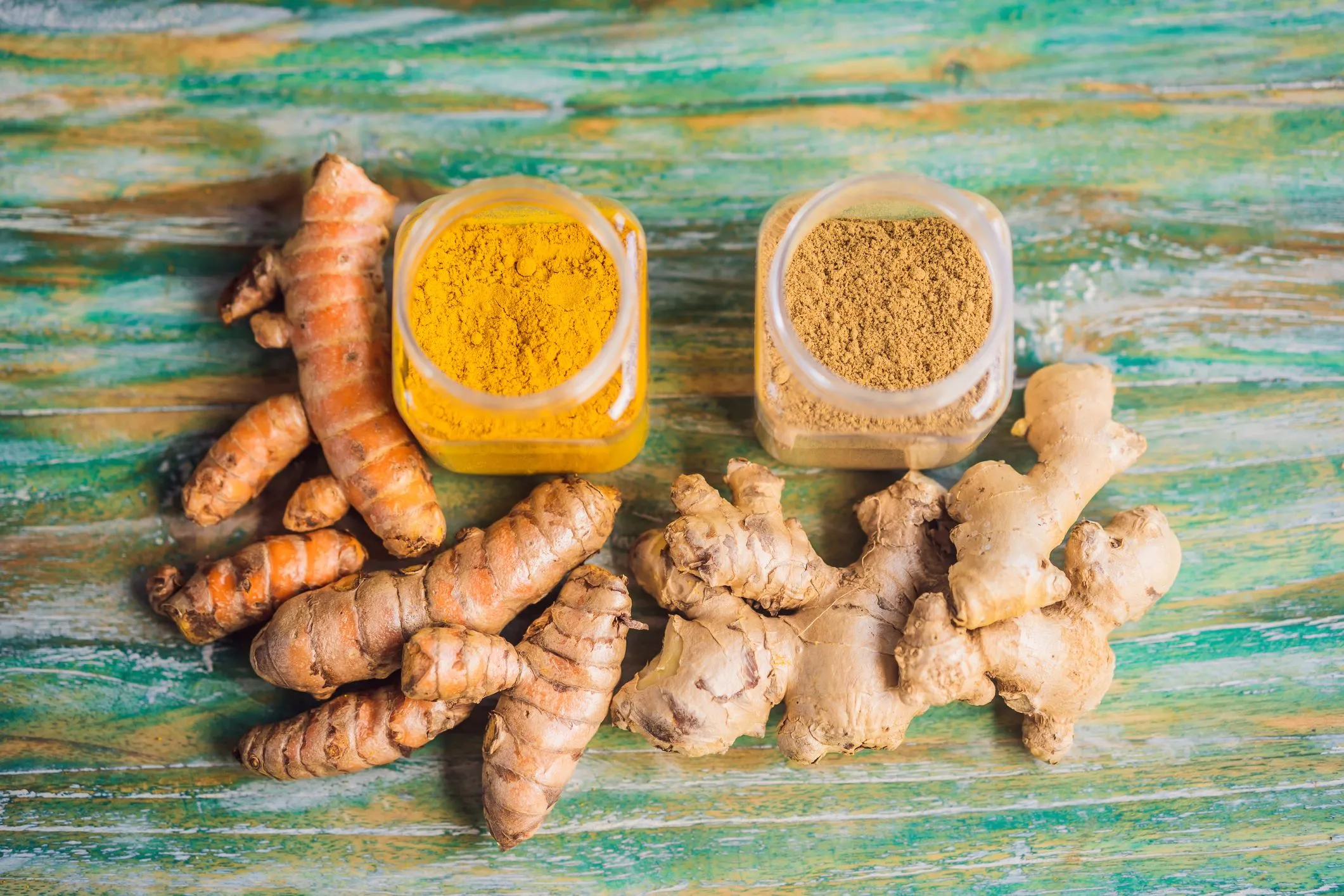
The global demand for pure, hygienically processed spices has reached unprecedented heights. Consequently, among major spice exports, ginger (Zingiber officinale) and turmeric (Curcuma longa) stand out prominently. Furthermore, they are essential across global cuisines. Moreover, they carry potent medicinal properties, active bioactive compounds, and massive commercial utility in the pharmaceutical, nutraceutical, and cosmetic industries.
Establishing a modern ginger processing plant or a high-efficiency turmeric powder plant requires a detailed, highly structured engineering approach. Indeed, every single processing stage directly dictates the final product quality. This includes initial raw material reception, thorough washing, careful peeling, and thermal pre-treatment. Similarly, it encompasses advanced continuous drying, mechanical polishing, ultra-fine grinding, and hermetic packaging. Together, these unified steps determine volatile oil retention, vibrant golden color, curcumin concentration, final moisture content, and overall microbial safety.
Industrial processors can no longer rely on archaic open-sun drying methods. Additionally, inconsistent manual grinding techniques are completely obsolete today. Instead, modern international markets demand strict compliance with demanding food safety standards like HACCP, ISO, and GMP.
Therefore, this detailed technical guide explores the complete ecosystem of turmeric processing machinery and advanced drying lines. Ultimately, it highlights critical process choices, operational parameters, and machinery specifications engineered by industry leaders like GENEX Tech Industries LLP. As a direct result, these processing systems maximize overall yield, preserve natural aromatic profiles, and deliver superior commercial value across competitive markets.
Chapter 1: Understanding Raw Material Characteristics & Quality Parameters
Before raw rhizomes enter a processing facility, understanding their intrinsic physical and chemical properties is absolutely essential. Specifically, this technical knowledge guides the precise selection of correct machinery. Both ginger and turmeric are high-moisture root crops harvested directly from subterranean soils. Consequently, they carry heavy initial microbial loads, deeply adhering dirt, and loose stone particles.
Raw Ginger Characteristics
-
Initial Moisture Content: Typically ranges between 80% to 88%. However, this varies depending on harvest maturity and localized soil conditions.
-
Active Bioactive Compounds: Rich in gingerols, shogaols, and volatile essential oils (0.15% to 3.3%). Thus, these natural constituent compounds yield the characteristic pungent aroma and therapeutic health benefits.
-
Key Processing Challenge: High moisture and delicate flesh require precise thermal management during thermal drying. Specifically, this prevents thermal scorching or the loss of volatile gingerols. Furthermore, these valuable compounds degrade above 60°C to 65°C if air velocity and temperature remain uncontrolled.
Raw Turmeric Characteristics
-
Initial Moisture Content: Generally ranges from 75% to 85%.
-
Active Bioactive Compounds: Characterized by key curcuminoids (curcumin, demethoxycurcumin, bisdemethoxycurcumin), essential volatile oils (turmerone, ar-turmerone), and internal starches.
-
Key Processing Challenge: Raw harvested turmeric is naturally dense and highly fibrous. Consequently, without proper pre-treatment (such as controlled curing or steam boiling), natural enzymes like polyphenol oxidase rapidly destroy the bright golden-yellow color. As a result, this unmonitored reaction produces a dull brown, commercially unmarketable powder.
Chapter 2: Step-by-Step Processing Workflow Overview
A modern spice processing line operates efficiently as a continuous or semi-continuous automated production ecosystem. Naturally, exact equipment configurations vary based on whether the intended final output consists of whole dried slices, polished dried fingers, or ultra-fine spice powder. However, the operational sequence always follows a strict, logical pathway:
-
First, Raw Reception & Dry Cleaning: Removing gross foreign matter, loose stones, coarse sand, and oversized debris.
-
Next, Intensive Washing & Peeling: Eliminating adhered soil, microbial loads, and outer skin layers using specialized abrasive rollers or high-pressure spray washing systems.
-
Then, Size Reduction & Pre-Treatment: Precision slicing or dicing for raw ginger. Meanwhile, for turmeric, applying hydrothermal curing or steam boiling followed directly by slicing.
-
Subsequently, Controlled Thermal Drying: Reducing moisture from an initial 85% down to a safe long-term storage level of 8% to 10%. Indeed, this step employs industrial belt dryers, tray dryers, or specialized hybrid drying systems engineered by top-tier equipment manufacturers.
-
Afterward, Post-Drying Polishing (Turmeric): Mechanical tumbling to effectively remove unwanted root hairs, surface roughness, and fine dust. Consequently, this step imparts a bright, attractive golden sheen.
-
In addition, Fine Grinding & Pulverization: Milling dried rhizomes into uniform powders using advanced pin mills or temperature-controlled hammer mills without inducing thermal degradation.
-
Furthermore, Precision Sieving & Magnetic Separation: Accurately classifying particle sizes through multi-deck vibratory sifters. Additionally, it extracts any microscopic ferrous wear particles.
-
Besides, Automated Blending & Homogenization: Ensuring reliable batch-to-batch consistency in final color, volatile aroma, and standardized curcumin or gingerol ratios.
-
Finally, Hygienic Packaging: High-speed vacuum sealing or nitrogen flushing in multi-layer barrier pouches to guarantee an extended shelf life.
Chapter 3: Raw Material Reception, Sorting, and Cleaning Systems
Initially, the journey of premium spice production begins at the raw material unloading dock. Incoming rhizomes are tipped into receiving hoppers equipped with heavy-duty conveyor belts. Subsequently, these continuous belts transport the raw roots directly to initial inspection and mechanical cleaning stations.
De-stoning and Air Aspiration
Before entering wet washing systems, incoming roots pass through dry destoners and air aspirators. For this reason, these specialized machines utilize vibrational decks combined with counter-current air streams. Furthermore, they separate heavy stones, gravel, pebbles, dry leaves, and light husks from the raw rhizomes. Ultimately, removing heavy stones early in the process protects downstream cutting blades and high-speed grinding hammers from catastrophic mechanical damage.
Industrial Washing Machinery
Once dry surface debris is completely eliminated, the rhizomes enter specialized industrial washers. Depending on overall plant capacity, commercial processors utilize:
-
Rotary Drum Washers: These feature internal spiral flights and high-pressure water spray bars. Specifically, they tumble the roots gently against one another. Thus, this action scrubs off stubborn clay and soil without bruising the delicate outer skin.
-
Bubble Washers / Air-Agitated Soak Tanks: These tanks utilize high-volume bubbling systems to loosen deeply ingrained dirt within tight root crevices. Meanwhile, jets of fresh potable water continuously flush suspended impurities toward a dedicated sediment trap and water recirculation filtration unit. Consequently, this sustainable system conserves up to 40% of total process water.
Chapter 4: Size Reduction & Pre-Treatment (Slicing, Dicing, and Peeling)
Undoubtedly, absolute uniformity in slice thickness is the single most critical factor determining overall drying efficiency. If raw ginger or sliced turmeric pieces vary wildly in thickness, significant operational problems arise. For instance, thin pieces will over-dry and scorch prematurely. Meanwhile, thick pieces retain excess internal moisture, inevitably leading to destructive mold growth during storage.
High-Capacity Industrial Slicers
Freshly washed rhizomes are continuously fed into centrifugal or rotary guillotine slicers. Notably, these machines are equipped with sharp, food-grade stainless steel blades (AISI 304 or AISI 316).
-
Ginger Slicing Parameters: Sliced typically to a uniform thickness of 3mm to 5mm for optimal heat transfer and rapid drying cycles.
-
Turmeric Slicing Parameters: Historically, traditional processors dried whole un-sliced fingers over long periods. In contrast, modern high-throughput plants slice cured turmeric fingers into 4mm to 6mm thick disks. Therefore, this modern approach drastically reduces drying time from several days down to just a few hours.
Peeling Mechanisms (Optional for Specialty Ginger)
Alternatively, for premium white ginger powder or specialty white dried flakes, mechanical abrasive peelers remove the dark outer skin layer. Specifically, carborundum-lined abrasive rollers rotate at precisely controlled speeds. Simultaneously, internal water sprays wash away loosened peel waste, thereby ensuring clean, unblemished white raw surfaces.
Chapter 5: Pre-Treatment Divergence: Blanching (Ginger) vs. Curing (Turmeric)
At this critical juncture, the processing line diverges significantly based on the specific raw material. Clearly, each root type requires tailored thermal pre-treatments to lock in essential quality attributes.
Ginger Blanching
Freshly harvested ginger contains active enzymes that cause unwanted enzymatic browning and gradual loss of pungency over time.
-
Operational Process: Sliced or whole ginger passes through a continuous steam blancher or hot-water immersion tank. In practice, this fluid bath is maintained at 85°C to 90°C for 3 to 5 minutes.
-
Primary Objective: Inactivate oxidative enzymes and fix the attractive natural creamy-yellow color. Furthermore, this process also gelatinizes surface starches slightly to prevent case-hardening during subsequent drying. Additionally, it drastically reduces initial microbial counts by over 99%.
Turmeric Curing (Boiling & Steaming)
Similarly, raw turmeric cannot be dried immediately without thorough thermal pre-treatment. Otherwise, it retains an unpleasant raw, starchy smell along with a dull, earthy brown appearance. Thus, hydrothermal curing is the most vital step in a turmeric processing machinery setup.
-
Traditional vs. Modern Hydrothermal Curing: On one hand, traditional open-pan boiling is extremely slow, inconsistent, and energy-inefficient. On the other hand, modern turmeric powder plants utilize pressurized steam-jacketed cookers or continuous rotary blanchers.
-
Operational Parameters: Cleaned turmeric fingers or slices are boiled in water or treated with pressurized steam at 100°C until sufficiently soft. Generally, this thermal step takes 30 to 45 minutes for whole fingers, or 10 to 15 minutes for pre-sliced turmeric.
-
Biochemical Transformation: Hydrothermal curing gelatinizes starch granules uniformly throughout the rhizome body. Moreover, it evenly disperses curcumin pigments across the entire cellular matrix. Consequently, when the dried turmeric is ground, the resulting powder exhibits a brilliant, vibrant golden-yellow hue and an intense natural aroma.
Chapter 6: Advanced Industrial Drying Technologies & Dryer Selection
Overall, thermal drying is the central linchpin of spice processing. The main objective is to reduce internal moisture from 80% down to a highly stable 8% to 10%. Furthermore, this moisture removal must occur without degrading volatile essential oils, discoloring natural pigments, or causing thermal stress cracking. As a leading ginger dryer manufacturer, GENEX Tech Industries LLP engineers robust drying systems tailored precisely to exact product requirements.
1. Continuous Multi-Tier Belt Dryers
-
Best Suited For: Large-scale commercial ginger processing plants and high-capacity turmeric powder plants processing upwards of 1 to 10 tons of raw material per day.
-
Working Mechanism: Product spreads evenly on perforated stainless steel conveyor belts moving steadily through multiple temperature-controlled drying zones. Meanwhile, hot air is forced through the moving product bed from alternating top and bottom air plenums, thereby ensuring fast, uniform moisture removal.
-
Operational Parameters: Temperatures are stepped down sequentially across stages. Specifically, they start at 70°C in the initial high-moisture zone. Then, they finish at 50°C to 55°C in the final conditioning zone to prevent severe case-hardening.
-
Key Advantages: Continuous automated loading and unloading, minimal labor required, exceptional thermal efficiency via integrated heat recovery systems, and precise residence time control. For detailed technical specifications, explore advanced continuous thermal solutions at www.gtidryers.com.
2. Industrial Tray Dryers (Cabinet Dryers)
-
Best Suited For: Medium-to-small scale processors, specialty organic batches, pilot facilities, or plants processing diverse root crops with frequent recipe changes.
-
Working Mechanism: Perforated trays loaded with sliced ginger or cured turmeric are stacked onto heavy-duty mobile trolleys. Subsequently, these trolleys roll directly into an insulated drying cabinet. Meanwhile, heavy-duty centrifugal fans recirculate heated air uniformly across every single tray via adjustable air baffles.
-
Operational Parameters: Operated consistently at 60°C to 65°C for 8 to 14 hours. Furthermore, operation continues smoothly until the precise moisture sensor confirms a terminal moisture level of 8%.
-
Key Advantages: Lower initial capital expenditure, highly versatile batch flexibility, and gentle drying curves ideal for delicate aromatic spice notes. Further insights on cabinet drying units are available on www.gtidryers.com.
3. Fluidized Bed Dryers (FBD) & Hybrid Systems
-
Best Suited For: Rapid drying of pre-conditioned turmeric granules, broken pieces, and free-flowing spice particles.
-
Working Mechanism: High-pressure heated air passes upward through a specialized perforated distribution plate. As a result, this fluid force suspends the product particles in a turbulent fluidized state where every individual particle is surrounded by drying air.
-
Key Advantages: Remarkably high heat and mass transfer rates result in drastically reduced total drying times. Indeed, drying often takes under 60 minutes for pre-treated slices.
Chapter 7: Post-Drying Mechanical Processing (Polishing & Cleaning)
Once dried thoroughly to a brittle state with 8% to 10% moisture, whole turmeric fingers or chunks possess a rough, scaly outer surface. Specifically, this outer surface is laden with residual root hairs, dried soil particles, and dull skin. Therefore, if ground directly without cleaning, this yields an inferior, dusty, and dull-colored spice powder.
Turmeric Polishing Drums
-
Working Mechanism: Dried turmeric fingers enter a rotating cylindrical drum lined with specialized abrasive mesh or ribbed internal baffles. As the drum rotates steadily, friction between the tumbling turmeric fingers polishes away loose outer skin layers and dry rootlets.
-
Dry vs. Wet Polishing: Generally, dry polishing is standard for export-grade whole fingers. Meanwhile, mechanical polishing drums integrated with dust extraction cyclones ensure a clean, dust-free working environment. Furthermore, the mechanical polishing process improves product bulk density by 10% to 15%. Consequently, it also gives the fingers an attractive, smooth, uniform golden-yellow finish.
Chapter 8: Fine Grinding & Pulverization Systems
Grinding dried ginger and turmeric into a fine, free-flowing powder requires specialized milling machinery. Indeed, these advanced systems handle high fiber content and natural oleoresins without generating excessive frictional heat. Otherwise, excessive heat melts natural oils. This undesirable effect clogs the fine mill screens and causes the powder to cake or lose its volatile aroma.
Pulverization Technology Options
-
Pin Mills (Turbo Mills): Operating with intermeshing rotating and stationary pin discs, pin mills reduce brittle spices to fine powders ranging from 60 mesh to 150 mesh without generating extreme heat. Therefore, they are ideal for high-capacity turmeric powder plants.
-
Hammer Mills with Air-Cooling Jackets: Equipped with swinging hardened steel hammers and interchangeable screen sizes, hammer mills effectively pulverize fibrous ginger roots. Additionally, integrated chilled air injection prevents internal chamber temperatures from exceeding 45°C, thereby preserving heat-sensitive curcuminoids and gingerols.
-
Cryogenic Grinding Systems (Liquid Nitrogen Chillers): These high-end systems serve ultra-premium gourmet markets requiring extreme mesh sizes (200 mesh+) and 100% volatile aroma retention. Specifically, liquid nitrogen is injected directly into the milling chamber to freeze the spice instantly. As a result, this cryogenic state makes it brittle enough to shatter into micro-fine particles without volatile oil loss.
Chapter 9: Sieving, Grading, and Magnetic Separation
Milled spice powder often contains minor agglomerates, coarse fibers, or stray metal particles introduced during harvesting and mechanical milling. Thus, ensuring strict food safety and quality control requires multi-stage particle classification.
Vibratory Sifters (Rotary Sifters)
The ground powder passes through multi-deck industrial vibratory sifters fitted with stainless steel woven wire mesh screens (typically 80 mesh to 100 mesh). Consequently, oversized particles and coarse fibrous strands are automatically scalped off and routed back for re-grinding. Meanwhile, uniform powder passes smoothly through to the main packaging line.
High-Intensity Magnetic Separators
Before final blending and packing, the free-flowing powder stream flows directly over rare-earth neodymium magnetic grills and plate magnets. In fact, these powerful magnetic traps capture microscopic ferrous wear particles (down to 100 microns) shed by upstream cutting blades and milling hammers. As a result, this protective step ensures 100% metal-free food safety compliance.
Chapter 10: Flavor Preservation & Blending Systems
Commercial spice buyers and industrial food manufacturers demand absolute batch-to-batch product consistency. Furthermore, they require completely uniform color strength (standardized curcumin percentage), volatile oil aroma, and characteristic pungency.
Ribbon Blenders and Paddle Blenders
-
Working Mechanism: Large-capacity horizontal U-trough blenders are equipped with inner and outer helical ribbons or paddle agitators. Thus, they thoroughly homogenize multiple milling batches within 15 to 20 minutes.
-
Quality Assurance: By systematically blending different lots, processors standardize the overall color index (e.g., standardizing turmeric curcumin content to 3% to 5%) and flavor profile before the finished spice moves to final consumer packaging.
Chapter 11: Hygienic Packaging Technologies
Ultimately, the final stage of the processing plant determines overall shelf-life stability. Spices are inherently hygroscopic. Consequently, if exposed to ambient humidity, they absorb environmental moisture, clump together, lose volatile aroma, and become highly susceptible to mold growth and insect infestation.
Modern Packaging Formats
-
Vacuum Packaging & Nitrogen Flushing (Modified Atmosphere Packaging – MAP): For bulk institutional buyers and long-term export storage, powders are packed in multi-layer barrier laminates (PET/Aluminium Foil/PE). Specifically, atmospheric oxygen is replaced with food-grade nitrogen gas, reducing residual oxygen levels below 1%. Therefore, this prevents oxidation of curcumin and degradation of essential oils for up to 24 months.
-
Form-Fill-Seal (FFS) Automatic Machines: For retail consumer packs (ranging from 50g to 1kg pouches), high-speed vertical form-fill-seal machines are used. Integrated with multi-head weighers and auger fillers, they ensure exact net weight dosing, hermetic heat-sealing, and high production throughput (40 to 70 packs per minute).
Chapter 12: Value-Added Outputs Beyond Standard Powders
Standard powders and whole dried fingers dominate bulk commodity markets. However, a modern processing plant can systematically diversify its revenue streams. Indeed, investing in high-margin value-added outputs yields distinct commercial advantages:
-
Sliced and Diced Dehydrated Ginger and Turmeric: Highly sought after by instant noodle manufacturers, herbal tea blenders, and ready-to-eat (RTE) food processors.
-
Oleoresin Extraction Grade Splints: Coarsely crushed and cleaned roots sold directly to solvent extraction plants for the commercial production of high-potency spice oleoresins and natural food colorants.
-
Instant Spice Premixes & Seasoning Blends: Formulating proprietary curry powders, marinades, and health beverage mixes (such as golden milk or turmeric latte powder) using integrated blending and pouching lines.
Chapter 13: Plant Layout, Utility Planning, and Hygiene Standards
Designing an efficient processing facility requires meticulous spatial engineering of factory layout and utility inputs. Ultimately, this logical arrangement minimizes energy consumption, streamlines workflow, and prevents cross-contamination.
Zonation and Workflow Hygiene
A well-designed plant is strictly segregated into distinct operational zones:
-
Unclean Zone: First, raw material reception, dry cleaning, destoning, and heavy washing.
-
Semi-Clean Zone: Next, mechanical slicing, hydrothermal boiling or curing, and loading into drying units.
-
Clean / Controlled Zone: Then, unloading dried materials, polishing, fine grinding, magnetic separation, and powder blending.
-
Hermetic Packaging Zone: Finally, a cleanroom environment equipped with positive air pressure and HEPA filtration to eliminate airborne dust and microbial re-contamination.
Utility Requirements
-
Electrical Power: High-capacity electrical supply (typically 415V, 3-Phase, 50 Hz) to power heavy-duty motors for grinders, belt dryer blowers, chillers, and packaging machines.
-
Thermal Energy: Boiler capacity (fired by biomass, natural gas, or agricultural waste like turmeric husks) to supply saturated steam for curing and thermal air heaters for belt and tray dryers.
-
Water Supply: Continuous supply of treated potable water for washing and hydro-thermal pre-treatment. Naturally, this is backed by an Effluent Treatment Plant (ETP) to treat washwater before safe environmental disposal.
Conclusion
In summary, investing in a state-of-the-art ginger processing plant or turmeric powder plant requires an integrated engineering approach. Ultimately, it balances rigorous mechanical engineering with precise biological understanding. Indeed, every single link in the processing chain dictates commercial viability. This spans gentle washing and precise hydrothermal curing to energy-efficient belt and tray drying technologies engineered by experts at www.gtidryers.com. Therefore, by choosing robust, food-grade machinery and adhering strictly to international hygiene standards, processors can unlock maximum yields. Consequently, they retain superior active compounds and successfully capture lucrative domestic and export markets.
Call to Action & Corporate Contact Information
Are you ready to establish, upgrade, or scale your spice processing operations with world-class engineering and turnkey machinery solutions? Partner with industry leaders to design a customized processing line tailored to your exact capacity and product specifications.
GENEX Tech Industries LLP
-
Head Office Address: 10C, Sir William Jones Sarani (Middleton Row), Park Street, Kolkata – 700071, West Bengal, India
-
Direct Phone / WhatsApp Contact: +91-97489 06968 | +91-93300 77417
-
Official Business Email: mktg@foodtechprojects.com | sales@foodtechprojects.com
-
Official Company Websites: www.foodtechprojects.com | www.gtidryers.com