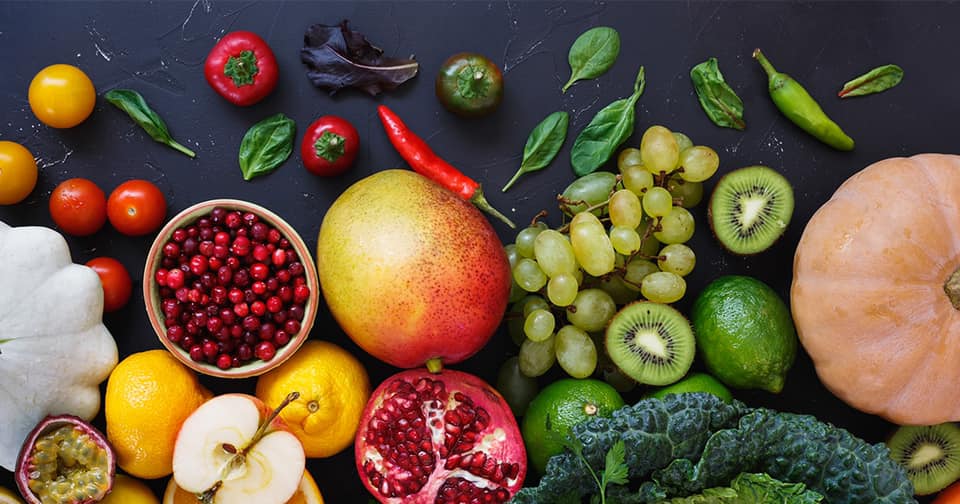
The global fresh-cut, frozen, and processed fruit and vegetable market is undergoing a rapid evolution. Modern food processors continuously seek innovative ways to increase operational capacity and boost yield. Furthermore, eliminating contamination hazards and meeting stringent food safety standards remain paramount priorities. Achieving these ambitious goals fundamentally requires an efficient, robust, and technologically advanced primary intake facility.
When raw produce arrives at a processing plant, it carries varying degrees of surface soil and field contaminants. In addition, pesticide residues, microbial contamination, and physical surface defects naturally affect the harvest. Raw fruits and vegetables inherently vary in size, shape, weight, color, and internal firmness. Transforming this heterogeneous agricultural output into uniform, high-value end products demands specialized equipment. Produce like mango pulp, citrus concentrate, diced tomatoes, french fries, or packaged onions requires strict, unyielding processing standards.
Selecting the right equipment represents a critical operational decision for procurement teams. Whether you are upgrading an individual fruit sorting machine, introducing a vegetable grading machine, integrating a continuous fruit washing machine, or configuring a full turn-key fruit processing machinery line, technical details matter immensely.
This comprehensive guide systematically explores the engineering principles, machine architectures, operational workflows, and drying technologies required to build high-capacity industrial preparation lines.
1. Primary Intake, Receiving, and Unloading Systems
Every processing line starts at the intake bay. Receiving systems must handle massive volume surges efficiently. Meanwhile, minimizing physical damage such as bruising, skin tearing, impact cracking, or compression stress remains essential.
Bulk Receiving and Dry Intake Hoppers
For dry-handled produce like onions and potatoes, operators rely on heavy-duty receiving hoppers. Engineers equip these hoppers with rubberized impact baffles and variable-speed belt conveyors. High-capacity receiving hoppers easily accept direct tipping from field trailers, agricultural crates, or 1000 kg bulk bags (FIBCs).
-
Throughput Dynamics: Intake hoppers handle throughput ranges from 5 metric tons per hour (t/h) up to 60 t/h.
-
Damage Mitigation: Rubber-draped drop ladders and soft-landing buffer plates reduce fall speeds to under 0.5 meters per second, thereby preventing surface bruising.
-
Variable Speed Feeding: Frequency-controlled drive motors (VFDs) regulate material flow to downstream machinery. Consequently, they prevent surge loading.
Hydraulic Receiving and Water Flumes
Delicate, high-moisture fruits such as tomatoes, mangoes, and citrus benefit greatly from hydraulic receiving. Workers unload produce directly into water-filled flume channels or wet receiving tanks equipped with gentle aeration jets.
Hydraulic Intake Flow:
-
Field Tipping / Bulk Crates: Intake bays receive raw produce directly from farms.
-
Hydraulic Unloading Tank / Flume: Water cushions impact forces while floating surface debris away.
-
Incline Dewatering Conveyor: Conveyors elevate and dewater produce before it enters the wash line.
-
Buoyancy & Cushioning: Water provides a soft landing medium that effectively prevents physical impact damage.
-
Initial Dirt Softening: Flume transit time allows clods of dirt, soil, and field contaminants to hydrate and loosen before active washing begins.
-
Pre-Sorting Mechanics: Hydraulic flumes integrate stone traps and floating debris separators. Heavy stones sink into low-velocity pockets, whereas buoyant debris like leaves and twigs float over overflow weirs.
Detailed Operational Transitions in Primary Intake
As a consequence of primary unloading, raw commodities must move smoothly into washing without bottlenecking. While dry intake hoppers provide buffer storage, hydraulic flumes simultaneously perform transportation and pre-treatment functions. Therefore, transitioning from unloading to preliminary washing requires precise mechanical control.
Furthermore, because field produce arrives in unpredictable spikes, automated level sensors continuously modulate conveyor speeds. Consequently, downstream processing units operate at peak efficiency without facing starvation or flooding. In addition to velocity matching, hydraulic receiving channels utilize gentle water currents. As a result, water protects delicate skins from mechanical abrasion during early handling.
Additionally, by integrating rock traps directly into the flume run, heavy stones drop out early in the process. Thus, plant managers protect subsequent pumps and machinery from severe mechanical damage. Subsequently, the clean product stream transitions steadily into active washing units.
As a matter of fact, smoothly managing intake momentum prevents downtime across the entire facility. Because raw crops carry unexpected debris, automated separators filter out heavy gravel instantly. Therefore, downstream belts run without experiencing unexpected jams. Likewise, precise speed controls adjust product depth instantly. As a result, subsequent processing stages receive a uniform stream of produce hour after hour.
2. Advanced Washing and Dirt Removal Machinery
Effective washing removes surface soil, chemical residues, field pathogens, insects, and fine grit. Washing operations must balance deep cleaning against physical surface preservation.
Hydro-Bubble and Aeration Washers
Hydro-bubble washers use submerged high-pressure air manifolds to agitate the water bath. This turbulent water motion gently scrubs produce surfaces without abrasive mechanical contact.
-
Product Suitability: Ideal for soft, thin-skinned produce including tomatoes, stone fruits, leafy greens, and berries.
-
Water Management: Systems continuously recirculate water through multi-stage mesh filtration screens, hydrocyclone sand separators, and secondary settling tanks. Fresh water consumption drops by up to 70% compared to open-loop wash systems.
-
Sanitizer Dosing: Integrated dosing systems inject food-grade sanitizing agents (such as chlorine dioxide or peracetic acid) to control cross-contamination.
High-Pressure Spray Washers and Drum Washers
For root vegetables such as potatoes and carrots, heavy soil loads require mechanical energy beyond bubble turbulence.
-
Rotary Drum Washers: Perforated stainless steel drums rotate produce underwater or beneath intense spray headers. Friction between individual fruits, coupled with water sprays, strips away encrusted mud efficiently.
-
High-Pressure Spray Bars: Fixed spray arches fitted with high-impact flat-fan nozzles deliver water at pressures between 3.0 bar and 8.0 bar. Thus, they strip stubborn soil from deep crevices.
Washer Selection Matrix
Mechanical Transitions in Washing Dynamics
Following the initial soaking stage, produce transitions directly into active friction or hydro-bubble scrubbers. In order to achieve maximum cleanliness, washing systems often combine multiple washing principles in series. For instance, fruit may first pass through a hydro-bubble tank to loosen heavy mud.
Whereupon it immediately transfers onto high-pressure spray bars for continuous surface rinsing. As a result of this dual-action cleaning, spray bars wash away even embedded soil particles in deep stem cavities. In contrast, root vegetables like potatoes transition directly from soaking tanks into heavy-duty rotary drum washers.
Subsequently, as the drum rotates, friction between adjacent potatoes removes tough mud without requiring aggressive chemical additives. Moreover, because filtration units continuously clean and recirculate water back into the primary wash stage, total facility water consumption drops dramatically.
Consequently, plant managers achieve superior sanitation along with optimized utility economics. In turn, the washed commodity proceeds cleanly to surface drying and inspection.
In addition to water conservation, continuous agitation prevents dirt particles from settling back onto produce. On account of this dynamic flow, clean water jets deliver a final sanitizing rinse just before discharge. Furthermore, sensor-driven dosing systems inject exact chemical amounts into the tank. Consequently, sanitation levels remain optimal throughout long operational runs. In short, advanced washing guarantees food safety while protecting product integrity.
3. Surface Brushing, Polishing, and Waxing Equipment
After washing, many produce types require active surface friction to polish the skin. Others require stripping residual hair or applying protective food-grade coatings.
Rotary Roller Brush Washers and Polishers
Brush beds consist of multiple parallel rotating roller brushes arranged in a concave bed or flat conveyor setup. Brush filaments vary in stiffness, density, and profile depending on the produce type.
-
Citrus & Mangoes: Soft nylon brushes strip natural grime and residue without damaging outer skin cells.
-
Potatoes & Carrots: Abrasive carborundum-coated rollers strip thin outer skin layers. Thus, they act as a combination washer-polisher-light peeler.
-
Throughput & Speed: Brush beds run at rotational speeds ranging from 150 RPM to 400 RPM, featuring fully adjustable residency times.
Waxing and Coating Systems
Citrus, apples, and select vegetable varieties frequently receive paraffin, carnauba, or shellac-based food-grade waxes. This protective layer extends shelf life, reduces moisture loss, and adds attractive surface shine.
-
Drip and Atomized Spray Applicators: Applicators atomize wax into fine mist spray beds or apply wax through drip manifolds directly onto rotating brush beds. Consequently, brushes spread a micro-thin layer across the entire surface.
-
Controlled Dosing: Automated pump units modulate wax flow based on line weight or optical sensor fruit counts, thereby preventing over-application.
Operational Transitions during Surface Treatment
Once produce exits the washer, equipment must remove excess free water before wax application. Therefore, technicians deploy dewatering air knives or absorbent horsehair rollers immediately prior to the waxing chamber. If surface moisture remains on the skin, wax emulsions fail to adhere uniformly.
Consequently, the protective barrier becomes compromised, leading to accelerated dehydration during storage. However, when equipment properly dries produce beforehand, atomized wax sprays distribute evenly across the surface. Furthermore, as fruit transitions across soft polishing brushes downstream, the applied coating buffing creates a brilliant, mirror-like shine.
In addition, this protective barrier seals micro-fissures in the outer skin. As a result, it closes off microbial entry points, which significantly extends product shelf life during overseas transport and store presentation. Meanwhile, the batch moves smoothly into sorting.
Furthermore, uniform wax application prevents moisture loss during prolonged cold storage. In view of this fact, precise coating controls save valuable product weight over time. Moreover, gentle brush beds polish fruit surfaces without bruising delicate tissue underneath. Therefore, processors maintain premium cosmetic quality while dramatically expanding export potential.
4. Optical Sorting vs. Manual Inspection Lines
After washing and polishing, produce moves straight to sorting lines. This critical stage segregates under-ripe, over-ripe, diseased, misshapen, or damaged items from prime processing stock.
Manual Roller Inspection Tables
Manual sorting tables rely on human operators supported by ergonomic material handling machinery.
-
Rotating Roller Conveyors: Conveyor rollers spin individually as they travel forward, continuously rotating the fruit through 360 degrees in front of operators.
-
Lighting Architecture: High-CRI LED lighting assemblies illuminate the inspection zone, thereby reducing operator visual fatigue.
-
Throughput Limits: Human operators typically inspect 1.0 t/h to 2.5 t/h per operator station. Sorting effectiveness drops significantly as fatigue sets in over long shifts.
Optical Sorting Machines
Modern high-speed sorting relies on automated optical sorters equipped with high-resolution line-scan RGB cameras, Near-Infrared (NIR) sensors, laser scanners, and hyperspectral imaging.
-
Detection Capabilities:
-
Color Defects: Unripe green patches, sunscald, blemish spots, and surface rot.
-
Structural Defects: Cracks, cuts, insect holes, stem puncture wounds, and surface deformities.
-
Foreign Material: Plastics, glass, metals, soil clods, stones, and field debris.
-
Internal Quality (NIR/Hyperspectral): Internal browning, sugar content (Brix), dry matter percentage, and hollow-heart defects in potatoes.
-
-
Rejection Mechanics: In-flight optical sorting inspects fruit while airborne at conveyor discharge points. High-speed pneumatic air jets fire localized pulses of compressed air (6 bar to 8 bar) with millisecond precision, knocking defective items out of the main stream.
-
Throughput Capacity: Modern optical sorters process up to 15 t/h per lane while running at linear speeds up to 4.0 meters per second.
Technological Transitions in Quality Inspection
When produce transitions from physical preparation to sorting, flow singularization becomes paramount. While manual inspection tables rely on human eyes to spot surface flaws, high-throughput lines demand automated optical sorters. However, before fruit enters an optical sorter, specialized singulation belts align items into precise single-file streams.
As a result, high-speed camera arrays capture 360-degree images of every individual fruit without overlap interference. Furthermore, as software algorithms analyze surface color, geometric shape, and spectral absorption in real time, the system targets defective items instantly.
Subsequently, high-speed air nozzles fire millisecond blasts of compressed air, diverting rejects into secondary chutes. Consequently, good fruit continues seamlessly along the main line at maximum speed. In contrast to manual labor, optical sorting runs continuously without performance degradation.
Therefore, optical systems deliver high grading accuracy across 24-hour production shifts. Furthermore, sorted streams advance directly to size classification.
Indeed, optical sorting transforms operational consistency across large processing facilities. Because digital sensors analyze internal Brix and density instantly, processors filter out defective produce before slicing occurs. Likewise, high-speed air valves reject foreign objects cleanly without disturbing adjacent good fruit. As a result, final product streams meet strict quality thresholds effortlessly.
5. Size, Shape, and Weight Grading Machinery
Grading segregates produce into precise size, shape, and weight classes. Uniform sizing ensures consistent performance in downstream peeling, slicing, blanching, or thermal processing systems.
Mechanical Sizing Systems
-
Diverging Belt and Roller Graders: Produce moves along two diverging belts or expanding roller sets. As the gap between belts increases, smaller fruit drops through first, with larger fruit traveling further down the line. Best for round or oval fruits like citrus, tomatoes, and stone fruits.
-
Perforated Mesh and Screen Drums: Rotary screens or oscillating multi-deck screen sorters use precise circular or square mesh openings to drop smaller sizes onto cross-conveyors below. Best for hardy root vegetables, onions, and potatoes.
Electronic Cup and Weight Sorters
For high-value or delicate crops like large mangoes and premium citrus, electronic cup sorters use integrated strain-gauge load cells or dynamic weigh-bridges.
-
Operation: Mechanisms singularize fruit into individual pocket cups. As the cup passes over load cell weigh stations, the system registers the exact weight within ±1 gram accuracy.
-
Tipping Mechanism: Solenoids tip individual cups at designated discharge chutes corresponding to preset weight brackets.
Systemic Transitions in Produce Grading
Following quality defect sorting, acceptable produce moves into size and weight classification. Although mechanical screen sorters perform adequately for hardy root crops, delicate fruit requires gentle electronic cup sorters. Therefore, as fruit transitions onto weigh-cup conveyors, delicate transfer ramps eliminate free-fall impacts.
As a consequence, equipment prevents bruising while maintaining high weighing accuracy. Furthermore, by sorting fruit into tight weight bands, operators can pre-configure downstream automated machinery—such as peelers and slicers—to exact product dimensions.
Consequently, mechanical skin removal achieves maximum yield while cutting skin waste. In addition, uniform sizing ensures heat penetrates evenly during downstream blanching or cooking. Thus, product quality remains consistent across the entire batch.
Likewise, sizing uniformity reduces jam occurrences in high-speed downstream cutters. Ultimately, sized fruit proceeds directly to peeling or primary processing.
In like manner, sorting items by weight ensures precise filling in consumer packaging lines. On account of smart cup designs, delicate stone fruits drop softly into sorting bins without bruising. Furthermore, programmable sorting software allows operators to change sizing criteria in seconds. Consequently, facilities adapt quickly to varying harvest characteristics without costly mechanical retooling.
6. Industrial Peeling Systems
For fruits and vegetables destined for pulping, dicing, freezing, canning, or dehydration, peeling is a key step. The selected peeling technology impacts product recovery yield, operating utility consumption, and skin removal quality.
Mechanical Abrasive Peeling
Abrasive peelers use rotating cylinders or multi-roller beds coated with carborundum abrasive grit. As produce tumbles, friction strips the outer skin layer away under continuous water sprays.
-
Primary Applications: Hard root vegetables like potatoes, beets, and carrots.
-
Peel Loss: Ranges between 10% and 25% depending on residency time and batch size.
Steam Peeling
High-pressure steam peelers place produce in a pressurized pressure vessel. Superheated steam (15 bar to 20 bar) enters for short intervals (10 seconds to 60 seconds). Heat rapidly boils moisture just underneath the skin surface without cooking the core tissue.
-
Explosive Decompression: Pressure drops instantaneously, causing the skin to flash off. A subsequent washer or brush drum removes remaining loosened peel.
-
Primary Applications: Industrial potato processing lines, processing-grade tomatoes, and carrots.
-
Peel Loss: Highly efficient, typically restricting loss to between 4% and 8%.
Lye (Chemical) and Knife Peeling
-
Lye Peeling: Produce passes through a hot sodium hydroxide bath (typically 8% to 12% solution at 80°C to 95°C) to break down epidermal cell walls. Post-lye washing rinses away residual chemical solution and loosened skin.
-
Mechanical Knife Peeling: High-speed contoured mechanical blades slice skins from individual fruit. Common in industrial mango, pineapple, and citrus processing where smooth surface finish and complete skin isolation are required.
Process Transitions in Peeling Operations
After machinery sorts produce by size, the batch moves directly into peeling machinery. Because different crops possess distinct skin structures, selecting the correct peeling mechanism is crucial. For example, potatoes transition into steam peelers where superheated steam rapidly cooks the sub-epidermal layer.
Subsequently, when valve mechanisms suddenly release pressure, the skin flashes off cleanly. Consequently, flesh loss stays under 8%, preserving raw material yield. On the other hand, mangoes transition onto mechanical knife peelers that carefully slice away tough outer skin following the exact contour of the fruit.
As a result, delicate inner flesh remains smooth and intact for slicing or pulping. Furthermore, integrated water jets wash away loosened skins immediately.
Hence, peel fragments cannot contaminate downstream cutters or pulpers. Subsequently, peeled product transfers onto clean-bed conveyors.
At the same time, controlling steam cycle times prevents sub-surface ring cooking in root crops. Because precise sensors track vessel temperature, thermal energy penetrates only micro-millimeters deep. Likewise, mechanical knife peelers adjust blade pressure dynamically during operation. As a result, yield efficiency stays extremely high across variable batches.
7. Conveying and In-Plant Material Handling Systems
Interconnecting processing stages requires sanitary conveying equipment. Materials must withstand continuous moisture, organic acid exposure, caustic washdowns, and high mechanical loads.
Modular Plastic Belt Conveyors
Constructed from high-density polyethylene (HDPE), polypropylene (PP), or acetal (POM), modular plastic belts feature open-grid patterns that allow water drainage and easy cleaning.
-
Hygienic Design: Chemical resistance, quick removal mechanisms, and open pin hinges simplify sanitation.
-
Incline Flighted Belts: Intralox-style cleated belts lift produce between elevation levels without slipping or rolling backwards.
Stainless Steel Screw Conveyors (Augers)
Auger conveyors transport bulk wet produce, slurry, or waste byproduct (peels, seeds, cores) inside trough enclosures.
-
Design Considerations: Built using 304 or 316-grade stainless steel with continuous sanitary welds, flighting pitch adjustments, and CIP spray bars for internal cleaning.
Vibratory Conveyors and Shakers
Electromechanical or electromagnetic vibratory shakers slide produce smoothly along stainless steel trays.
-
Benefits: Zero belt wear, no moving pin joints to harbor bacteria, and excellent liquid dewatering capabilities through perforated trough beds.
Material Transfer Transitions
Between processing steps, raw produce must transfer seamlessly across elevator conveyors, chutes, and slides without piling up. Therefore, choosing the right conveyor type at each junction is critical for sanitary plant operations.
While modular plastic belt conveyors excel at transporting whole fruit up inclines, vibratory shakers excel at distributing sliced or diced produce evenly onto dryer belts. As a result of vibration, product distribution spreads uniformly across the entire bed width.
Consequently, workers eliminate wet spots during drying. Furthermore, screw augers transfer wet peel waste directly into waste holding bins outside the primary processing room.
As a result, operators isolate potential bacterial harborage zones from clean product zones. Therefore, facilities maintain strict adherence to global food safety standards throughout.
By the same token, smooth belt transitions prevent product drop damage at transfer points. Because smooth chutes guide falling produce gently, physical bruising drops to near zero. Furthermore, open-frame conveyor designs permit fast washdowns between shift changes. Consequently, sanitation crews reduce cleaning downtime significantly while maintaining impeccable safety standards.
8. Comprehensive Industrial Drying Systems in Processing Plants
Following washing, blanching, peeling, or slicing operations, equipment must remove surface or cellular moisture. Drying stabilizes produce for shelf storage, packaging, or downstream freezing.
The choice of drying equipment depends on produce characteristics, thermal sensitivity, required throughput, energy budgets, and desired end-product physical qualities.
Industrial Dryer Architecture Comparison
1. Multi-Pass Continuous Conveyor Belt Dryers
Multi-pass conveyor belt dryers represent the workhorses of continuous industrial dehydrating plants. Products move through multiple stacked conveyor decks within an insulated drying tunnel.
Multi-Pass Flow:
-
Upper Belt Deck (Zone 1): High temperature rapid moisture extraction.
-
Middle Belt Deck (Zone 2): Medium temperature constant drying rate. Tumbling between decks breaks up clumps.
-
Lower Belt Deck (Zone 3): Low temperature finishing and cooling phase prior to product discharge.
Mechanical Structure & Air Circulation Architecture
Multi-pass belt dryers house between 3 and 7 stacked stainless steel wire mesh or modular perforated plastic belts. As product reaches the end of the top deck, it drops onto the reverse-running deck below. This tumbling action breaks up clumping and exposes unexposed moisture paths.
Centrifugal fans force heated air vertically up or down through the product bed depth (ranging from 50 mm to 150 mm). The system uses zoned thermal management:
-
1 (Intake Phase): High thermal input (85°C to 110°C) with elevated airflow velocities removes surface moisture quickly without scorching the product.
-
2 (Constant Rate Phase): Moderate thermal input (65°C to 80°C) lowers core moisture levels as internal water migrates toward the surface.
-
3 (Falling Rate / Finishing Phase): Low thermal input (45°C to 60°C) with conditioned dry air slowly lowers final moisture down to target limits (typically 3% to 6%) without heat-damaging sensitive sugars.
Best Product Fits
-
Dehydrated Onion Flakes & Powder: Multi-pass belt drying maintains natural color while driving off moisture without scorching natural sugars.
-
Potato Strips & Dices: Pre-dries french fry strips post-blanching, removing up to 15% surface moisture prior to frying to cut oil absorption.
-
Diced Carrots, Bell Peppers, & Celery: Handles steady industrial production rates up to 5 t/h efficiently.
2. Batch Cabinet and Tray Dryers
Cabinet and tray dryers offer flexible batch drying for small-to-medium processing facilities, test plants, and high-value specialty products.
Engineering Specs & Operation
The dryer consists of an insulated cabinet lined with 304 stainless steel, housing movable tray racks. Engineers build trays with wire mesh bottoms, high-density perforation patterns, or solid non-stick silicone linings for liquid pulps.
Axial fans continuously circulate heated air across tray surfaces, passing through modulating dampers that vent moisture-laden exhaust air while pulling in fresh, ambient dry air.
-
Temperature Range: Operates from 40°C to 90°C, controllable within ±1.0°C tolerances via digital PID controllers.
-
Thermal Distribution: Reversing airflow baffles flip circulation direction every 15 to 30 minutes, preventing hot spots and ensuring uniform tray drying across all rack heights.
Best Product Fits
-
Mango Slices & Fruit Leathers: Preserves natural orange-yellow carotenoids, chewy texture, and sweet flavor profiles without surface case-hardening.
-
Citrus Peels & Specialty Herbs: Allows precise, low-temperature moisture removal for heat-sensitive herbs, preserve peels, and essential-oil-rich tissues.
3. Industrial Rotary Drum Dryers
Rotary drum dryers provide rapid, high-capacity evaporation for heavy slurries, pulps, purées, and wet solid residues.
Mechanical & Thermal Mechanics
The dryer features a rotating heavy-wall steel cylinder set at a slight downward angle (1.5° to 3.0° incline). Internal flighting lifters lift material and cascade it downward through a high-velocity stream of hot gas or steam-heated air.
In double-drum film dryers, operators spread a thin liquid or slurry layer across the outer surfaces of steam-heated counter-rotating drums (operating at 120°C to 150°C). Moisture flashes off in seconds, leaving a thin dried film that continuous scraper doctor blades peel off cleanly.
-
Evaporative Capacity: Evaporates up to 150 kg to 800 kg of water per hour per square meter of drum surface area.
-
Residency Time: Ranges from a few seconds for thin-film double drums to 15–45 minutes for direct rotary flighted dryers.
Best Product Fits
-
Potato Flakes & Dehydrated Starch Aggregates: Converts cooked mash into uniform, rehydratable flakes for bakery, snack food, and reconstituted mash applications.
-
Fruit & Vegetable Pomace (Tomato, Citrus, Apple Residues): Rapidly dries fibrous waste, converting spent peels, cores, and seed cake into stable animal feed, pectin extraction feedstock, or dietary fiber powders.
4. Fluidized Bed Dryers
Fluidized bed drying provides rapid, uniform heat and mass transfer by suspending solid produce particles in an upward-moving column of heated air.
Fluidization Dynamics:
-
Heated high-pressure air passes through a perforated distribution plate.
-
Air lifts and suspends produce particles in mid-air, making them behave like a boiling fluid.
-
Top collector filters discharge exhaust air and moisture safely.
-
Operating Temperatures: Controlled precisely between 50°C and 95°C.
-
Energy Efficiency: Direct heat exchange achieves up to 80% thermal efficiency, thereby minimizing process fuel consumption.
Best Product Fits
-
Green Peas & Sweet Corn Kernels: Suspended air drying prevents shrinkage distortion, producing rounded, free-flowing, quickly rehydrating dehydrated vegetables.
-
Diced Vegetable Cubes (Carrots, Potatoes, Parsnips): Uniform size pieces fluidize evenly without clumping, delivering rapid drying times under 30 minutes.
5. Industrial Vacuum and Freeze Dryers (Lyophilizers)
Vacuum and freeze drying represent the peak of food preservation engineering. Designers create them specifically for premium products where preserving physical shape, color, rehydration ratio, and heat-sensitive nutrients is critical.
Sublimation & Low-Pressure Physics
Freeze drying operates on the principle of sublimation, where solid ice transitions directly into water vapor without passing through a liquid phase.
Process Stages:
-
1 (Deep Freezing): Equipment freezes produce rapidly down to -40°C.
-
2 (Vacuum Chamber): Vacuum pumps reduce chamber pressure below 0.5 mbar.
-
3 (Controlled Shelf Heating): Systems apply controlled heat to initiate sublimation.
-
4 (Ice Sublimation): Deep vacuum drives off bound water, yielding under 2% final moisture content.
Industrial vacuum shelf dryers operate above freezing points under reduced atmospheric pressure (10 mbar to 100 mbar). Lowering the boiling point of water allows drying at temperatures as low as 35°C to 50°C, thereby preventing thermal degradation entirely.
Best Product Fits
-
Freeze-Dried Strawberries, Raspberries, & Mango Chunks: Retains original fruit shape, bright color, cellular structure, crisp texture, and heat-sensitive Vitamin C levels.
-
High-Value Culinary Herbs & Garlic: Prevents the loss of volatile essential oils, retaining natural aroma and pungency intact.
Thermal Transitions across Drying Modalities
As wet produce moves into dehydration systems, moisture migration shifts from surface evaporation to internal diffusion. Therefore, drying parameters must transition smoothly across successive drying zones. In multi-pass belt dryers, initial high temperatures vaporize surface water rapidly without raising core product temperatures.
However, as surface moisture vanishes, controls lower the thermal input in subsequent zones. Consequently, equipment avoids case hardening, enabling internal water to migrate freely to the surface. Similarly, when processing delicate berries or herbs, freeze drying skips the liquid phase entirely by utilizing ice sublimation under deep vacuum.
As a result, cellular structures remain fully intact without undergoing thermal collapse or shrinkage. Furthermore, as dried products emerge from vacuum chambers or belt cooling sections, they immediately pass into climate-controlled packaging rooms.
Thus, the product completely avoids re-absorbing ambient atmospheric humidity prior to final bag sealing. Consequently, processors permanently preserve shelf stability and crispness.
In similar fashion, precise zone cooling prevents condensation inside bulk storage containers. Because automated sensors monitor outlet product temperature, cooling fans adjust airflow instantly. Furthermore, relative humidity controls safeguard dried pieces during transfer. As a result, crispy dried goods retain their ideal crunch indefinitely.
9. Comprehensive Produce Case Studies
Case Study A: Industrial Processing Line for Mangoes
Mango processing demands handling varying firmness levels, sticky sap, thick skin, and a large central pit.
-
Receiving & Sap Washing: Unloading systems drop fruit into a hydro-bubble tank containing a 0.5% neutral detergent solution to remove acidic tree sap that causes skin burn.
-
Brushing & Sanitize: Produce passes across soft nylon rotary brush rollers while receiving a 100 PPM peracetic acid spray rinse.
-
Optical Sorting & Grading: High-resolution cameras check skin color, surface blemishes, and firmness (via NIR spectroscopy) to segregate fruit by maturity level.
-
Peeling & Pitting: Automated contour knife peelers strip outer skin with minimal flesh loss, followed by mechanical pitting heads that isolate the inner stone cleanly.
-
Downstream Dehydration: Mango slices move to batch cabinet tray dryers running at 60°C for 12 hours, or multi-pass belt dryers to reach a final moisture target of 12% to 14% for chewy dried snacks.
Sequential Dynamics in Mango Lines
Accordingly, as mangoes pass from washing to optical sorting, firmness sorting isolates soft fruit for pulp processing. Simultaneously, the system directs firmer fruit toward knife peelers for clean slicing.
Furthermore, as slices move onto tray dryers, precise humidity controls prevent sticky surface formation. Consequently, color, flavor, and texture remain fully optimized throughout the entire production run.
Clearly, separating mangoes by ripeness dramatically improves peeling efficiency. Because soft mangoes pulp easily, processing them separately prevents line clogging. Furthermore, knife peelers adapt dynamically to varied fruit contours. Consequently, plants achieve maximum pulp recovery with minimum waste.
Case Study B: High-Capacity Citrus Processing Line (Oranges & Lemons)
Citrus processing lines require high throughputs (up to 40 t/h), grease/oil removal from peels, precise sizing for juice extraction cups, and wax protection for fresh markets.
-
Hydraulic Flume Intake & Sand Trap: Bulk dumpers tip field trucks into wide flume channels where heavy sand and rocks sink cleanly out of the stream.
-
High-Pressure Spray Washing: Heavy-duty spray arches deliver water at 5 bar across rotating transverse brush beds to scrub off scale insects and field residue.
-
Acoustic & Optical Defect Separation: High-speed optical sorting machines filter out split fruit, blue-green mold infections, and soft decay spots.
-
Diverging Roller Sizing: Mechanisms classify oranges into precise diameter classes (e.g., 60 mm, 70 mm, 85 mm) to align with downstream extractor cup sizes, maximizing juice yield without squeezing bitter peel oil into the juice stream.
-
Waxing & Tunnel Air Drying: Fresh market citrus receives an atomized carnauba wax coating, passing through a short hot air tunnel drying unit (50°C) to set the glossy protective film.
Operational Sequence in Citrus Plants
Therefore, transitioning from high-pressure washing directly to optical defect removal ensures that sensors identify mold spores early. Afterwards, as rollers classify oranges into tight diameter classes, downstream extractors run smoothly without jamming.
Consequently, juice yields increase while extractors tightly control essential oil release. In turn, fresh-market fruit proceeds smoothly to waxing and fast-tunnel drying.
As a matter of fact, matching fruit diameter to extractor cup size increases extraction yield substantially. Because correctly sized citrus fits extraction tools perfectly, skin oil does not contaminate the sweet juice stream. Likewise, rapid tunnel drying sets the wax coating instantly. As a result, packed citrus maintains a brilliant shine throughout long transport cycles.
Case Study C: High-Volume Tomato Processing Line (Diced & Paste Grade)
Tomato processing lines require delicate, high-volume handling to prevent premature skin bursting, followed by dirt removal and skin peeling.
-
Wet Flume Receiving & Aeration Scrubbing: Floating flumes absorb initial dumping impact. Hydro-bubble agitation tanks lift away soil and field dust without damaging fragile skin.
-
In-Flight Optical Color Sorting: High-speed optical sorting units scan up to 30 t/h, using pneumatic air rejectors to blow out green tomatoes, sun-bleached fruits, dirt clods, and vine stems.
-
Steam Peeling System: Tomatoes enter a rotational steam peeling chamber at 16 bar pressure for 18 seconds. Instantaneous pressure relief causes skins to burst free effortlessly.
-
Rubberized Pinch-Roller Skin Elimination: Counter-rotating smooth rubber pinch rollers pull away loose skins, discharging whole peeled tomatoes onto inspection belts.
-
Slicing & Dehydration: Peeled tomatoes undergo dicing and transfer to a continuous multi-pass belt dryer, lowering moisture down to 8% to 10% for sun-dried tomato applications.
Processing Transitions in Tomato Preparation
Whereupon green tomatoes fall to in-flight optical air jets, only uniformly red tomatoes enter the steam peeler. Subsequently, explosive steam decompression loosens skins instantly without cooking core tissues.
As a result, peeled tomatoes maintain firm structural integrity. Thus, diced outputs move cleanly into continuous dehydrators without excess liquid pooling.
In addition, removing green tomatoes early enhances final paste color significantly. Because automated air jets remove debris at high speeds, downstream steam chambers operate without interruption. Furthermore, smooth pinch rollers strip skins without crushing inner flesh. Consequently, diced tomato cubes retain their firm texture during drying.
Case Study D: Heavy-Duty Potato & Root Vegetable Line
Potato preparation lines handle heavy soil loads, stones, skin peeling, and surface moisture removal before french fry cutting or potato chip frying.
-
Dry Dirt Extraction & Rock Removal: A vibrating finger bar screen removes loose field dirt before potatoes hit water. A vertical-current hydro stone trap sinks heavy rocks while floating potatoes forward cleanly.
-
Continuous Rotary Drum Scrubbing: A perforated drum washer tumbles potatoes underwater to remove heavy, dried clay.
-
Steam Peeling & Brush Scrubber: A high-pressure steam peeler loosens potato skins, which downstream rotating carborundum brush rollers scrub off cleanly.
-
Hyperspectral Sorters: Advanced camera systems scan internal potato structures to identify hollow-heart defects, green solanine patches, and internal blackspots.
-
Fluidized Bed Pre-Drying: Cut potato strips pass through a continuous fluidized bed or belt dryer, driving off surface moisture before entering oil fryers to optimize texture and reduce oil pick-up.
Sequential Workflow in Potato Lines
Consequently, removing stones early protects high-speed slicers downstream from severe mechanical damage. Furthermore, as potatoes pass from steam peelers into brush scrubbers, equipment strictly limits skin loss.
Afterwards, hyperspectral sorters identify hidden internal hollow-heart defects. As a result, only pristine potato strips enter fluidized pre-dryers, optimizing starch gelation before frying.
Equally important, surface moisture removal before frying drastically cuts oil absorption. Because fluidized air drives off free water rapidly, potato strips form a crispy outer crust in the fryer. Furthermore, continuous rock removal prevents catastrophic blade damage in high-speed cutters. As a result, processing lines maintain high uptime and product uniformity.
Case Study E: Onion Processing Line (Fresh Packing & Dehydration)
Onions present unique processing challenges: delicate dry outer paper skins, volatile odor compounds, and high susceptibility to internal rot.
-
Dry Topping, Tailing, and De-Dusting: Mechanical topping and tailing machines snip root ends and top green stems, while high-velocity dry air knives strip loose, papery outer skins without using water.
-
Flat Brush Polishing: Onions pass across soft horsehair rotary brush beds to loosen dirt without cracking protective outer skin layers.
-
NIR Optical Sorting: Near-Infrared sensors scan through outer scales to identify internal neck rot, sour skin, and internal browning without cutting the onion open.
-
Mechanical Mesh Screen Size Grading: Multi-deck oscillating screen sorters separate onions into tight diameter brackets (e.g., 40–60 mm, 60–80 mm, 80+ mm) for consumer packing or slicing.
-
High-Capacity Multi-Pass Belt Drying: Sliced onions move onto a multi-pass conveyor belt dryer running through progressive temperature zones (85°C down to 50°C) over a 4 to 6 hour residency time, producing low-moisture onion flakes and powder stock.
Workflow Execution in Onion Processing
Accordingly, dry air knives strip loose papery skins without wet washing. Therefore, processors completely avoid water-induced microbial rot.
Subsequently, Near-Infrared sensors detect hidden internal browning. As a result, sound onions move smoothly to continuous belt dryers, yielding light-colored, highly aromatic onion flakes.
In the same way, dry cleaning onions reduces wastewater treatment burdens significantly. Because dry air knives peel outer scales without water, facilities eliminate foul-smelling liquid waste streams. Furthermore, NIR sorting filters out rotting onions before slicing occurs. Consequently, final dehydrated flakes retain a clean, appetizing appearance and robust flavor.
10. Procurement Engineering: Integration, ROI, and Line Layout
Procuring equipment requires balancing initial capital expenditure (CAPEX) against ongoing operating costs (OPEX). Modern food processing lines must prioritize flexibility, hygiene, energy conservation, and gentle product handling.
Standalone Machines vs. Integrated Turnkey Lines
Purchasing standalone equipment may offer lower initial investment, but it creates integration challenges around conveyor speed matching, utility distribution, and unified line control.
-
Integrated Turnkey Advantage: Fully integrated lines utilize a central PLC (Programmable Logic Controller) panel with SCADA human-machine interfaces. Automated sensors adjust line speeds dynamically. If a downstream peeler slows down, upstream sorting and washing systems automatically adjust product feed rates to prevent backups.
Throughput Balancing & Operational Efficiency
In balanced line designs, engineers match every machine capacity rating to downstream equipment with built-in safety margins. Engineering teams must design around peak capacity demands rather than average throughputs, building in 15% to 20% operational headroom at critical bottleneck zones (such as peeling and drying).
Sanitary Stainless Steel Engineering Standards
Technicians must design equipment for thorough, efficient cleaning.
-
Material Specification: All product contact surfaces must use 304 or 316-grade stainless steel with polished finish welds (Ra < 0.8 µm) to prevent bacterial harborage.
-
IP Rating: Control panels, drive motors, and optical sensors require IP66 or IP69K waterproof ratings to withstand high-pressure, hot chemical washdowns.
-
CIP Integration: Automated Clean-In-Place spray manifolds built into dryer chambers, flumes, and washers cut downtime between production runs.
Financial ROI Cost Savings Matrix
Financial and Operational Transitions in Procurement
When plant managers transition from manual legacy systems to automated processing lines, financial return profiles improve dramatically. Although initial capital expenditure increases, operating expenses drop rapidly due to reduced manual labor and higher raw product yield. Furthermore, as automated sorting eliminates human grading errors, product consistency increases across all packaged lots.
Consequently, processors secure higher contract prices from institutional buyers and retail chains. In addition, integrated line automation enables real-time data tracking across all equipment modules. As a result, plant directors monitor utility consumption, machine downtime, and throughput metrics via centralized cloud dashboards.
Ultimately, this seamless technological integration optimizes production workflows, shortens payback periods, and provides long-term competitive advantages in global agricultural export markets. Thus, plant efficiency reaches maximum stability across high-volume seasonal harvests.
In fact, modern turnkey automation dramatically reduces reliance on seasonal labor markets. Because automated sensors manage sorting and grading around the clock, facilities maintain uninterrupted production schedules. Likewise, optimized water filtration loops reduce utility overhead month after month. As a result, processing facilities achieve rapid capital payback while significantly improving product throughput and plant profitability.
Downstream Processing Plant Integration
Pre-processing equipment establishes the baseline quality for all subsequent processing operations. Explore dedicated equipment configurations and downstream processing technologies:
-
Fruit Processing Plants – Turnkey solutions for pulping, concentration, aseptic packaging, and juice extraction lines.
-
Dehydration and Industrial Dryers – Continuous belt drying, batch drying, spray drying, and fluidized bed systems for industrial fruit and vegetable processors.
Conclusion
Building a profitable, hygienic, high-capacity fruit and vegetable processing operation depends directly on the performance of its pre-processing and drying infrastructure. From initial receiving and hydraulic fluming to advanced multi-spectrum optical sorting, size grading, precision peeling, and custom thermal drying, every processing step plays a critical role in preserving product quality and yield.
Investing in robust engineering, food-grade stainless steel construction, water-conserving recirculation loops, and intelligent automation delivers a strong return on investment through reduced labor costs, lower utility consumption, higher recovery yields, and dependable product uniformity.
Take the Next Step in Optimizing Your Processing Line
Are you planning to install a complete turnkey fruit and vegetable pre-processing line, or upgrade an existing sorting, washing, or drying stage?
The engineering team at GENEX Tech Industries LLP provides complete design, manufacturing, installation, and commissioning services tailored to your exact operational requirements.
Contact our technical sales team today for custom machine configurations, throughput layout design, or equipment quotes:
GENEX Tech Industries LLP
-
Head Office Address:
10C, Sir William Jones Sarani (Middleton Row), Park Street,
Kolkata – 700071, West Bengal, India
-
Direct Phone / WhatsApp Contact:
-
Official Business Email:
-
Official Company Websites: