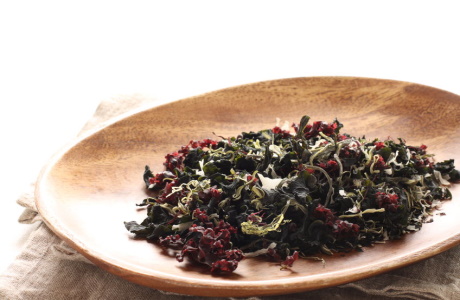
To begin with, the global bioeconomy is shifting rapidly towards sustainable ocean resources. As a matter of fact, marine biomass has become a true cornerstone for modern industries in Europe. Specifically, this includes microalgae, macroalgae, kelp, and hydrocolloid extracts such as carrageenan.
Today, coastal processing hubs operate actively across Norway, Ireland, France, and Scotland. Meanwhile, high-tech manufacturing plants thrive in Germany and the Netherlands. Consequently, European processors are pioneering new applications in human nutrition. Furthermore, they are advancing plant biostimulants, pharmaceuticals, cosmetics, and biodegradable bioplastics.
However, processing raw marine biomass presents a major engineering challenge. Indeed, raw harvested seaweed and kelp contain 70% to 85% water. Similarly, microalgae slurries often contain over 90% moisture. After harvesting, wet biomass degrades rapidly within hours due to microbial activity. Therefore, immediate and highly efficient industrial drying is absolutely essential.
Selecting the right industrial dryer is the single most critical capital decision for any processor. For one thing, processing must be rapid to stop fermentation. On the other hand, processors must preserve heat-sensitive bioactive compounds. These valuable compounds include fucoidans, laminarin, alginates, astaxanthin, phycobiliproteins, and vitamins. As a result, drying requires a precise balance of heat, airflow, and timing.
This guide explores the European landscape for marine biomass dehydration. Moreover, we provide an in-depth breakdown of six major industrial drying technologies. These include Continuous Band Dryers, Vibratory Fluidized Bed Dryers, Industrial Rotary Drum Dryers, Flash Dryers, Spray Dryers, and Heat Pump Dehumidification Systems. Read on to discover how these technologies compare. In addition, learn how GENEX Tech Industries LLP supports high-capacity processing worldwide.
The European Marine Biomass Market Overview
In the first place, Europe leads the world in high-value seaweed cultivation and processing. Additionally, regions along the North Atlantic boast rich natural habitats for wild brown kelp (Laminaria digitata, Saccharina latissima, Ascophyllum nodosum). They also harvest red seaweeds like Chondrus crispus and Palmaria palmata. At the same time, inland microalgae processing (Spirulina, Chlorella, Haematococcus pluvialis) is expanding across Southern and Central Europe inside photobioreactors.
End-to-End Marine Biomass Processing Flow
In order to achieve export-grade quality, raw harvested material moves sequentially through three structured stages:
-
Stage 1: Pre-Treatment & Dewatering (70%–90% Initial Moisture) To start with, raw biomass undergoes washing and desanding. Next, mechanical squeezing or centrifugation removes free surface water and sand prior to heating.
-
Stage 2: Thermal Dehydration Selection
-
Continuous Band Dryer: Specifically designed for whole or cut seaweed to protect delicate bioactives.
-
Vibratory Fluid Bed Dryer: Engineered for processed granules, extruded pellets, and carrageenan intermediates.
-
Rotary Drum Dryer: Built for high-volume bulk biomass, animal feed, and bio-fertilizers.
-
-
Stage 3: Powder Finishing & Packaging (8%–12% Final Moisture) Finally, dried biomass undergoes impact milling and fine pulverization. Afterward, it is screened and packed into moisture-barrier export containers.
Key Drivers for Industrial Drying Equipment in Europe
-
Strict European Quality & Safety Standards: First of all, European regulatory bodies mandate strict hygienic equipment designs. Furthermore, they enforce target moisture levels below 10% to 12% to halt water activity ($a_w < 0.60$).
-
Energy Costs & Sustainability Targets: In addition, high energy costs compel European processors to adopt sustainable technology. Consequently, plants are moving away from fossil-fired systems toward heat recovery and low-temperature heat pumps.
-
High-Yield Hydrocolloid Extraction: Furthermore, carrageenan and alginate processors require continuous feed driers. Thus, machines must maintain uniform moisture levels without damaging molecular polymer chains.
Understanding Marine Biomass Moisture Profiles
Prior to selecting a dryer, engineers must analyze the physical state and moisture profile of their feed material. In fact, marine biomass changes significantly in texture as it moves along the processing line.
Typical Moisture Ranges Across Marine Biomass Feedstocks
-
Freshly Harvested Kelp/Seaweed: 70% to 85% Initial Moisture
-
Concentrated Microalgae Slurry: 75% to 90% Initial Moisture
-
Filtered Carrageenan Gel Paste: 65% to 80% Initial Moisture
-
Dehydrated Export-Grade Biomass: 8% to 12% Target Moisture
1. Freshly Harvested Whole Macroalgae & Kelp
-
Initial Moisture: 70% to 85% wet basis.
-
Characteristics: Bulky, stringy, high surface moisture, variable piece thickness, and rich in surface mucilage.
-
Drying Requirement: Gentle surface moisture removal followed by deep tissue drying without burning high-value pigments.
2. Microalgae Slurries (Spirulina, Chlorella)
-
Initial Moisture: 75% to 90% wet basis after harvest concentration.
-
Characteristics: Viscous, shear-sensitive suspension or paste with fine cellular structures.
-
Drying Requirement: Rapid surface area dispersion to convert liquid into a soluble fine powder while preserving fragile pigments.
3. Carrageenan & Hydrocolloid Extracts
-
Initial Moisture: 65% to 80% wet basis after gel precipitation.
-
Characteristics: Highly viscous, sticky, gelatinous solids that trap water inside molecular polymer networks.
-
Drying Requirement: Staged multi-zone drying with precise thermal ramps to evaporate bound water without scorching the gel.
Core Industrial Drying Technologies Detailed
Modern marine biomass dehydration relies on six primary equipment categories. Specifically, each machine operates on distinct mechanical principles tailored to specific biomass forms.
1. Continuous Multi-Pass Band Dryers (Conveyor Belt Dryers)
Above all, Continuous Band Dryers represent the gold standard for large-scale dehydration of whole, chopped, or shredded macroalgae and kelp.
Process Movement & Airflow Configuration
-
Zone 1 (Top Conveyor Belt | 75°C – 85°C): Initially, wet feed enters through an oscillating spreader. It moves along the top belt under high-velocity hot air for rapid surface evaporation.
-
Zone 2 (Middle Conveyor Belt | 60°C – 70°C): Subsequently, the product cascades down onto the second belt. This tumbling action exposes fresh surfaces for deep moisture removal.
-
Zone 3 (Bottom Conveyor Belt | 25°C – 35°C): Ultimately, dried biomass falls onto the bottom belt for controlled cooling before discharging at 8% to 10% moisture.
Mechanical Design & Working Principle
In terms of design, a Continuous Band Dryer transports wet material through an insulated chamber on perforated stainless steel belts. An oscillating spreader creates an even product bed between 50 mm and 150 mm thick.
As the belt advances through independent heating zones, hot air forces continuously through the product bed. Multi-pass systems feature stacked belts positioned vertically inside the cabinet. Consequently, as product reaches the end of a belt, it cascades by gravity onto the lower belt traveling in the opposite direction. As a result, this tumbling action breaks up clumps gently and ensures uniform drying across the entire bed.
Key Engineering Specifications
-
Capacity Capabilities: From 100 kg/hr pilot systems up to 10 metric tons per hour (TPH) production lines.
-
Temperature Control: Multi-zone configuration allowing staggered thermal profiles.
-
Construction Grade: Heavy-duty SS304 or SS316 contact surfaces with corrosion-resistant frameworks.
-
Residence Time: Fully adjustable via variable speed drives from 30 minutes to 4 hours.
Why It Is Ideal for Marine Biomass
In particular, whole kelp fronds are thick and fibrous. Therefore, gentle belt transport prevents structural tearing or dust generation. Furthermore, multi-zone control allows operators to reduce heat as biomass dries. Thus, delicate bioactives remain completely protected.
Watch Demo: Click Here
2. Vibratory Fluidized Bed Dryers (VFBD)
By comparison, Vibratory Fluidized Bed Dryers excel at processing granular algae fractions, crushed seaweed pieces, and carrageenan precipitates.
Mechanical Design & Airflow Dynamics
To begin with, wet granular feed enters a vibrating perforated deck. Meanwhile, hot air blown from the lower chamber streams upward through deck perforations. This air suspends the particles in a fluidized state. As a result, exhaust air carries fines out through the top plenum while dry granules discharge continuously.
Working Principle
In detail, the VFBD system uses a perforated stainless steel deck suspended on heavy-duty springs. Dual eccentric motors vibrate the deck continuously. Simultaneously, heated air enters below the deck and streams upward at precise velocities.
Accordingly, this combination lifts and fluidizes the material bed. Due to this dual mechanism, particles float above the bed plate in a chaotic state. Consequently, every particle gains maximum surface exposure to hot air without clumping or burning.
Key Engineering Specifications
-
Fluidization Efficiency: Reduces thermal boundary layers around particles. As a result, it accelerates drying rates by 30% to 50%.
-
Air Velocity Regulation: Variable speed blowers maintain air velocity between 0.8 m/s and 2.5 m/s.
-
Thermal Performance: Highly efficient energy utilization with specific heat consumption as low as 3,000 kJ to 3,600 kJ per kg of evaporated water.
-
Cleanability: Self-cleaning decks with quick-release side panels enable rapid sanitation.
Why It Is Ideal for Marine Biomass
When seaweed is pre-ground into granules or pellets, static drying beds often fail due to hot spots. Conversely, the VFBD eliminates channeling entirely. Therefore, it is ideal for granular macroalgae, algae meal, and coarse carrageenan.
3. Industrial Rotary Drum Dryers
In contrast to specialized belt systems, Industrial Rotary Drum Dryers are the workhorses for high-volume bulk processing where rugged durability is essential.
Mechanical Design & Working Principle
Fundamentally, a Rotary Drum Dryer features a heavy steel cylinder mounted at a slight downward incline (2% to 5% slope). As the drum rotates at 2 RPM to 12 RPM, internal flights scoop up wet biomass. The flights then shower the material downward through a stream of hot air.
As a result, this continuous lifting action creates a dense curtain of cascading biomass across the drum. Airflow can be engineered as co-current or counter-current. Co-current airflow introduces hot air alongside wet feed, which protects heat-sensitive biomass. Conversely, counter-current airflow introduces hot air at the discharge end to achieve ultra-low final moisture levels.
Key Engineering Specifications
-
Throughput Capacity: Scalable from 500 kg/hr to over 20 metric tons per hour.
-
Structural Material Options: Heavy carbon steel, SS304, SS316, or specialized abrasion-resistant liners.
-
Thermal Flexibility: Compatible with gas burners, oil burners, steam coils, or waste heat exchangers.
-
Flight Geometry: Custom internal flights prevent sticky marine biomass from adhering to the shell.
Why It Is Ideal for Marine Biomass
In summary, rotary drum dryers excel at processing bulk harvests of raw kelp and wild seaweeds containing sand. In addition, they are perfect for high-volume sea-vegetable meals used in animal feed and agricultural fertilizers.
4. Industrial Flash Dryers (Pneumatic Dryers)
Alternatively, Flash Dryers offer ultra-rapid, low-residence thermal moisture removal for fine powders, microalgae cakes, and dispersed fibers.
Process Sequence
-
First, wet cake or algae paste feeds directly into a high-speed mechanical disintegrator.
-
Next, shattered micro-particles meet a high-velocity hot air stream (15 to 25 m/s) inside a vertical duct.
-
Finally, rapid surface evaporation occurs within 1 to 5 seconds as particles travel upward into collection cyclones.
Mechanical Design & Working Principle
Thermodynamically, flash drying relies on instant mass transfer inside a high-velocity gas stream. Initially, wet biomass cake passes through a disintegrator that shatters the mass into fine micro-particles.
Immediately afterward, these dispersed particles enter a vertical duct conveying high-velocity hot air. Because particle sizes are extremely fine, the surface-area-to-volume ratio increases exponentially. As a result, moisture evaporates almost instantly within 1 to 5 seconds.
Key Engineering Specifications
-
Residence Time: Short duration of 1 to 5 seconds prevents heat damage to sensitive ingredients.
-
Inlet Air Temperatures: Operates at higher inlet temperatures (150°C to 250°C) because rapid evaporation keeps core particle temperatures below 50°C to 60°C.
-
Footprint Efficiency: Vertical tower design minimizes floor space requirements.
-
System Integration: Directly bridges mechanical dewatering presses with downstream powder packaging lines.
Why It Is Ideal for Marine Biomass
For these reasons, flash dryers are exceptionally suited for fine algal biomass cakes, microalgae starches, and washed carrageenan fibers.
5. Industrial Spray Dryers
Meanwhile, spray drying represents the industry benchmark for converting liquid microalgae suspensions and seaweed extracts into soluble powders.
Mechanical Design & Working Principle
In essence, a Spray Dryer transforms a liquid feed into a dry powder in a single step. First, liquid suspension (15% to 40% solids) pumps to the top of a tall drying chamber. High-speed rotary wheel atomizers or high-pressure nozzles atomize the feed.
Next, the atomizer disperses the liquid into millions of microscopic droplets (10 to 200 micrometers in diameter). Concurrently, a controlled hot air stream passes through a top air disperser surrounding the spray. Thus, moisture evaporates instantly from each droplet as it falls, producing dry spherical particles.
Key Engineering Specifications
-
Atomization Precision: Produces consistent particle size distributions with instant cold-water solubility.
-
Evaporation Capacities: Ranges from small 10 kg/hr lab units up to large 5,000 kg/hr industrial towers.
-
Sanitation Engineering: Full CIP spray ring coverage, mirror-polished internal welds ($Ra < 0.4\,\mu\text{m}$), and explosion-venting panels.
-
Thermal Management: Outlet air temperatures held strictly between 70°C and 90°C to preserve bio-nutritional profiles.
Why It Is Ideal for Marine Biomass
Specifically speaking, spray drying is the gold standard for producing high-value Spirulina and Chlorella powders. In addition, it creates premium liquid seaweed biostimulant powders and refined carrageenan extracts.
Watch Demo: Click Here
6. Heat Pump Dehumidification Dryers
Lastly, Heat Pump Dehumidification Dryers offer an ultra-gentle, energy-efficient option for drying sensitive, premium-grade seaweeds and cosmetic ingredients.
Closed-Loop Operation Cycle
-
Drying Chamber: First, warm dry air (35°C to 55°C) passes across biomass trays or belts, absorbing moisture.
-
Evaporator Coil: Next, warm moist air passes through a refrigeration evaporator coil where moisture condenses into water and drains away.
-
Compressor & Condenser Coil: Then, dry air re-heats across the condenser coil and recycles directly back to the drying chamber.
Key Engineering Specifications
-
Low Temperature Processing: Operates across a gentle temperature window of 30°C to 55°C. Thus, it preserves heat-labile molecules, raw enzymes, and natural colors.
-
Energy Efficiency: Delivers a High Coefficient of Performance (COP). Consequently, it cuts electrical power consumption by 40% to 65% compared to electric resistance heating.
-
Zero Atmospheric Emissions: Closed-loop air circulation prevents odorous compounds or dust particles from escaping into the environment.
Why It Is Ideal for Marine Biomass
Without a doubt, heat pump dryers are ideal for culinary sea vegetables, raw-food grade kelp, and cosmetic macroalgae where natural pigments and bioactive lipids must remain intact.
Equipment Selection Matrix: The Right Dryer for the Right Product
As demonstrated below, choosing the correct industrial dryer depends on raw material form, targeted capacity, and quality requirements.
| Marine Biomass Material | Primary Physical Form | Moisture Level (Inlet → Target) | Recommended Industrial Dryer | Key Operational Advantages |
| Whole Harvested Kelp (Laminaria, Saccharina) | Thick fronds, intact stipes | 80% → 10% | Continuous Multi-Pass Band Dryer | Gentle continuous processing, multi-zone heat control, no structural tearing. |
| Chopped / Shredded Seaweed (Ascophyllum, Fucus) | Coarse wet shreds | 75% → 12% | Continuous Band Dryer OR Rotary Drum Dryer | Continuous high-volume capacity, uniform air bed penetration, continuous discharge. |
| Pre-Ground Algae Granules / Pellets | Uniform granules | 60% → 8% | Vibratory Fluidized Bed Dryer | Zero particle clumping, fast mass transfer, highly energy-efficient operation. |
| Microalgae Concentrates (Spirulina, Chlorella) | Liquid slurry / suspension | 85% → 5% | Industrial Spray Dryer | Instant evaporation, excellent powder solubility, preserves natural pigment colors. |
| Microalgae Filter Cakes | Dense wet cake | 70% → 8% | Industrial Flash Dryer | Ultra-short 1–5 second heat exposure, compact footprint, high throughput. |
| Refined Carrageenan Gel / Extract | Wet gel precipitate / fiber | 70% → 10% | Multi-Zone Band Dryer OR Vibratory Fluid Bed | Controlled staged drying, prevents polymer scorching, maintains high gel strength. |
| Soluble Seaweed Extract Liquid | Aqueous solution | 75% → 6% | Industrial Spray Dryer | Yields instant-dissolving agricultural or biostimulant powders. |
| Culinary & Cosmetic Seaweeds | Intact leaf fronds | 80% → 10% | Heat Pump Dehumidification Dryer | Ultra-gentle low-temperature drying (35°C–50°C), preserves raw colors and enzymes. |
Technical Comparison of Dryer Specifications
In addition to the qualitative matrix above, the table below compares performance metrics across all six drying technologies:
| Dryer Technology | Capacity Range | Operating Temp Range | Residence Time | Thermal Efficiency |
| Continuous Band Dryer | 100 kg/hr – 10 TPH | 40°C – 120°C | 30 min – 4 hours | High (Multi-Zone) |
| Vibratory Fluid Bed | 200 kg/hr – 8 TPH | 50°C – 140°C | 5 min – 45 min | Very High |
| Rotary Drum Dryer | 500 kg/hr – 20 TPH | 100°C – 350°C | 10 min – 60 min | Moderate – High |
| Industrial Flash Dryer | 100 kg/hr – 5 TPH | 120°C – 250°C | 1 sec – 5 sec | High (Instantaneous) |
| Industrial Spray Dryer | 10 kg/hr – 5 TPH | 140°C – 220°C (Inlet) | 5 sec – 30 sec | Moderate |
| Heat Pump Dehumidifier | 50 kg/hr – 2 TPH | 30°C – 55°C | 4 hours – 24 hours | Ultra-High (COP 3.5+) |
Critical Process Variable Descriptions
-
Residence Time: On the one hand, Flash and Spray Dryers operate in seconds under higher heat. On the other hand, Band and Heat Pump Dryers take minutes to hours to drive moisture out of thick tissues at lower temperatures.
-
Thermal Efficiency: Furthermore, VFBD systems maximize heat transfer through fluidization. Meanwhile, Heat Pump Dryers achieve low costs by recycling latent heat from moisture condensation.
-
Air-Handling & Emission Filtration: Finally, Flash, Spray, and Fluid Bed Dryers feature reverse-pulse jet baghouses and cyclone separators to ensure 99.9%+ dust particle recovery.
Marine Biomass Processing: Integrated Upstream & Downstream Workflows
Beyond the dryer itself, achieving export quality requires an integrated processing sequence surrounding the main thermal system:
-
Raw Harvest Intake & Storage: First, receiving wet biomass in temperature-controlled holding bays.
-
Washing & Desanding: Next, multi-stage bubble washers agitate seaweeds gently in water baths to remove sand and salts.
-
Mechanical Dewatering & Slicing:
-
Rotary Slicers: Simultaneously, shredding long kelp fronds into 10 mm to 30 mm strips for uniform bed laying.
-
Screw & Belt Presses: Consequently, squeezing out surface water to lower moisture from 85% down to 65%–70% before heating.
-
-
Thermal Dehydration System: Afterward, the selected industrial dryer reduces moisture down to 8%–12%.
-
Fine Grinding & Pulverization: Subsequently, hammer mills grind dry flakes into 60 mesh to 200 mesh micro-powders.
-
Sifting, Packaging & Storage: Finally, gyratory sifters ensure strict particle sizing before automated filling systems pack powders into moisture-barrier containers.
Key Considerations for European Manufacturers & Processors
-
Hygienic Design & Food-Contact Certifications: Above all, compliance with EHEDG and cGMP/FDA standards using AISI 304 or AISI 316L stainless steel ($Ra < 0.4\,\mu\text{m}$) is mandatory.
-
Energy Efficiency & Carbon Footprints: In addition, incorporating multi-stage heat recovery exchangers captures exhaust heat. Thus, it cuts total plant fuel consumption by 15% to 30%.
-
Corrosion Resistance against Marine Salts: For this reason, employing stainless steel structural framing and anti-corrosion epoxy coatings prevents severe salt damage over time.
-
Advanced Automation & Industry 4.0 Integration: Furthermore, utilizing PLC/SCADA control systems provides real-time tracking of moisture, bed temperatures, and airflow dynamics.
Why Partner with GENEX Tech Industries LLP?
                     GENEX TECH INDUSTRIES LLP
         Engineering Excellence in Marine Biomass Processing
                                 │
        ┌────────────────────────┼────────────────────────┐
        ▼                        ▼                        ▼
40+ YEARS EXPERTISE     TURNKEY PLANT SUPPLY     CERTIFIED QUALITY
Decades of continuous   From washing/dewatering  ISO 9001:2015, CE &
thermal innovation.     to powder finishing.     US FDA compliance.
Engineering Leadership & Marine Biomass Expertise
With over 40 years of industrial drying expertise, GENEX Tech Industries LLP (operating globally via Food Tech Projects) is a recognized leader in industrial drying systems. Indeed, our processing equipment is engineered specifically to handle challenging materials like seaweeds, kelps, microalgae, and carrageenan hydrocolloids.
Complete Turnkey Marine Biomass Processing Lines
To this end, GENEX supplies fully integrated processing facilities engineered for maximum performance, energy efficiency, and continuous operation:
-
Raw Seaweed Washing & Desanding Systems: Automated bubbling washers and grit removal units.
-
Mechanical Dewatering & Slicing: Heavy-duty rotary cutters and dewatering presses.
-
Advanced Dehydration Machinery: Custom-built Continuous Band Dryers, Vibratory Fluidized Bed Dryers, Industrial Rotary Drum Dryers, Flash Dryers, and Spray Dryers.
-
Milling & Powder Production: High-impact hammer mills, micro-pulverizers, and gyratory sifters.
-
Automated Process Control: Integrated PLC/SCADA control panels featuring real-time moisture and temperature tracking.
Certified Quality & Global Export Reach
-
ISO 9001:2015 Certified (NABCB Accredited)
-
CE & US FDA Certified Hygienic Machinery Standards
-
Approved Vendor for demanding industrial and government projects worldwide
-
Global Installation Reach: Proven equipment installations across Europe, Asia, Africa, and the Americas.
Conclusion
In conclusion, the European marine biomass industry is entering an unprecedented era of growth. This expansion is driven by global demand for sustainable foods, plant-based hydrocolloids, organic biostimulants, and cosmetics. However, transforming freshly harvested raw kelp, algae, and carrageenan into high-value commercial products requires precise dehydration machinery.
Whether your process demands the gentle transport of a Continuous Band Dryer, the rapid fluid dynamics of a Vibratory Fluidized Bed Dryer, the rugged capacity of a Rotary Drum Dryer, or the instant powder conversion of a Spray Dryer, selecting the right technology directly determines operational profitability.
Ultimately, by partnering with engineering specialists like GENEX Tech Industries LLP, marine biomass processors gain access to advanced thermal technology, custom machinery design, and complete turnkey support built to excel in global markets.
Connect with Our Marine Biomass Engineering Specialists
Are you planning to establish a new seaweed dehydration plant, expand your microalgae processing facility, or upgrade your carrageenan drying line? Contact the engineering team at GENEX Tech Industries LLP today for technical consultations, customized drying equipment designs, capacity calculations, and factory-direct price quotations.
Company Contact Details
-
Company Name: GENEX Tech Industries LLP (Genextech Projects LLP / Food Tech Projects)
-
Head Office Address: 10C, Sir William Jones Sarani (Middleton Row), Park Street, Kolkata – 700071, West Bengal, India
-
Factory Address: Jalan Industrial Complex (Gate No. 1 / Right Lane 1), Biparnnapara, Jangalpur, Howrah – 711411, West Bengal, India (License No: 0537/HW/X/2024/24250/16)
-
Direct Phone / WhatsApp Contact: +91-97489 06968 | +91-93300 77417 | +91-87774 75596
-
Official Business Email: sales@foodtechprojects.com | mktg@foodtechprojects.com | mktg@gtidryers.com
-
Official Company Websites: www.foodtechprojects.com | www.gtidryers.com