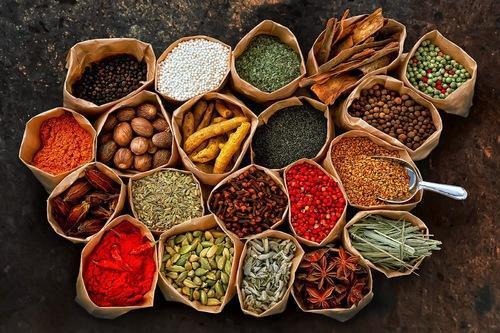
The global demand for processed spices and herbs is experiencing a massive, permanent shift. Consumers and industrial buyers no longer want standard kitchen staples. Instead, they demand high-purity, export-grade dehydrated flakes, fine powders, and bioactive oleoresins.
Whether processing the curcumin in turmeric, the gingerols in ginger, or the volatile oils in garlic, your profit margins depend on one factor: you must preserve the active ingredients, color, and aroma of these raw materials.
However, moving from raw, field-harvested crops to premium, shelf-stable, or pharmaceutical-grade products requires highly specialized thermal and mechanical engineering. Therefore, if you want to scale your production or establish a new processing facility, partnering with the right industrial manufacturer is the most critical decision you will make.
Consequently, we have put together this technical and strategic breakdown of what modern, automated processing lines require to compete on a global scale.

1. Garlic Processing: From Raw Bulbs to High-Value Flakes, Powder, and Oil
Garlic processing is notoriously challenging because the cloves are incredibly delicate. Furthermore, the primary aromatic compound, allicin, is highly volatile. Standard machinery often causes bruising during processing. Unfortunately, this bruising leads to immediate enzymatic browning and severe flavor loss.
To combat this, a commercially viable Garlic Processing Plant must cleanly handle everything from clove separation to high-purity oil extraction:
-
The Dehydration Line: First, automated machines break the bulbs, peel them with air, and slice them with precision. Next, the garlic must dry uniformly. Advanced drying systems solve this problem beautifully. They precisely reduce moisture down to 5–7% without scorching the flakes.
-
Pulverizing and Dust Management: Turning flakes into fine garlic powder requires heavy-duty pulverizers. We equip these machines with built-in cooling jackets to prevent heat damage during grinding. Additionally, automated pulse-jet dust collection systems maintain a clean, waste-free factory floor.
-
Advanced Oil Extraction: For businesses targeting the premium nutraceutical sector, integrating Steam Distillation or solvent extraction units is a game-changer. These systems allow you to capture pure garlic essential oils and oleoresins. As a result, you easily turn low-grade cloves into high-yield assets.
2. Ginger Processing: Maximizing Yield while Preserving Aromas
Ginger’s market value lies entirely in its distinct pungency and volatile oils. Therefore, manufacturers must engineer specialized Ginger Processing Machines to handle its irregular, fibrous structure while simultaneously protecting sensitive compounds like gingerols and shogaols.
-
Preparation and Slicing: Industrial processing begins with high-pressure bubble washing and mechanical peeling systems. These units remove dirt effectively while minimizing skin loss. Following this, precision slicing units ensure uniform thickness, which is an absolute prerequisite for even drying.
-
Dehydration Technology: Because ginger reacts poorly to excessive heat, modern plants utilize low-to-medium temperature drying profiles. Employing balanced airflow thermal systems ensures the ginger dries evenly from core to surface. Consequently, this prevents “case hardening,” a flaw where the outside dries out but moisture stays trapped inside.
-
Oleoresin Recovery: High-end ginger processing plants feature specialized Solvent Extraction and Recovery Units. These systems efficiently separate and concentrate active extracts, allowing you to cater directly to international food formulation and pharmaceutical buyers.
3. Turmeric Processing: Fixing Color and Retaining Curcumin
The quality of processed turmeric depends on two strict metrics: Curcumin percentage and visual color brilliance. Traditional open-sun drying takes weeks, risks severe fungal contamination, and degrades the curcumin content via UV exposure.
In contrast, an industrial Turmeric Processing Plant eliminates these variables entirely through a specialized, multi-step mechanical process:
-
Steam Boiling and Curing: Before drying, raw turmeric rhizomes must undergo controlled steam boiling. This critical step gelatinizes starches and fixes the deep yellow color uniformly throughout the root. Furthermore, it significantly reduces subsequent drying times.
-
Next-Generation Dehydration: Continuous band dryers handle high-volume bulk processing efficiently. However, advanced thin-film low-temperature drying systems represent the absolute pinnacle for premium grades. By protecting heat-sensitive curcuminoids and essential oils, they outperform traditional high-heat methods.
-
Polishing and Sifting: Dried rhizomes move through industrial polishing drums to remove the rough outer skin. Finally, specialized grinding units and automated vibro-sifters produce a vibrant, free-flowing, export-standard powder.
4. Deep Dive: Industrial Spice Drying Systems & Engineering Mechanics
The ultimate success of any spice processing facility relies heavily on its thermal efficiency. Because dehydration is the most energy-intensive phase of production, selecting the correct drying system directly dictates your daily operational costs and final product quality.
To achieve optimal results, we design our advanced Industrial Spice Drying Systems around targeted food and agricultural applications:
Continuous Mesh Belt Dryers
Our specialized Mesh Belt Dryers excel at handling large volumes of sliced ginger, garlic flakes, and herbal leaves. The core mechanics rely on a porous stainless steel mesh conveyor belt. This belt carries a uniform bed of product through several tightly sealed drying chambers. For custom configurations, you can explore our engineered GTIDryers Mesh Belt Systems.
-
Multi-Zone Thermal Control: These dryers use distinct, isolated heating zones. Operators can apply higher heat in the initial zone where moisture evaporates rapidly. Then, they reduce temperatures in later stages to safeguard product color.
-
Through-Circulation Aerodynamics: Rather than simply blowing air across the surface, our systems force hot air vertically through the product bed. This continuous up-draft and down-draft pattern completely eliminates wet spots.
Industrial Band Dryers
For high-capacity industrial facilities processing bulk tonnages, our high-efficiency FoodTech Band Dryers provide heavy-duty convective drying solutions. These systems use a continuous metal apron or rigid belt band to transport raw materials through a multi-stage thermal tunnel. You can view our full industrial range here at GTIDryers Band Dryers.
-
Staged Residence Management: Variable-speed drive systems allow total control over residence time. This control is vital for thick ginger slices or heavy turmeric roots that require slower, uniform moisture extraction.
-
Eliminating Case Hardening: By carefully balancing temperature, airflow, and humidity across single or multi-zone chambers, our band dryers ensure that internal moisture migrates smoothly to the surface. Consequently, the material never suffers from a hardened outer shell.
Refractance Window Dryers (RWD)
When processing premium botanical extracts, high-purity slurries, or heat-sensitive spice purees, our flagship Refractance Window Dryers represent the absolute cutting edge of powder engineering. This low-temperature drying technology operates on an innovative thermal transfer mechanism.
-
The Science of RWD: We spread the high-moisture product as an ultra-thin layer onto a moving, transparent, food-grade conveyor film. This film floats directly over a circulating trough of temperature-controlled hot water.
-
Refractive Heat Transfer: When the wet product hits the film, it opens a thermal “window,” allowing infrared heat energy from the water to pass directly into the product. This causes incredibly rapid moisture evaporation.
-
Maximum Ingredient Protection: As the product dries, it closes its thermal window, automatically cutting off the heat transfer. Because the actual product temperature stays low throughout the brief process, RWD achieves unparalleled retention of active curcumin, fragile vitamins, natural aromas, and brilliant visual color.
Combination & Custom Drying Setups
For unique processing needs, we also engineer advanced Combination Fluid Bed Dryers and hybrid system Combination Dryers to handle fragile materials that require gentle, uniform fluidization. You can browse our comprehensive directory of general Industrial Dryers to match your exact processing layouts.
Engineering Standards to Look For in a Manufacturer
When evaluating a machinery manufacturer for your spice processing plant, look beyond the price tag. Your line needs to run continuously, comply with strict food safety audits, and deliver a reliable return on investment. Ensure your manufacturer checks the following boxes:
-
Food-Grade Construction: The entire product-contact pathway must feature premium stainless steel (SS304 or SS316). This setup guarantees zero contamination, high corrosion resistance, and easy cleaning.
-
Automation & Process Control: Modern lines should utilize centralized PLC/SCADA control panels. Automated tracking of drying temperatures, belt speeds, and moisture levels ensures batch-to-batch consistency and significantly reduces labor overheads.
-
Scalable Capacity: Look for a manufacturer capable of tailoring lines to your specific throughput requirements—whether you are starting with a commercial pilot plant of 100 kg/hour or deploying a multi-ton industrial setup.
-
Energy Recovery Integration: Industrial drying demands significant fuel and power. To optimize your ROI, our modern drying plants feature advanced heat recovery loops. By capturing and recycling thermal energy from the exhaust air, these systems reduce overall fuel consumption by up to 20–30%.
Partner with the Industrial Experts
If you are planning to set up a state-of-the-art Garlic, Ginger, or Turmeric processing facility, build it with equipment engineered for maximum yield, energy efficiency, and strict GMP compliance.
From initial factory layout design and custom machinery fabrication to final commissioning, our engineering teams provide end-to-end processing and industrial dehydration solutions tailored to your market goals.
Get in touch with our technical sales team today to discuss your project capacity requirements, explore detailed machinery specifications, or request a commercial quote.
Contact Our Engineering & Marketing Division:
-
Email: mktg@foodtechprojects.com
-
Call/WhatsApp: +91 93300 77417
-
Official Web Portals: www.foodtechprojects.com | www.gtidryers.com