
Modern food plants need sustainable ways to handle waste. During juice making, factories leave behind a solid pulp called “pomace.” While many treat this as trash, Fruit Pomace Dehydration effectively turns these leftovers into useful, dry ingredients.
Understanding the Basics of Fruit Pomace
Fruit pomace has skins, pulp, and seeds. These parts specifically contain high levels of fiber. However, fresh pomace spoils fast because it has so much water. Therefore, drying is the most vital step to save the product.
Why Fruit Pomace Dehydration is Essential for Industry
The main goal of Fruit Pomace Dehydration is to remove water. As a result, the process stops germs from growing. This helps the product last much longer. Furthermore, dry pomace is very light. This helps firms reduce their shipping and storage costs.
Additionally, drying keeps the product healthy. When Genex Tech Industries systems dry the pulp well, you can use the powder in many ways:
-
Healthy Foods: For instance, you can add fiber to bread.
-
Supplements: Similarly, you can make health pills.
-
Animal Feed: Alternatively, you can make nutrient-rich pellets for farm animals.
Industrial Methods for Fruit Pomace Dehydration
Choosing the right machine depends on your scale. Genex Tech Industries builds special systems for these wet materials.
1. High-Capacity Rotary Drum Dryers
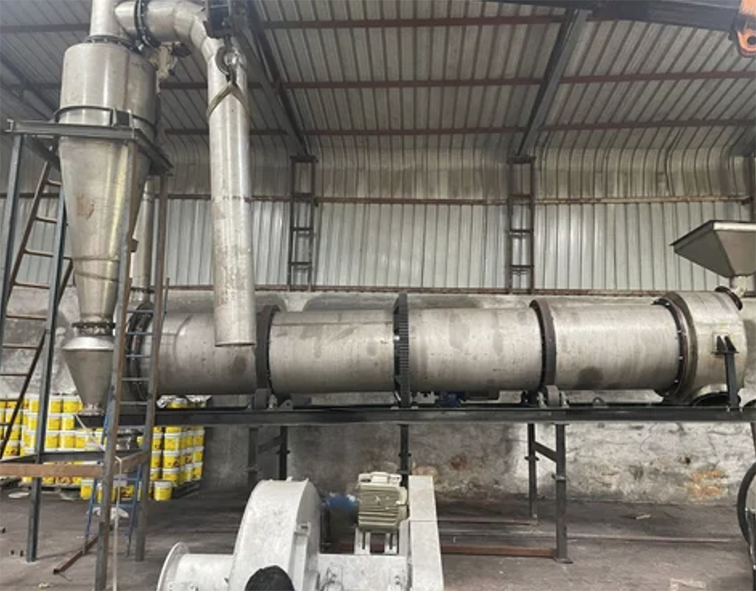
For large Fruit Pomace Dehydration jobs, the Rotary Drum Dryer is the top choice. These machines use a big spinning drum where the pulp tumbles through hot air.
-
Technical Advantage: Because the internal blades lift the pulp, it dries very fast. Consequently, this prevents sticking.
-
Specifications: Genex Tech Industries builds these with strong motors to carry heavy loads. They are great for high volumes as seen on Foodtech Projects.
2. Pneumatic Flash Dryers for Fruit Pomace Dehydration

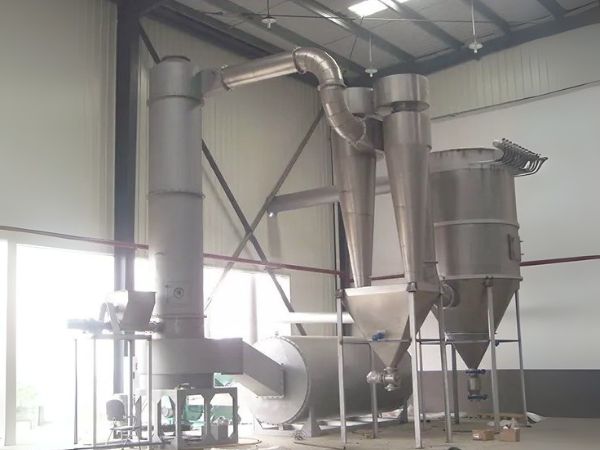
If you need a fine powder, the Flash Dryer is the best tool. It dries the pulp instantly in a fast air stream.
-
Why it works: Since the heat only hits the pulp for a few seconds, the fruit keeps its color.
-
Process Detail: As shown by Foodtech Projects, these systems work well for wet pulp.
3. Combination & Vibratory Fluid Bed Systems
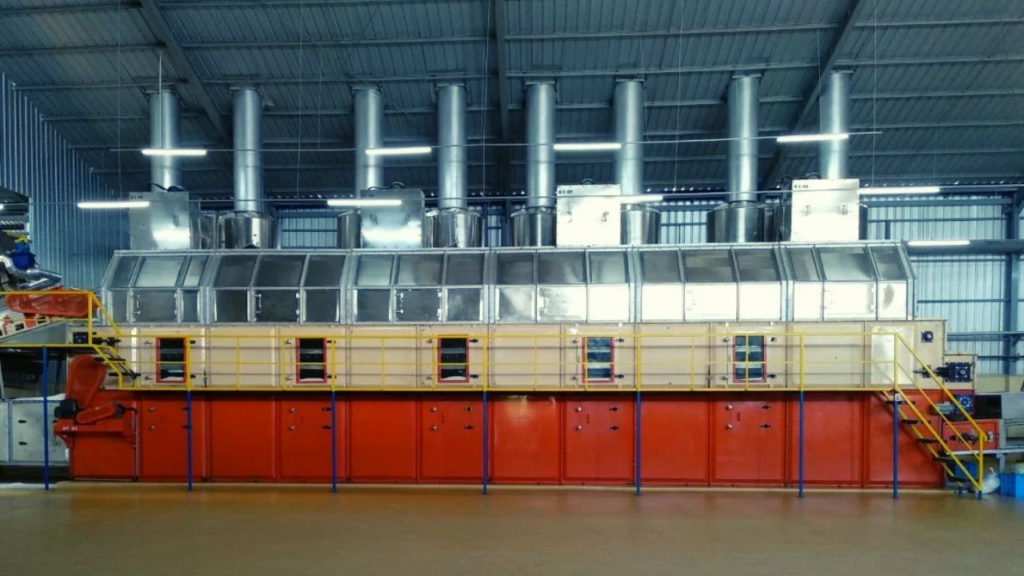
For small seeds or grains in the pulp, you need fluid bed tools.
-
Combination Fluid Bed Dryer: This system uses two types of heat. Consequently, this helps save energy. This makes the Fruit Pomace Dehydration process much cheaper.
-
Vibratory Fluidised Bed Dryer: These dryers shake the pulp to help it dry. Thus, this stops the pulp from burning and ensures a smooth moisture level.
Key Steps in the Fruit Pomace Dehydration Process
To get the best results, our team at Genex Tech Industries suggests these steps:
-
Pressing: First, squeeze the fruit to remove water.
-
Breaking: Next, crush large lumps so the Combination Dryer can heat them evenly.
-
Drying: Then, use warm air to reach a 10% water level.
-
Milling: Finally, cool the product before grinding it into a fine powder.
Conclusion
In conclusion, Fruit Pomace Dehydration helps food firms earn more and save the planet. By using a rotary system or a fluid bed dryer from Genex Tech Industries, you can turn waste into value.